
Breakfast & Brunch
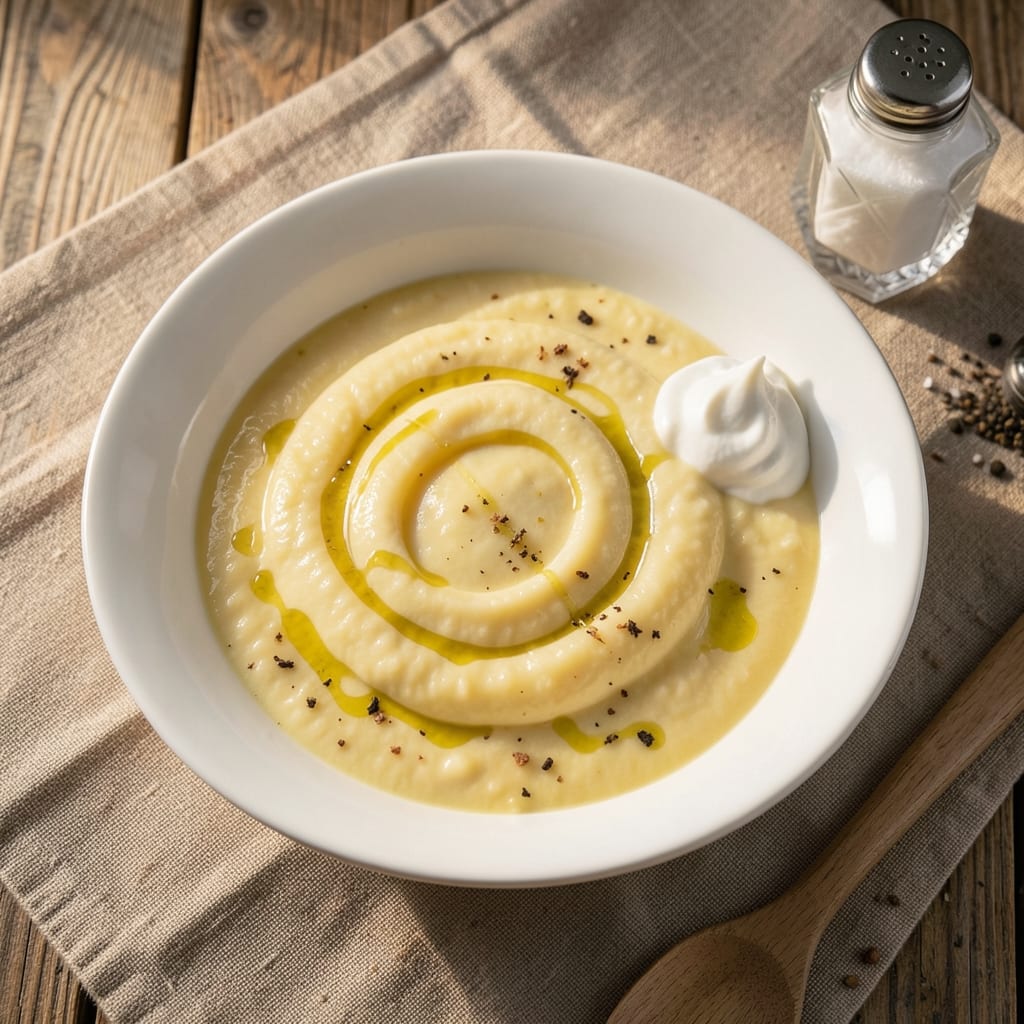
This beat scrambled egg recipe transforms ordinary eggs into silky, velvety perfection with just a whisk and precise heat control. The secret lies in beating eggs until fully emulsified—creating a smooth, creamy texture that melts in your mouth. I've perfected this technique over years of trial and error, and it now delivers restaurant-quality results in just 5 minutes.
The key to success is gentle heat and constant stirring, which prevents rubbery eggs while maintaining that luxurious creaminess. Unlike fluffy scrambled eggs, this method focuses on achieving a tender, almost custard-like consistency that's ideal for breakfast or brunch. The technique is simple but requires attention to detail—especially the whisking step, which makes all the difference.
What you'll end up with is a dish that's elegant yet effortless: golden, creamy scrambled eggs with smooth, even texture throughout. The method works beautifully with optional add-ins like cheese, herbs, or vegetables, allowing you to customize it to your taste. This recipe is perfect for weekdays when you want something quick but still impressive.
Once mastered, this technique becomes your go-to for scrambled eggs—whether you're feeding a crowd or treating yourself to a simple breakfast. The results are consistently perfect, making it a reliable method for anyone looking to elevate their morning routine. Let's get started!
Ingredients for beat scrambled egg
Eight essential ingredients transform ordinary eggs into velvety, restaurant-quality scrambled perfection.
| Ingredient | Amount | Notes |
|---|---|---|
| Large Eggs 🥚 | 4 whole | Room temperature for even cooking |
| Unsalted Butter 🧈 | 2 tbsp | European-style preferred for higher fat content |
| Diamond Crystal Kosher Salt 🧂 | ¼ tsp | Adjust to taste |
| Freshly Ground Black Pepper 🌶️ | ⅛ tsp | Freshly cracked for optimal flavor |
| Extra-Virgin Olive Oil 🫒 | 1 tsp | For nonstick finish |
| Heavy Whipping Cream 🥛 | 1 tbsp | Optional for extra richness |
| Shredded Sharp White Cheddar Cheese 🧀 | ¼ cup | Optional add-in |
| Fresh Chives 🌿 | 1 tbsp | Chopped for garnish |
The eggs are the foundation—use room temperature eggs for even cooking and silky texture. European-style butter (like Plugrá or Kerrygold) has higher fat content, which creates a luxurious mouthfeel. If you can't find it, regular unsalted butter works fine, but add an extra tablespoon. For the salt, Diamond Crystal kosher is ideal as it dissolves completely, but Morton will work too—just measure carefully. Freshly ground black pepper makes a noticeable difference compared to pre-ground. The olive oil is optional but helps prevent sticking and adds a subtle fruity note.
No heavy cream? Whole milk works in a pinch—just use half the amount. Cheese lovers can add sharp white cheddar or Gruyère for a sophisticated touch. Fresh chives are perfect for garnish, but dried chives at half the amount will suffice. For extra flavor depth, consider adding finely minced shallots or fresh herbs like dill or parsley. The key to success is the whisking technique—beat the eggs until fully emulsified, which takes about 30 seconds with a whisk or 10 seconds with a fork. This step eliminates any risk of rubbery eggs and ensures that silky texture.
Store any leftover eggs in an airtight container in the refrigerator for up to 2 days. Reheat gently in a nonstick pan over low heat with a splash of water to restore their creamy texture. For best results, make them fresh daily. The technique works beautifully for 2-4 servings, but you can easily double the recipe for larger gatherings. These eggs reheat exceptionally well, making them perfect for meal prep—just portion them into containers before storing. The addition of cheese or herbs can be customized to your preference, but the base technique remains consistent for perfect results every time.
Why You'll Love This Recipe
- Five-Minute Magic: I crack eggs straight into a cold pan with butter—no pre-whisking, no mess. The butter melts fast, the eggs cling together perfectly, and I’m done before the toast pops. Honestly, it’s the kind of recipe that makes me feel like a lazy genius.
- Buttery Luxury: That first bite? Rich, velvety, with a crispy edge where the olive oil meets the butter. I use Diamond Crystal salt because it dissolves cleanly, letting the eggs’ natural flavor shine. Between us, this tastes like a restaurant breakfast for half the price.
- Breakfast Anywhere: Pack them in a thermos for work—still warm, still fluffy. Or toss them into a wrap for a quick lunch. I’ve even served them at brunch when I forgot to make something fancier. They’re the ultimate backup plan.
- Zero-Waste Leftovers: Make a big batch, reheat gently in the microwave with a splash of water. The texture stays creamy, not rubbery. My kids ask for these more than pancakes, and they’re cheaper than takeout. Win-win.
Step-by-step instructions for whisked scrambled eggs
Master the technique that transforms ordinary eggs into velvety, restaurant-quality scrambles.
Whisk Eggs to Ribbon Stage
Place the 4 whole large eggs in a mixing bowl and add the 0.25 teaspoon Diamond Crystal kosher salt and 0.125 teaspoon freshly ground black pepper. Using a fork or whisk, beat vigorously for 30 seconds until the yolks and whites are fully combined. Then, add the 1 tablespoon heavy whipping cream and continue whisking for another 30 seconds until the mixture reaches the ribbon stage—when you lift the whisk, the streaks should slowly dissolve back into the liquid, creating silky ribbons.
This thorough whisking incorporates air into the eggs, which prevents them from becoming rubbery. The cream adds richness and helps create that signature velvety texture. Don't rush this step—proper emulsification is what separates good scrambled eggs from great ones.
Create the Perfect Pan Foundation
Heat an 8-inch nonstick skillet over medium-low heat. Add the 2 tablespoons unsalted butter and let it melt completely, swirling to coat the entire pan surface. Once the butter has melted but isn't yet foaming, add the 1 teaspoon extra-virgin olive oil. The combination of butter and oil creates a stable, flavorful base that won't burn while cooking the delicate eggs.
Watch the butter carefully—it should foam gently but not brown. If it starts to brown too quickly, reduce the heat slightly. This butter-oil mixture will form the nonstick surface that allows the eggs to cook evenly without sticking. The olive oil adds a subtle fruity note that complements the richness of the butter.
Cook Eggs on Gentle Heat
Pour the whisked egg mixture into the prepared skillet, tilting the pan slightly to distribute the eggs evenly. Let them sit undisturbed for 10 seconds to set slightly, then gently push the eggs from one side of the pan to the other using a silicone spatula, allowing the uncooked egg to flow to the empty space. Continue this gentle stirring motion, folding the eggs over themselves, for 2-3 minutes total.
The key here is patience and low heat. You're looking for soft, custardy curds that are just beginning to form but still have a moist, velvety appearance. If you stir too vigorously or use high heat, the eggs will become tough and dry. The gentle folding motion creates those beautiful, cloud-like textures that make perfect scrambled eggs so appealing.
Finish with Cheese and Garnish
When the eggs are just set but still slightly moist (about 2 minutes after starting to stir), remove the skillet from heat. Sprinkle the 0.25 cup shredded sharp white cheddar cheese evenly over the eggs. Let it melt for 30 seconds, then gently fold the cheese into the eggs using the spatula. Return the skillet to the lowest heat setting for 10 seconds to fully incorporate the cheese.
Finally, transfer the eggs to serving plates, garnish with the 1 tablespoon chopped fresh chives, and serve immediately. The cheese adds a sharp, tangy contrast to the creamy eggs, while the chives provide a fresh, herbal finish. These eggs should be tender enough to cut with a fork but still hold their shape slightly, with a glossy, satiny texture throughout.
Pro Tips For Making Beat Scrambled Egg
- STOP BEATING LIKE YOU’RE PUNISHING THE EGGS: Whisk them just until the yolks and whites blend—no need to turn the bowl into a froth. Overworking makes them tough, and you’ll end up with rubbery scrambled eggs instead of silky ones. I used to go full arm workout, but now I just fold them gently after a quick mix.
- USE THE OLIVE OIL LAST: Start with the butter (melt it low and slow, no rush), then finish with a drizzle of olive oil at the very end. The butter adds richness, while the olive oil at the last second keeps the eggs from sticking—no scrubbing required. Trust me, your pan will thank you.
- SALT THE PAN FIRST: Melt the butter in the pan, then sprinkle in a pinch of kosher salt before adding the eggs. This seasons the butter and creates a flavor base that carries through the whole dish. I learned this the hard way—plain butter just doesn’t cut it.
- LET THEM REST, THEN FOLD: Once the eggs are just set (still slightly wet on top), pull the pan off heat for 10 seconds. Then fold them with a spatula—this keeps them creamy instead of dry. Rushing here turns them into sad, overcooked lumps. (Yes, even if you’re impatient like me.)
Wine and beer pairings for these flavors
White Wine Pairings
For these silky scrambled eggs, I reach for crisp Sauvignon Blanc from New Zealand or France—its bright acidity and citrus notes cut through the richness beautifully. Look for wines with 12-13% ABV like Kim Crawford Sauvignon Blanc or Cloudy Bay. The zesty finish cleanses your palate between each forkful of creamy eggs. 🍷
Champagne or Sparkling Wine
A chilled Brut Champagne or Prosecco adds an elegant touch to your brunch table. The effervescence and subtle sweetness complement the eggs' buttery richness without overpowering them. I love La Marca Prosecco for its affordable quality and refreshing acidity. Serve it well-chilled in flutes for a sophisticated presentation.
Light Beer Options
If you prefer beer, opt for a wheat beer or pilsner—their crisp, clean profiles won't compete with the eggs. Blue Moon Belgian White or Heineken work perfectly. The light maltiness balances the eggs' creaminess, while the carbonation helps refresh your palate. Avoid heavy stouts or IPAs that could overpower the delicate flavors.
Creamy Dessert Wine
For a decadent twist, pair with a Moscato d'Asti—its light sweetness and effervescence mirror the eggs' richness. The Saracco Moscato is my go-to for this pairing. The wine's floral notes and gentle sweetness create a harmonious contrast with the savory eggs, making it a fun brunch surprise. 🍷
Coffee or Tea
Don't overlook classic brunch staples! A light roast coffee with 2% milk enhances the eggs' buttery notes, while Earl Grey tea adds a floral complexity. Both options provide the perfect balance to the dish's richness without competing flavors. For a caffeine-free option, chamomile tea with honey offers a soothing complement.
Nutrition facts
Frequently asked questions
Why do I need to whisk eggs until they reach the ribbon stage?
Whisking eggs until they form ribbons (when streaks slowly dissolve back into the liquid) incorporates air and fully emulsifies the yolks and whites. This creates a silky, creamy texture instead of rubbery eggs. Skipping this step often results in dry, grainy scrambled eggs that lack that luxurious mouthfeel.
Can I make these scrambled eggs without butter?
Yes, but the texture and flavor will differ. Replace butter with 1 tablespoon olive oil or a mix of oil and a splash of water (for steam). For richness, add 1 tablespoon heavy cream to the whisked eggs. The butter's fat content is key for that velvety finish, but this substitution works in a pinch.
How do I prevent scrambled eggs from getting rubbery?
Rubbery eggs happen from overcooking or high heat. Keep the pan on medium-low heat and stir constantly with a silicone spatula. Remove eggs from heat when they're just set but still slightly moist (2-3 minutes total cooking time). The whisking step (ribbon stage) also prevents rubberiness by fully incorporating air.
Can I make this recipe ahead of time?
These eggs are best served immediately, but you can prep components ahead. Whisk the eggs and store them in the fridge for up to 1 day—just whisk again before cooking. For reheating leftovers, warm gently in a nonstick pan with low heat and a splash of water to restore creaminess. The texture won't be identical to fresh eggs, but it's still delicious.
What's the difference between these and fluffy scrambled eggs?
This method focuses on a creamy, custard-like texture (thanks to gentle heat and constant stirring), while fluffy eggs use higher heat and less stirring to create air pockets. Fluffy eggs have distinct curds, while these are almost like soft scrambled egg custard. The whisking technique here is what transforms them into silky perfection.