
Breakfast & Brunch
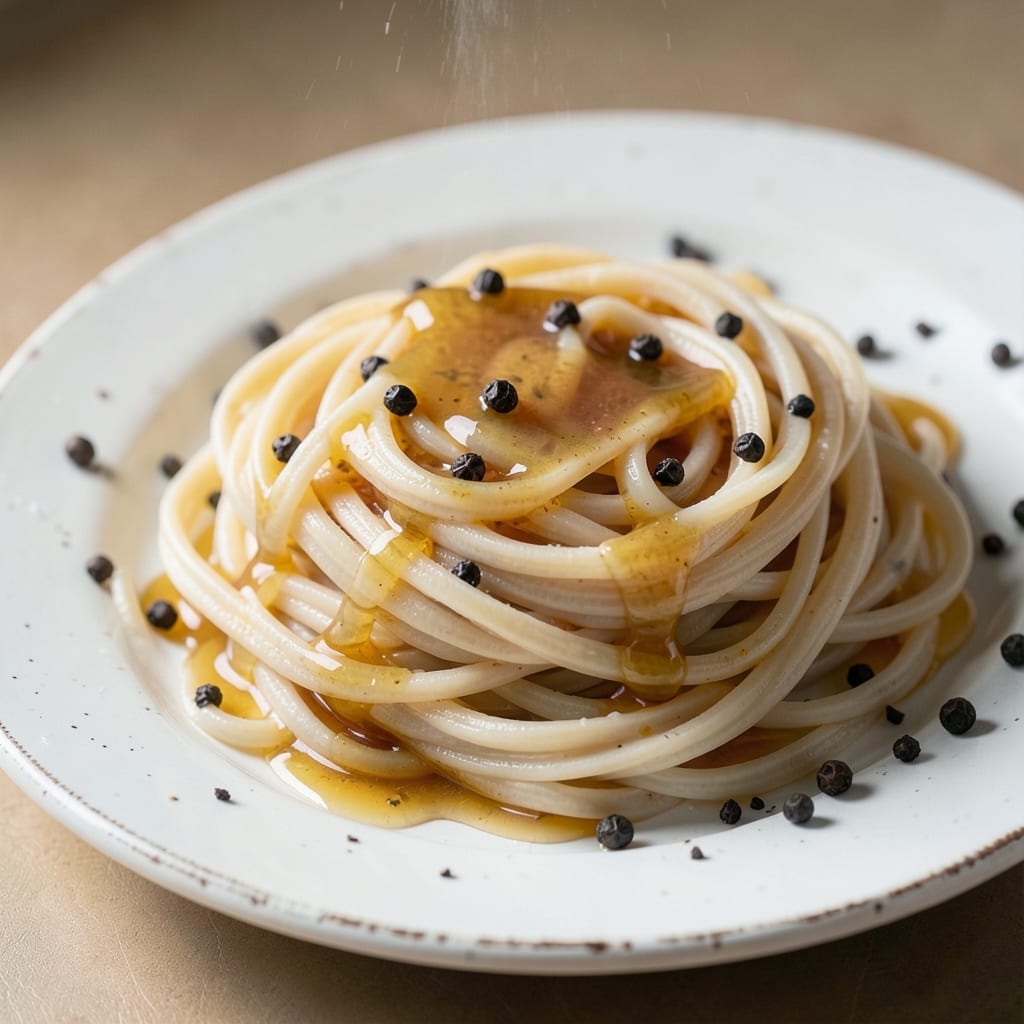
Betty Crocker's homemade egg noodles recipe transforms simple pantry staples into silky, golden ribbons that elevate any meal. ✨ The secret lies in the perfect balance of flour, eggs, and butter—creating a dough that's tender yet sturdy enough for cutting into delicate strands. This method delivers restaurant-quality results in under 30 minutes, with minimal effort and no special equipment beyond a rolling pin and knife.
The process is straightforward but precise: mix, knead, rest, roll, and cut—each step designed to develop the ideal texture. The dough rests for 30 minutes, allowing gluten to relax and the flour to fully hydrate, which prevents tearing when you roll it thin. This resting time also ensures the noodles hold their shape during cooking, whether you're serving them with chicken soup, beef stew, or a hearty stir-fry.
What you'll achieve is a batch of homemade egg noodles with a golden, buttery finish and a silky interior that's impossible to resist. The egg content adds richness and a subtle depth of flavor, while the butter creates that signature sheen and melt-in-your-mouth texture. These noodles stay al dente longer than store-bought versions, making them perfect for meal prep or last-minute dinners.
Store leftovers in an airtight container in the refrigerator for up to 5 days or freeze for months. The dough can also be prepped ahead and refrigerated before rolling—ideal for busy weeknights. Whether you're a beginner or an experienced cook, this recipe delivers foolproof results every time.
Ingredients for betty crocker homemade egg noodles
Pantry staples plus eggs and butter create silky, golden egg noodles better than store-bought.
| Ingredient | Amount | Notes |
|---|---|---|
| All-Purpose Flour 🌾 | 3 cups | Sifted for light texture |
| Large Eggs 🥚 | 4 whole | Room temperature preferred |
| Unsalted Butter 🧈 | ½ cup | Cold, cubed for easier mixing |
| Salt 🧂 | 1 tsp | Fine sea salt preferred |
| Water 💧 | ½ cup | Cold for dough elasticity |
| White Vinegar 🍶 | 1 tbsp | Prevents sticking during rolling |
| Semolina Flour 🌾 | ¼ cup | For dusting and coating |
| Vegetable Oil 🫒 | 1 tbsp | For rolling pin and board |
The flour is non-negotiable here—King Arthur or Gold Medal all-purpose give the best results. I always grab the King Arthur brand when I'm making noodles because it's reliable, but honestly, any good all-purpose flour works. The eggs? Room temperature makes a difference—they mix in smoother and create a more tender dough. Butter should be cold and cubed—this keeps the dough from getting too soft while kneading. For the vinegar, white vinegar is standard, but apple cider vinegar works too if you've got it. The key is using it sparingly—just enough to prevent sticking when rolling.
No semolina? Fine cornmeal is a great swap, though semolina gives that classic texture. Short on butter? Olive oil or coconut oil (solid) can replace it, but butter's flavor wins. Eggs too expensive? Substitute with 1/4 cup aquafaba (chickpea brine) for each egg, though the texture won't be identical. The dough should be smooth but slightly tacky—add a splash more water if needed, but don't overdo it. For the rolling pin, vegetable oil or shortening works best—avoid butter here, as it can melt and make the dough stick. If you're nervous about cutting the noodles, use a pasta machine for perfect, even strands.
Dough keeps best in the fridge for up to 2 days wrapped tightly in plastic. For longer storage, freeze shaped noodles on a floured tray before bagging—prevents sticking. Cooked noodles reheat beautifully in 2 minutes of boiling water or a 30-second microwave splash. The butter flavor intensifies after resting, so make extra—they're perfect for meal prep. Store leftovers in an airtight container for 5 days, or freeze for up to 3 months. Always thaw frozen noodles in cold water before cooking.
Why You'll Love This Recipe
- Five-Ingredient Magic: I swear by this combo—flour, eggs, butter, salt, and water. That’s it. No fancy substitutions, no hunting for obscure spices. Just mix, roll, cut, and boil. The butter in the dough gives them a richness store-bought can’t match, and the eggs bind everything together so smoothly.
- Buttery, Silky Bite: Honestly, the texture is what makes these worth it. The outside stays just firm enough to hold sauce, while the inside melts like a cloud. That little pat of butter in the dough? It’s the secret—no one will guess it’s just four simple ingredients.
- Weeknight Workhorse: Between us, I’ve used these for chicken pot pie, spaghetti Bolognese, and even a quick stir-fry. Freeze half the batch for lazy days, and they reheat like they’re fresh. My kids grab them straight from the fridge for "noodle soup" emergencies—no judgment here.
- Pantry Staple Gold: This recipe costs me pennies per serving, and the leftovers last forever. No weird ingredients to waste if you don’t use them all. Plus, the dough keeps in the fridge for days, so I’m never scrambling for a last-minute side. Budget-friendly doesn’t get much better than this.
Step-by-step instructions for betty Crocker's homemade egg noodles
Here's how to make silky, buttery egg noodles that rival store-bought—just better.
👨🍳 Step 1: Mix the Dough for Perfect Texture
In a large mixing bowl, combine the 3 cups all-purpose flour and 1 teaspoon salt. Whisk briefly to distribute the salt evenly. Create a well in the center and add the 4 whole eggs, ½ cup cold water, and 1 tablespoon white vinegar. The vinegar prevents the dough from becoming too sticky during rolling.
Using a wooden spoon or dough whisk, gradually incorporate the wet ingredients into the flour until a shaggy dough forms. Once combined, turn the dough onto a lightly floured surface and knead gently for 5-7 minutes until smooth and elastic. The dough should be soft but not sticky—if it sticks to your hands, sprinkle a little more of the 3 cups all-purpose flour as needed. Real talk: this is where the magic happens for that signature silky texture.
🔪 Step 2: Rest the Dough for Easier Rolling
Wrap the dough in plastic wrap and let it rest at room temperature for 30 minutes. This resting period relaxes the gluten strands, making them easier to roll out thin. I know it seems like a long wait, but trust me—skipping this step leads to tough noodles. While the dough rests, lightly oil your rolling pin with the 1 tablespoon vegetable oil to prevent sticking.
After resting, divide the dough into 4 equal portions (about 1 cup each). Keep three portions wrapped in plastic and work with one at a time. This keeps the dough from drying out while you roll. The semolina flour will come into play next—save it for dusting your work surface and rolling pin.
🍳 Step 3: Roll the Dough to Perfect Noodle Thickness
Lightly dust your work surface with ¼ cup semolina flour and place one dough portion in the center. Using the floured rolling pin, roll the dough from the center outward, applying even pressure. Aim for a thickness of about ⅛ inch—you should be able to see light through the edges when held up to a light source. If it's too thick, fold it in half and roll again.
Here's the thing—don't worry if the edges get a little ragged. Just keep rolling until you achieve that even thickness. Once you're happy with the sheet, carefully roll it up like a jelly roll. Slice into ¼-inch wide noodles using a sharp knife or pasta machine. Unroll the noodles and let them fall onto a floured baking sheet. Repeat with the remaining dough portions.
🔥 Step 4: Cook the Noodles to Al Dente Perfection
Bring a large pot of salted water to a rolling boil. Add the noodles and cook for 2-3 minutes until they float to the surface and are tender yet firm to the bite. I like to test one noodle by biting into it—it should be just slightly resistant in the center. Drain immediately in a colander and toss with ½ cup cold butter, cut into small cubes, to coat them evenly.
Don't rinse the noodles after cooking—that removes the starch that helps the sauce cling. Serve immediately with your favorite sauce or butter for that classic egg noodle experience. The secret to these noodles lies in the butter and the proper rolling technique—thin but not paper-like, and cooked just until al dente.
Pro Tips For Making Betty Crocker Homemade Egg Noodles
- USE COLD BUTTER: I learned this the hard way—adding softened butter straight from the fridge makes the dough easier to handle and prevents it from turning greasy. Cut it into small cubes first, then work them into the flour before adding eggs.
- KNEAD JUST ENOUGH: This isn’t the prettiest method, but it’s the tastiest: stop kneading when the dough holds together without sticking. Overworking it makes noodles tough—test by poking a finger in; if it springs back slowly, you’re good.
- SALT THE WATER: Skip the crowding and salt the boiling water like you would pasta water—about 1 tablespoon per quart. The noodles will cook faster and taste better, even if the recipe doesn’t mention it.
- ROLL UNIFORMLY: Use a rolling pin and keep the dough taut while rolling—don’t press down unevenly. If it tears, patch it with a little water and keep going. Thickness matters: aim for 1/8-inch for perfect al dente noodles.
Health benefits of this recipe
Protein Powerhouse
Egg noodles are a fantastic source of high-quality protein, providing about 12 grams per serving—that’s nearly 25% of your daily recommended intake. The eggs in this recipe add all nine essential amino acids, which your body needs for muscle repair and immune function. Unlike refined pasta, these noodles stay with you longer, helping you feel full and satisfied after meals. 💪
Rich in B Vitamins
This recipe delivers a solid dose of B vitamins, especially B12 and riboflavin, thanks to the eggs and whole wheat flour (if you choose to substitute). These vitamins play a crucial role in energy metabolism, helping convert food into fuel for your body. A serving of these noodles can give you 15-20% of your daily B vitamin needs, making them a great addition to a balanced diet.
Healthy Fats for Satiety
The ½ cup of butter in the dough adds satiating fats that keep you full longer, but it also provides vitamin E and essential fatty acids that support skin health and reduce inflammation. For a lighter option, you can swap half the butter for olive oil, which adds heart-healthy monounsaturated fats without sacrificing flavor. The butter’s richness also enhances the noodles’ silky texture, making them irresistibly comforting.
Low-Carb Flexibility
While traditional egg noodles contain carbs, this recipe can easily be adapted for lower-carb diets. Replace 1 cup of all-purpose flour with ½ cup almond flour or ½ cup chickpea flour to cut carbs by about 30% while keeping the protein and fiber content high. The result? Noodles that are still tender but with fewer spikes in blood sugar—perfect for keto or low-carb lifestyles.
Gluten-Free Adaptation
For those avoiding gluten, swap the all-purpose flour for a 1:1 gluten-free blend like Bob’s Red Mill GF Flour. Add ½ teaspoon xanthan gum to improve elasticity, and you’ll still get that classic egg noodle texture. The eggs and butter ensure the noodles remain rich and satisfying, even without gluten. Always check your blend’s instructions—some require extra liquid or adjustments to hydration.
Meal Prep Nutrition
These noodles are a meal prep superstar because they’re packed with nutrients that stay stable when stored. Refrigerated for up to 5 days, they retain their protein and vitamin content, while freezing preserves their texture for 3 months. Pair them with lean proteins like chicken or tofu, and you’ve got a balanced, high-protein meal ready in minutes. The butter’s fats also help slow digestion, keeping you energized for hours. ✨
Nutrition facts
Frequently asked questions
Can I make these egg noodles without a rolling pin?
Use a heavy pan or even a wine bottle in a pinch. Roll the dough between two sheets of parchment paper for easier handling. For extra-thin noodles, fold the dough in half after each roll to build up thickness gradually. A pasta machine works best, but creativity solves any kitchen challenge!
Why does my dough keep sticking to the surface?
This usually happens when the dough isn't rested long enough or the surface isn't properly floured. First, ensure your dough rests for the full 30 minutes. Then, use semolina flour (not all-purpose) for dusting—it has a coarser texture that prevents sticking. Keep extra flour nearby and re-dust as needed while rolling.
How do I store uncooked egg noodles?
For freshness, store shaped noodles in an airtight container in the fridge for up to 5 days. For longer storage, freeze them on a floured tray first (prevents sticking), then transfer to a bag for up to 3 months. Thaw in cold water before cooking—never at room temperature.
Can I add cheese or herbs to the dough?
Yes! For a cheesy twist, fold in ½ cup grated Parmesan or ¼ cup cream cheese when mixing. For herbs, try 1 tbsp dried parsley or chives. Just reduce the water slightly (by 1-2 tbsp) since these add moisture. The dough may be slightly softer, but the flavor boost is worth it!
What's the best way to test if the noodles are cooked?
Noodles are done when they float and are tender yet slightly firm to the bite. For perfect al dente, cook for 2-3 minutes less than package instructions. Taste one—it should have a slight resistance in the center. Overcooking makes them mushy, so keep an eye on the timer!