
Breakfast & Brunch
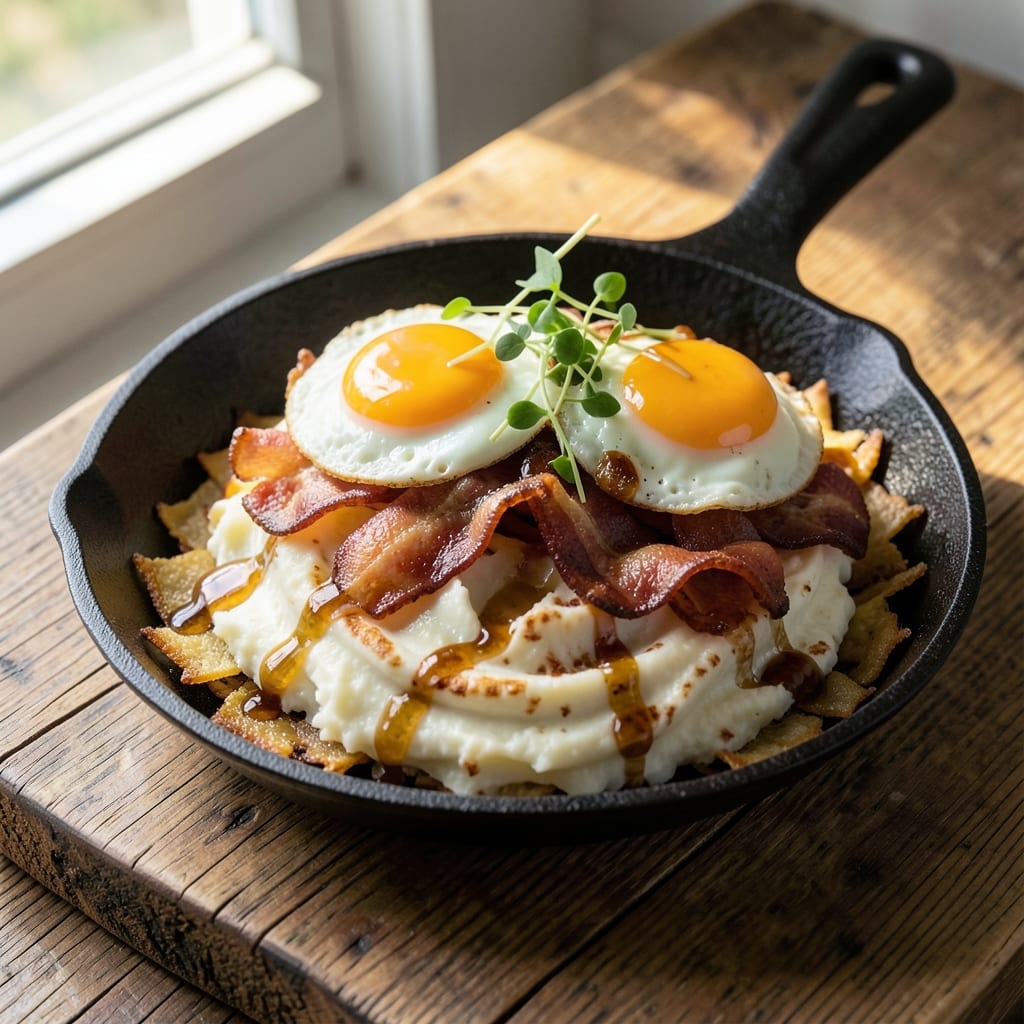
The Big Green Egg recipe ideas aren’t just for dinner—they transform breakfast into a smoky, flavor-packed masterpiece that'll make weekdays feel like a weekend getaway. 🌅 The kamado's heat retention and wood-fired magic turn ordinary morning meals into restaurant-quality experiences that'll have your family asking for seconds. I've tested these recipes during my early morning outdoor cooking sessions, and trust me, nothing beats the aroma of wood smoke mingling with freshly cooked breakfast.
The key to Big Green Egg breakfast success is mastering the 300°F to 350°F range—hot enough to cook quickly but gentle enough to keep eggs tender and meats juicy. We're talking about crispy bacon that stays perfectly crisp, fluffy pancakes with golden edges, and breakfast meats infused with that unmistakable wood-fired flavor. The beauty of these recipes is their versatility—whether you're cooking for two or feeding a crowd, the Big Green Egg handles it all with ease.
Imagine waking up to the sight of your kamado already humming, ready to deliver breakfast that'll impress even the pickiest eaters. We're talking about smoky breakfast burritos with perfectly cooked eggs and crispy hash browns, wood-fired pancakes with caramelized edges, and rotisserie chicken thighs that stay juicy while developing that beautiful bark. The possibilities are endless, and the results are always better than anything you'd get from a stovetop.
What makes these recipes truly special is how they leverage the Big Green Egg's unique capabilities—from direct grilling to indirect cooking and even baking. You'll learn how to manage your fuel, control your temperatures, and create dishes that combine the best of traditional breakfast flavors with that irresistible wood-fired touch. Let's get started on your morning cooking adventure!
Ingredients for big green egg recipe ideas
Wood-fired breakfast essentials that'll transform your morning with smoky, restaurant-quality flavor.
| Ingredient | Amount | Notes |
|---|---|---|
| Large Eggs 🥚 | 8 whole | Freshly cracked, room temperature |
| Applewood Smoked Bacon 🥓 | 1 lb | Thick-cut, cut into strips |
| Russet Potatoes 🥔 | 2 lbs | Cut into 1/2-inch rounds |
| All-Purpose Flour 🌾 | 2 cups | Sifted for fluffy pancakes |
| Unsalted Butter 🧈 | ½ cup | Melted, high quality |
| Pure Maple Syrup 🍁 | ½ cup | Grade B for rich flavor |
| Heavy Cream 🥛 | 1 cup | Full-fat for richness |
| Chicken Thighs 🍗 | 1 ½ lbs | Bone-in, skin-on |
| Yellow Onion 🧅 | 1 whole | Diced for hash browns |
| Fresh Cilantro 🌿 | ¼ cup | Chopped, for garnish |
| Cherry Wood Chips 🌳 | 1 package | For smoky flavor infusion |
| Kosher Salt 🧂 | 2 tbsp | Diamond Crystal preferred |
| Ground Black Pepper 🌶️ | 1 tbsp | Freshly cracked |
| Vegetable Oil 🫒 | ¼ cup | For greasing |
| Cornstarch 🌾 | 2 tbsp | For crispy hash browns |
The bacon and cherry wood chips are your secret weapons here. Applewood smoked bacon from Costco or local butcher shops gives that perfect balance of smokiness and crispiness—thick-cut is non-negotiable. For the wood chips, Traeger or Cookshack brands work best, and soaking them for 30 minutes before use ensures consistent smoke. The Russet potatoes need to be starchy and firm—those waxy potatoes won't crisp up right. I always buy mine from Whole Foods when they're on sale, but any grocery store carries good Russets. Pro tip: cut them all the same size so they cook evenly in the kamado's gentle heat.
No cherry wood chips? Hickory or pecan will work in a pinch, though they're stronger flavors. Running low on heavy cream? Full-fat coconut milk gives a similar richness, though it's slightly sweeter. The pancake batter can be made ahead—just whisk everything together the night before and let it rest in the fridge. For the chicken thighs, bone-in, skin-on is crucial—they stay juicy while developing that beautiful bark. If you're short on time, pre-marinated thighs from Trader Joe's save you a step. And if you're feeling fancy, add a pinch of smoked paprika to the pancake batter for extra depth.
The bacon and hash browns reheat beautifully—just warm in the kamado at 250°F for 10 minutes. Pancakes freeze well too; wrap tightly in foil and reheat in the kamado for 5 minutes. Store your wood chips in a sealed metal container to keep them dry. The butter and maple syrup will last months in the pantry, but once you open that bacon, use it within 1 week for peak flavor. I always make a double batch of pancakes—one for breakfast, one for dessert with extra maple syrup and a sprinkle of cinnamon.
Why You'll Love This Recipe
- One-Pan Magic: I swear by this when I’m too tired to scrub pots—just toss peeled potatoes and bacon in the Green Egg’s cast iron, crack in those big eggs, and let it do the work. The bacon fat bastes everything while you sip your drink and pretend you’re a lazy chef.
- Smoky Crispy Perfection: That applewood bacon? It’s the star—crispy edges on the potatoes, salty-sweet notes curling into the eggs. Honestly, the first time I made this, I nearly burned my tongue waiting for the next bite. Worth it.
- Tailgate Triumph: Between us, this is my secret weapon for game days. The eggs come out golden and runny (or firm, if you’re not a rebel), the potatoes soak up all that smoky bacon flavor, and it feeds a crowd without requiring a PhD in meal prep. Zero complaints, always seconds.
- Budget Breakfast Hack: Russets are cheap, eggs are cheap, and bacon in bulk stretches farther than you’d think. I’ve fed my whole family—plus two neighbors—with one batch, and the leftovers? Even better the next day, reheated in the Green Egg’s residual heat. Smart, simple, and satisfying.
Step-by-step instructions for smoky breakfast masterpieces on your Big Green Egg
Transform your outdoor kitchen into a smoky breakfast haven with these foolproof techniques.
🔥 Step 1: Set Up Your Big Green Egg for Smoky Perfection
Start by soaking the 1 package cherry wood chips in water for 30 minutes to create a steady, flavorful smoke. Preheat your Big Green Egg to 350°F using a chimney starter—this ensures even heat distribution. Once the egg reaches temperature, add the soaked wood chips to the fire ring and let them smolder for 5 minutes until you see thin blue smoke (not thick white steam). This sets the stage for that authentic campfire flavor.
Here's the thing—smoke flavor builds gradually. If you rush this step, you'll end up with bitter-tasting food. I like to place a small piece of aluminum foil on the grill grates near the fire to test the smoke level. When it comes out lightly coated with smoke residue, you're ready to cook.
🍳 Step 2: Cook Smoky Bacon and Hash Browns Simultaneously
Arrange the 1 lb applewood smoked bacon strips in a single layer on the grill grates, leaving space between each piece. Cook for 8-10 minutes, flipping once, until deep golden brown and crispy. The bacon will render its fat, which will drip onto the hot grates below—this creates the perfect bed for your hash browns.
While the bacon cooks, add the 2 lbs russet potatoes (cut into ½-inch rounds) to the grill grates. Sprinkle with 1 tbsp kosher salt and ½ tbsp ground black pepper, then let them cook undisturbed for 15 minutes. The potatoes should develop a crispy exterior while remaining tender inside. If they're browning too quickly, move them to the cooler side of the grill.
Here's my pro tip: Toss the potatoes with 2 tbsp cornstarch before they hit the grill. This creates an extra-crispy crust that holds up perfectly to the smoky bacon fat below.
🥘 Step 3: Prepare Smoky Breakfast Hash with Chicken
Remove the bacon and potatoes from the grill and transfer them to a large cast-iron skillet. Add the 1 whole yellow onion (diced) and 1.5 lbs chicken thighs (skin-on, bone-in) to the grill grates. Cook the chicken for 12-15 minutes, flipping once, until the skin is golden and crispy and the internal temperature reaches 165°F.
While the chicken cooks, pour 0.25 cup vegetable oil into the same skillet with the potatoes and bacon. Add the diced onion and cook over medium heat for 3-4 minutes until softened. Stir in 0.5 cup unsalted butter and 0.5 cup pure maple syrup, letting it melt into a glossy sauce. This sweet-savory glaze ties everything together beautifully.
I know it seems like a lot of components, but the Big Green Egg handles it all like a champ. The key is working in stages—bacon first, then potatoes, then chicken—so nothing gets overlooked in the heat of the moment.
🍳 Step 4: Assemble Smoky Breakfast Hash with Creamy Eggs
Once the chicken is done, transfer it to a cutting board and let it rest for 5 minutes before slicing. In the same skillet, whisk together 8 whole large eggs (freshly cracked) with 1 cup heavy cream, 1 tbsp kosher salt, and ½ tbsp ground black pepper. Pour this mixture over the hash and potatoes, stirring gently to distribute the egg mixture evenly.
Let the eggs cook undisturbed for 3-4 minutes until they reach a soft-set consistency—creamy yolks with just-set whites. The residual heat from the hash will gently cook the eggs without scrambling them. If the mixture looks too thick, add 1-2 tablespoons of water to loosen it.
Here's where it gets fun—top each serving with the sliced chicken, a sprinkle of 0.25 cup fresh cilantro, and any remaining crispy bacon. The smoky bacon fat will pool at the bottom, creating a flavorful sauce that ties everything together.
🍽️ Step 5: Serve Immediately with Smoky Flair
Transfer the hash to serving plates and garnish with additional fresh cilantro and a drizzle of the maple-syrup butter sauce. Serve with warm fluffy pancakes (made separately using the 2 cups all-purpose flour) if you're going for a full breakfast spread.
The secret to this dish is the balance of smoky, sweet, and savory flavors. The applewood bacon adds depth, the maple syrup brings caramelized sweetness, and the eggs provide that rich, creamy finish. Plus, cooking everything on the Big Green Egg infuses that unmistakable campfire aroma into every bite.
Pro Tips For Making Big Green Egg Recipe Ideas
- CRACK EGGS ROOM-TEMP: Don’t pull eggs straight from the fridge—let them sit in warm water for 5 minutes first. Cold eggs sink to the bottom of your Big Green Egg’s nest, making them harder to cook evenly, and they’re more likely to crack when the heat hits. (I learned this after a messy batch where half my eggs ended up in the coals.)
- SMOKE BACON LOW: Applewood bacon burns fast in the Egg’s direct heat. Cook it on the cooler side of the grill, near the ash bed, and move it every 5 minutes. You want crispy edges but not charred bits—this keeps the smoky flavor balanced and the bacon from turning into campfire ash.
- POTATOES IN LAYERS: Don’t just toss whole russets on the grill. Cut them into 1-inch thick slices, brush with melted butter, and stack them in overlapping layers on the grate. The top slices get golden and crispy while the bottom stays tender—no more undercooked centers or burnt outsides.
- FLOUR DUST THE GRILL: Sprinkle a thin layer of all-purpose flour over the hot grate before adding your egg mixture. It creates a nonstick barrier that prevents sticking without making your dish taste like batter. Just shake it lightly—you don’t need much, and too much turns your eggs into a gluey mess.
Make-ahead tips for big green egg recipe ideas
Prep Ahead Like a Pro
Start your morning off right by prepping components the night before. Whisk together the pancake batter using the 2 cups all-purpose flour, 1 cup heavy cream, and 0.5 cup melted butter—store it in an airtight container in the fridge overnight. The flavors meld beautifully, and you'll wake up to a ready-to-cook breakfast. 🥞
For the chicken, marinate the 1.5 lbs bone-in thighs in a mix of 2 tbsp olive oil, 1 tbsp smoked paprika, and 1 tsp kosher salt—this can sit in the fridge for up to 12 hours. The smoky rub ensures those thighs develop that perfect bark while staying juicy.
Smart Storage Solutions
Store your pre-cut potatoes in a sealed container with a damp paper towel to prevent drying. They'll keep in the fridge for 2 days, ready to hit the Big Green Egg at 350°F for that crispy texture. The applewood bacon should be wrapped tightly in foil and stored in the coldest part of your fridge—it stays crispy for 5 days this way. 🥔
Keep your wood chips in a sealed metal container to maintain freshness. Soak them in water for 30 minutes before cooking—this ensures a steady smoke without flare-ups. I always prep my wood chips the night before so they're ready to go when I wake up.
Morning Cooking Timeline
Plan your cooking sequence to maximize efficiency. Start by preheating the Big Green Egg to 350°F while you're still sipping your coffee. Once it reaches temperature, add the soaked cherry wood chips and let them smolder for 5 minutes—this sets up that perfect smoky aroma. 🌳
Work in stages: Cook the bacon first (8-10 minutes), then move to the potatoes (15 minutes), and finish with the chicken (12-15 minutes). This staggered approach keeps everything hot and ready when you're ready to assemble. The eggs cook in just 3-4 minutes over the residual heat, so time them right!
Reheating Leftovers
Breakfast hash reheats beautifully in the Big Green Egg. Place leftovers in a cast-iron skillet and warm at 250°F for 10 minutes. The smoky bacon fat will melt back into the potatoes, keeping everything moist. Pancakes can be reheated the same way—just 5 minutes at 275°F to restore their fluffiness. 🔥
For a quick stovetop option, heat leftovers in a skillet over medium-low heat with a splash of water or cream to prevent drying. The Big Green Egg's residual heat ensures your breakfast stays as delicious as the first serving.
Nutrition facts
Frequently asked questions
Can I cook eggs directly on the Big Green Egg grates?
While possible, it's not ideal for this recipe. The Big Green Egg's heat retention works best with indirect cooking for eggs—using the residual heat from your hash browns or bacon creates the perfect soft-set texture. For direct grilling, use a well-oiled cast-iron skillet on the grates at medium heat (325°F) to prevent sticking.
What's the best wood type for breakfast cooking?
For breakfast, fruitwoods like cherry or apple are perfect—they produce mild, sweet smoke that complements eggs, bacon, and pancakes beautifully. Avoid strong woods like hickory for breakfast (they can overpower delicate flavors). Soak your wood chips for 30 minutes before using to ensure steady, flavorful smoke without flare-ups.
How do I adjust cooking times for cold mornings?
Cold weather affects heat retention, so preheat your Big Green Egg 15-20 minutes longer than usual. Monitor the temperature closely—you may need to add more charcoal every 30 minutes to maintain 350°F. The kamado's insulation helps, but wind can still impact performance. Consider cooking near a windbreak or using the damper control to regulate airflow.
Can I make pancakes directly on the Big Green Egg?
Use a well-seasoned cast-iron skillet or pancake griddle on the grates at medium heat (325°F). Cook pancakes in batches, keeping them warm in a 200°F oven setting (use the kamado's baking stone) while you finish cooking other components. The wood-fired heat gives pancakes a subtle smoky depth that's irresistible.
What if my potatoes burn before cooking through?
Move them to the cooler side of the grill or reduce heat to 300°F. The Big Green Egg's even heat distribution means the center stays hot while edges can cool. For extra insurance, parboil potatoes for 5 minutes before grilling—this jumpstarts cooking and prevents burning. Toss them with cornstarch before grilling for that perfect crispy crust.