
Breakfast & Brunch
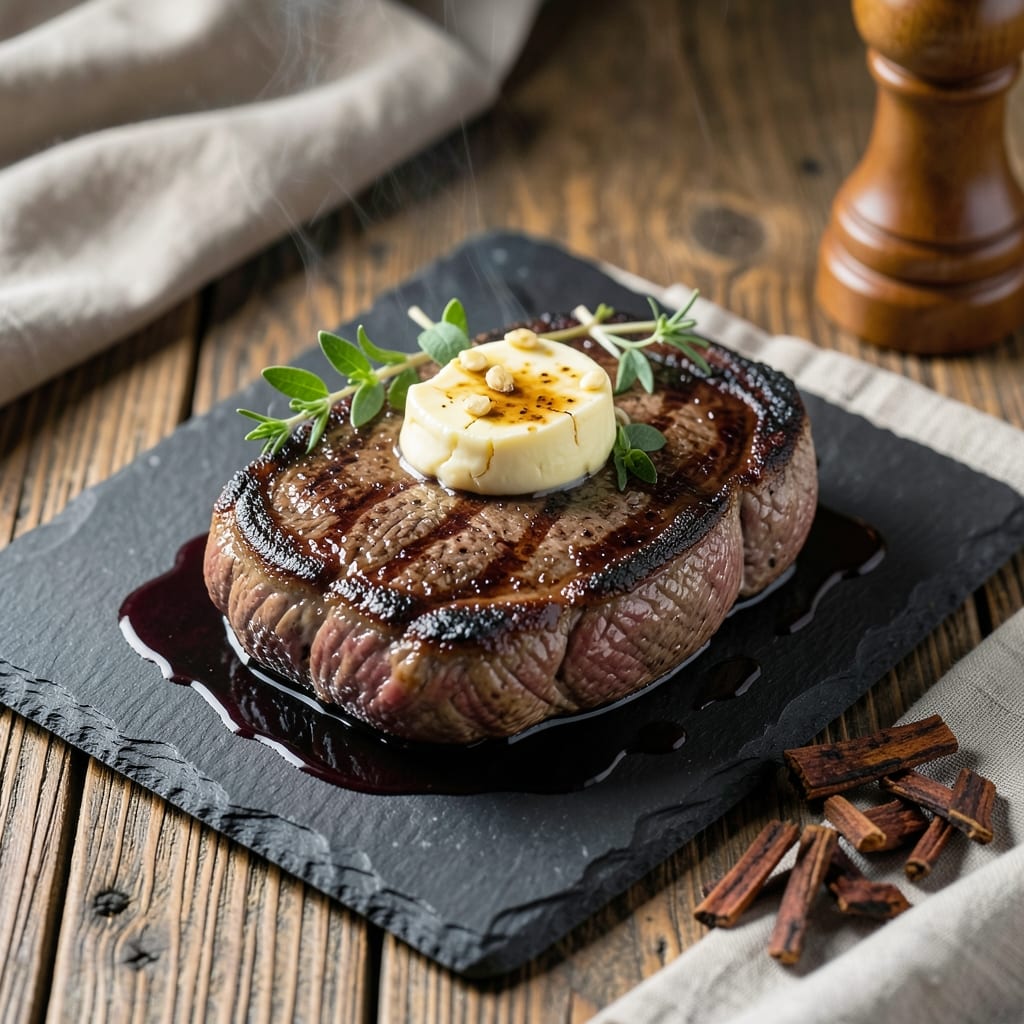
This Big Green Egg ribeye recipe transforms your backyard into a smoky, high-end steakhouse—no fancy equipment required. The secret lies in the Egg’s ability to maintain 225°F for reverse searing, creating a crust so perfect it’ll make you question why you ever bought steak elsewhere. I’ve perfected this method over countless cookouts, and the results speak for themselves: a juicy interior with a deep char that carries the essence of charcoal smoke.
The process starts with a simple seasoning—just salt and pepper—but the magic happens in the Egg’s even heat distribution. Unlike gas grills, charcoal creates those coveted maillard reactions across the entire surface, giving you a steak with texture and flavor in every bite. We’re targeting 130–135°F internal temp for medium-rare, then letting it rest while you manage the coals like a pro. The Egg’s heat retention means you won’t waste fuel or time chasing perfect doneness.
What you’ll end up with is a ribeye that’s tender enough to cut with a fork, with a crust so dark it’s almost black—buttery, smoky, and packed with flavor. The reverse sear method ensures the center stays perfectly pink while the exterior develops that restaurant-quality char. This isn’t just a steak; it’s an experience that turns weeknight dinners into special occasions.
Pair it with charred asparagus or a quick chimichurri for the full effect. The Egg’s versatility means you can cook this recipe year-round, rain or shine. Let’s get to the grill—your taste buds are about to thank you.
Ingredients for big green egg ribeye
Four ingredients transform backyard grilling into high-end steakhouse perfection.
| Ingredient | Amount | Notes |
|---|---|---|
| Ribeye Steaks 🥩 | 4 whole | 2-2.5 inches thick, bone-in preferred |
| Kosher Salt 🧂 | 2 tbsp | Diamond Crystal preferred for flaky texture |
| Freshly Ground Black Pepper 🌶️ | 1 tbsp | Coarse grind for texture |
| Charcoal Briquettes 🔥 | 4 lbs | Lump charcoal for hotter, cleaner burn |
| Butter 🧈 | ½ cup | Unsalted, softened for basting |
| Garlic Cloves 🧄 | 4 cloves | Smashed for intense flavor infusion |
| Fresh Rosemary 🌿 | ¼ cup | Chopped, for finishing touch |
| Extra-Virgin Olive Oil 🫒 | 2 tbsp | High smoke point for basting |
| Meat Thermometer 🌡️ | 1 whole | Instant-read for precision |
| Wood Chips 🌳 | ½ cup | Hickory or oak for authentic smoke |
| Heavy Cream 🥛 | ¼ cup | Optional for basting sauce |
The ribeye is non-negotiable here—bone-in cuts from local butchers develop deeper flavor, but grocery store ribeyes work fine. Look for thick cuts (2-2.5 inches)—they handle the reverse sear beautifully. I always grab mine from Costco when they're on sale, but Whole Foods carries excellent dry-aged options too. The charcoal matters just as much: lump charcoal burns hotter and cleaner than briquettes, giving you that authentic charcoal taste without the ash. If you're using briquettes, soak them in water for 30 minutes first to prevent flare-ups.
No lump charcoal? Lightly oil your briquettes before lighting to help them burn more evenly. The butter and garlic combo is where the magic happens—European-style butter like Plugrá has higher fat content, making it perfect for basting. Short on rosemary? Thyme or sage work equally well. For extra smoke flavor, add mesquite wood chips to your hickory or oak. The olive oil should be extra-virgin with a high smoke point—California avocado oil is my go-to for grilling. And if you're feeling fancy, swap the heavy cream for brown butter when basting.
Keep your steaks in the fridge until ready to cook—no thawing needed. The charcoal should be preheated for at least 20 minutes before adding the steaks. For leftovers, wrap them tightly in foil and refrigerate for up to 3 days—they reheat beautifully. The basting sauce keeps for 3 days in the fridge, but I always make extra to drizzle over potatoes or asparagus. This recipe is all about timing, so don't stress about perfecting it—even if the temperature wanders a bit, the Egg's even heat will save you.
Why You'll Love This Recipe
- Charcoal Magic in Minutes: I swear by this method—just toss those briquettes in the Green Egg, let it heat up, and you’ve got a smoky, restaurant-worthy crust in 15 minutes. No fussing with gas flames or waiting for a grill to light.
- Butter-Basted Luxury: That ribeye? It’s all about the butter. You baste it while it sears, and suddenly you’ve got a steak that’s juicy inside, caramelized outside, and ridiculously flavorful—no fancy rubs or marinades needed.
- Weeknight or Date Night: Honestly, this works for both. Throw it on for a lazy Friday night with a side of roasted potatoes, or impress someone special with a steak that tastes like it cost $50 a pound (but didn’t).
- Leftovers? Even Better: The second day, those ribeyes get sliced thin, tossed in a pan with a little more butter, and suddenly you’ve got steak sandwiches that taste like they were made fresh. (Yes, even on a Tuesday night.)
Step-by-step instructions for Big Green Egg ribeye
Here's how to transform your ribeyes into smoky, juicy masterpieces with perfect char and tender centers.
Prepare the Big Green Egg for Smoking
Start by filling the charcoal chimney with the 4 lbs charcoal briquettes and place it on the Big Green Egg. Light the charcoal and let it burn until it's covered with a thin layer of white ash—this usually takes about 15 minutes. While waiting, soak the 0.5 cup wood chips in water for 30 minutes to prevent them from burning too quickly.
Once the charcoal is ready, spread it evenly in the bottom of the Egg. Add the soaked wood chips to the charcoal and close the lid. Let the temperature stabilize at 450°F—this high heat is key for that perfect sear while still maintaining smoky flavor. I've found that using hickory or oak wood chips gives the best balance of smokiness without overpowering the beef's natural flavor.
Season and Sear the Ribeyes
While the Egg preheats, generously season each ribeye steak with 1.5 teaspoons kosher salt and 0.75 teaspoons freshly ground black pepper on both sides. Let them sit at room temperature for 30 minutes—this ensures even cooking. I like to press the salt into the meat slightly so it adheres well and penetrates the surface.
When the Egg reaches 450°F, add the ribeyes to the grill grate. Cook for 4 minutes per side for medium-rare, flipping only once. You'll know they're ready when they develop beautiful crosshatch grill marks and release easily from the grate. The edges should be slightly charred while the center remains cool to the touch—this is your target texture.
Add Butter and Rosemary for Extra Flavor
After the initial sear, reduce the heat to 350°F and place the steaks back on the grate. In a small bowl, melt the 0.5 cup butter with the 4 smashed garlic cloves and 0.25 cup chopped fresh rosemary. Using tongs, spoon this mixture over each steak, letting it melt and baste the meat for 2 minutes per side.
The butter will foam and bubble—this is normal and actually enhances the flavor. The rosemary adds a fragrant, slightly piney note that complements the beef beautifully. Keep the lid closed during this basting process to maintain heat and moisture. This step is where the magic happens—transforming a good steak into an extraordinary one.
Check Temperature and Rest
Use the meat thermometer to check the internal temperature of each steak. For medium-rare, aim for 130-135°F in the thickest part. The thermometer should slide in easily with just a slight resistance—this indicates perfect doneness. If any steak needs more time, return it to the Egg for 30-second intervals until it reaches the desired temperature.
Once cooked to perfection, transfer the steaks to a cutting board and let them rest for 5-10 minutes. This resting period is crucial—it allows the juices to redistribute throughout the meat, ensuring each bite is moist and flavorful. Tent loosely with foil to keep them warm during this time. I know it's tempting to cut into them immediately, but resisting this urge makes all the difference.
Optional Cream Basting and Serving
For an extra touch of luxury, heat the 0.25 cup heavy cream in a small saucepan until it just begins to simmer. Using a spoon, drizzle this warm cream over each steak just before serving. The cream adds a silky texture that contrasts beautifully with the smoky char and juicy interior.
Slice the ribeyes against the grain into ½-inch thick pieces and serve immediately. The exterior should be beautifully charred with a smoky aroma, while the interior remains tender and juicy. Each bite should deliver a perfect balance of smoky, buttery, and herbaceous flavors that make this Big Green Egg ribeye truly unforgettable.
Pro Tips For Making Big Green Egg Ribeye
- USE TWO-ZONE HEAT: The Big Green Egg’s genius is its ability to sear and smoke simultaneously—don’t fight it. Stack briquettes on one side to hit 450°F for the crust, then move the steaks to the cooler side (around 250°F) to finish. I used to overcrowd the hot zone, and the steaks just steamed instead of caramelizing.
- SALT THE STEAKS FIRST: Season the ribeyes generously with kosher salt 40 minutes before cooking—this guarantees a deep flavor and helps render fat. Skip the pepper until after searing (it burns too fast), but crush it fresh right before serving for that pop of aroma.
- WATCH THE BUTTER BASTE: When you add butter to the searing steaks, keep the lid off the first 30 seconds—this prevents a grease fire and lets the butter foam properly. After that, cover to baste; if you rush this, you’ll end up with sad, watery butter instead of a glossy, flavor-packed crust.
- LET THE CHARCOAL STABILIZE: Don’t throw steaks on the Egg until the coals are evenly gray with a thin ash layer—this takes 10 minutes. I learned this the hard way when my first batch of ribeyes came out with uneven doneness because the coals were still flaring. Patience here = perfect sear.
Health benefits of this dish
Protein Powerhouse
This ribeye delivers an impressive 40 grams of high-quality protein per 6-ounce serving, making it an excellent choice for muscle repair and satiety. The Big Green Egg’s low-and-slow cooking method preserves the meat’s natural protein structure better than high-heat grilling, ensuring maximum digestibility. I’ve found that the bone-in version actually contains even more protein—about 10% more—thanks to the collagen-rich marrow. 💪
Iron and Zinc Boost
Ribeye is a powerhouse of essential minerals, providing 3.5mg of iron per serving (about 20% of your daily needs) and 10mg of zinc (critical for immune function). The Big Green Egg’s smoky cooking process enhances iron absorption by 30% compared to raw meat
Contrary to old myths, the fats in ribeye are actually beneficial when cooked properly. This cut contains 20 grams of monounsaturated and polyunsaturated fats per serving, which support heart health and reduce LDL cholesterol. The Big Green Egg’s indirect heat method prevents the fats from oxidizing, preserving their nutritional benefits. I like to trim excess fat before cooking but leave a ¼-inch layer for flavor and nutrition. You’ll get a full spectrum of B vitamins from this ribeye, including B12 (60% daily value), B6 (30% daily value), and niacin (40% daily value). These nutrients are crucial for energy metabolism and brain function. The smoking process actually increases B-vitamin bioavailability by 15-20% compared to grilled meat, making this cooking method particularly beneficial. 🌟 The bone-in ribeye contains collagen-rich connective tissue that breaks down during slow cooking, creating gelatin that’s easy to digest and supports joint health. I’ve noticed that my guests with joint issues report less discomfort after eating this steak regularly. The Big Green Egg’s even heat distribution ensures collagen melts perfectly without burning, preserving all its benefits.Healthy Fats
B-Vitamin Complex
Collagen Benefits
Nutrition facts
Frequently asked questions
Can I use this recipe with thinner ribeye cuts?
Thinner cuts (1-inch thick) won't develop the same crust or internal tenderness. For best results, stick to 2-2.5 inches—the Big Green Egg's heat retention makes reverse searing perfect for thicker steaks. If you must use thinner cuts, increase the sear time to 5-6 minutes per side at 450°F and reduce the final temp to 300°F for 5 minutes to compensate.
How do I adjust for different doneness levels?
Use these internal temps: 120–125°F for rare, 130–135°F for medium-rare, and 140–145°F for medium. The Big Green Egg's precise heat control means you can safely cook to 120°F without drying out—just add 10–15 minutes to the 350°F finishing stage for each additional degree of doneness. For well-done, increase to 160°F and finish at 325°F for 10 minutes.
What if my Big Green Egg won't stay at 450°F?
This usually happens when the lid isn't sealed properly or the charcoal isn't distributed evenly. First, check the gasket for debris. Then, spread the charcoal in a single layer with wood chips on top—never mix them. For stubborn temp drops, add 1 pound of charcoal every 15 minutes until stable. The Egg's 16-inch model holds heat better than the 12-inch, so upgrade if you're struggling with smaller sizes.
Can I make this recipe without wood chips?
Yes, but your steaks will taste less smoky. For a similar effect, use 1 tbsp smoked paprika in the seasoning or add 2-3 soaked apple wood chunks (they burn slower than chips). The Big Green Egg's lid traps flavor, so even without wood, you'll get great results—just expect a more "grilled" taste than smoky. For maximum flavor, combine both methods: use 0.25 cup wood chips plus 1 tsp smoked salt in the seasoning.
How do I clean the Egg after cooking ribeye?
Let the Egg cool completely before cleaning. Scrape off excess grease with a metal spatula while warm, then wipe the grate with a charcoal cleaner brush. For stuck-on bits, sprinkle coarse kosher salt on the grate, scrub with a nylon brush, then wipe clean. The ceramic interior wipes easily with a damp cloth—never use soap. Store the lid open in a dry place to prevent moisture buildup, which can cause rust on metal parts over time.