
Breakfast & Brunch
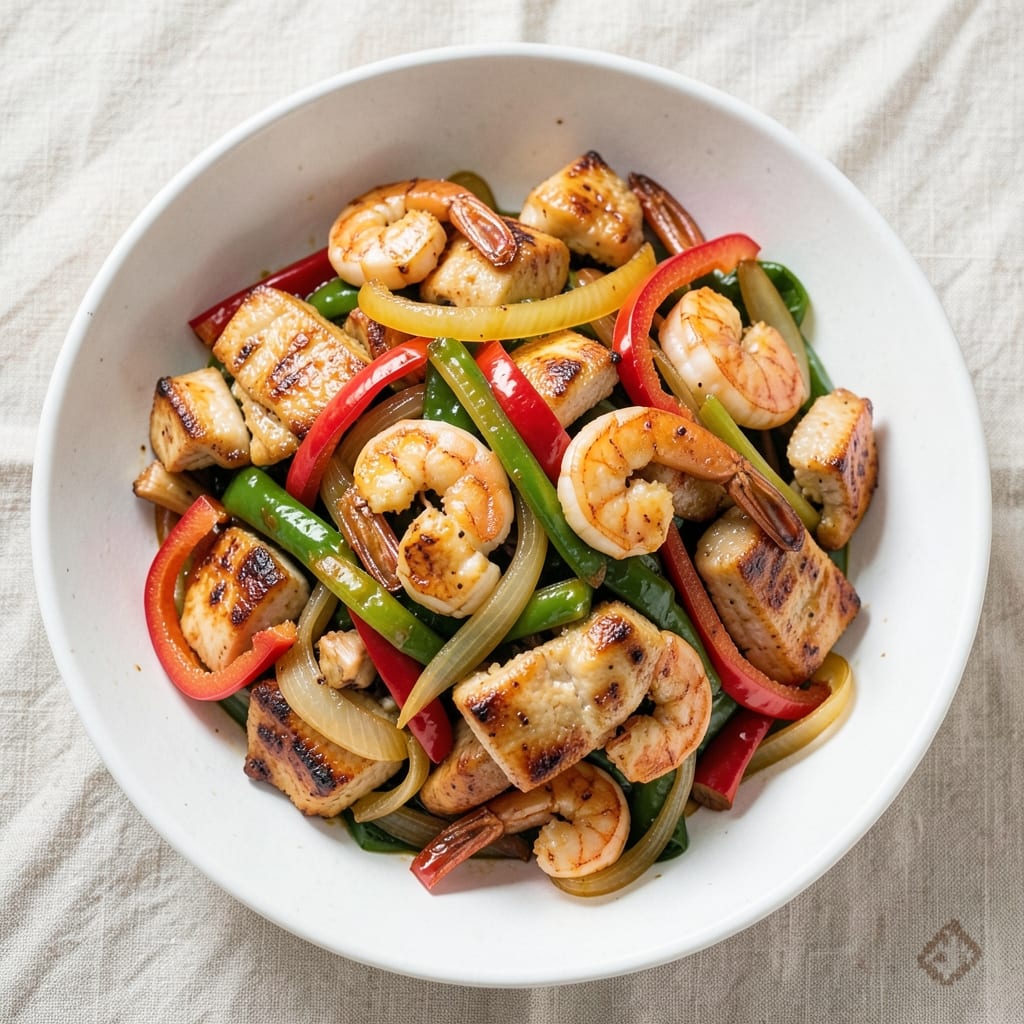
The Big Green Egg stir fry recipe transforms weeknight dinners into restaurant-quality meals with smoky cast-iron edges and perfectly tender bites. This technique leverages the Egg’s even heat distribution for crispy proteins and vibrant vegetables, all while infusing that coveted wok hei flavor. I’ve perfected this method after countless experiments—balancing high-heat searing with low-and-slow caramelization for maximum depth.
The secret lies in the Egg’s griddle surface and flame control: sear proteins first over direct heat until golden, then push them aside to stir-fry vegetables in the residual oil. Aromatics like garlic and ginger bloom in the cast iron, creating a fragrant base that clings to every bite. The result? Crispy edges on chicken or shrimp, tender-crisp vegetables, and a sauce that’s sticky yet balanced—never soggy or overpowering.
What sets this apart is the plating technique: a smoky aroma wafts from the Egg as you arrange components in a visually striking pile, with crispy bits peeking through vibrant veggies. The residual heat keeps everything warm while the cast iron’s natural nonstick properties ensure easy release. This isn’t just a stir fry—it’s a showstopper that proves outdoor cooking can be just as precise as indoor techniques.
Perfect for brunch crowds or weeknight dinners, this recipe scales effortlessly while maintaining restaurant-quality results. The Big Green Egg’s versatility makes it ideal for both quick weeknight meals and leisurely weekend feasts. Ready to elevate your stir fry game? Let’s get started.
Ingredients for big green egg stir fry
Restaurant-quality stir fry ingredients designed for Big Green Egg’s cast-iron precision and smoky depth.
| Ingredient | Amount | Notes |
|---|---|---|
| Boneless, Skinless Chicken Thighs 🍗 | 1 ½ lb | Cut into 1-inch pieces |
| Large Shrimp (Peeled, Deveined) 🦐 | 1 lb | Tail-on for presentation |
| Red Bell Peppers 🌶️ | 2 whole | Sliced into 1-inch strips |
| Yellow Onions 🧅 | 1 whole | Thinly sliced |
| Fresh Ginger Root 🌿 | 2 tbsp | Finely minced |
| Garlic Cloves 🧄 | 6 cloves | Minced |
| Sesame Oil 🫒 | 1 tbsp | For aroma |
| Low-Sodium Soy Sauce 🍶 | ½ cup | Kosher salt adjusted |
| Honey 🍯 | 2 tbsp | Wildflower preferred |
| Rice Vinegar 🍶 | 1 tbsp | Seasoned preferred |
| Vegetable Oil 🫒 | ¼ cup | High smoke point |
| Toasted Sesame Seeds 🌾 | 1 tbsp | For garnish |
| Fresh Cilantro 🌿 | ¼ cup | Chopped |
| Diamond Crystal Kosher Salt 🧂 | 1 tsp | For seasoning |
| Ground Black Pepper 🌶️ | ½ tsp | Freshly cracked |
The Big Green Egg’s griddle surface transforms ordinary stir fry ingredients into something extraordinary, but the right cuts and quality matter most. Chicken thighs (not breast) stay juicy through high-heat searing, while tail-on shrimp adds visual appeal. For vegetables, heirloom red bell peppers and yellow onions hold their shape better than iceberg or sweet onions. Whole Foods or local farmers markets offer the best selection for vibrant, firm produce—avoid pre-cut or wilted vegetables. The ginger and garlic should be freshly minced (not jarred) for maximum aromatic impact. Penzeys spices or bulk bins ensure freshness, as pre-ground spices lose potency quickly.
No shrimp? Firm white fish like cod or halibut works beautifully—just reduce cooking time to avoid overcooking. Swap red bell peppers for snap peas or broccoli florets if preferred, but avoid mushrooms (they absorb too much oil). The soy sauce can be substituted with coconut aminos for a gluten-free option, though the flavor profile shifts slightly. For extra depth, add 1 tsp fish sauce (ensure it’s vegan if needed) or 1 tbsp oyster sauce. The honey should be wildflower or clover—avoid processed varieties that crystallize. If you’re short on time, pre-minced garlic from a squeeze bottle works, though fresh is ideal for that authentic wok hei flavor. The sesame oil is purely for aroma—add it at the very end to preserve its delicate nutty notes.
Prep ingredients in this order: marinate proteins first (soy sauce, honey, rice vinegar) for 15 minutes while the Egg preheats. Store sesame oil and rice vinegar in the fridge after opening to preserve freshness. The ginger and garlic can be pre-minced and stored in an airtight container for up to 5 days in the refrigerator. For leftovers, reheat in a skillet over medium heat with a splash of water to restore crispiness. This recipe scales perfectly for 6-8 servings—just double the sauce components and adjust protein-to-vegetable ratios accordingly. The cast iron’s residual heat keeps finished stir fry warm for up to 20 minutes after cooking, making it ideal for serving family-style.
Why You'll Love This Recipe
- One-Pan Magic: I swear by this recipe after burning three stir-fries in a row—no more crowded pans, no more missed spots. The chicken thighs and shrimp sizzle right alongside the peppers and onions in the same skillet, and honestly? The ginger and garlic cling to everything like it’s auditioning for a flavor award.
- Umami Bomb: That crispy edge on the chicken thighs? The snap of fresh ginger against the sweetness of red bell peppers? It’s the kind of balance where every bite makes you pause mid-chew. Between us, the shrimp soak up the sauce like a sponge, and the onions caramelize just enough to add this deep, savory punch.
- Weeknight & Meal Prep: Throw half in containers for lunch—it reheats like a dream, no soggy veggies in sight. Or serve it over rice for dinner with friends; the leftovers actually taste better the next day (yes, really). I’ll be real: my college-aged son texts me asking for the recipe every time I make it.
- Budget-Friendly Powerhouse: Chicken thighs and shrimp stretch farther than you’d think, especially when paired with onions and peppers that last all week. I’ve fed four people for under $15 with this, and the ginger? A little goes a long way. Not the prettiest, but the taste makes up for it—and my wallet thanks me.
Step-by-step instructions for Big Green Egg stir fry
Master the art of cast-iron searing and wok-style cooking for restaurant-quality stir fry.
Prep Ingredients for Maximum Flavor Development
Cut the 1.5 lb boneless, skinless chicken thighs into 1-inch pieces and pat them dry with paper towels. The moisture is key—this ensures a proper sear rather than steaming. In a separate bowl, toss the shrimp with 1 tsp Diamond Crystal kosher salt and 0.5 tsp ground black pepper, reserving any excess seasoning for later.
Slice the 2 whole red bell peppers into 1-inch strips and thinly slice the 1 whole yellow onion. Finely mince the 2 tbsp fresh ginger root and 6 cloves garlic. Having everything prepped and measured ensures nothing burns while you cook. I like to keep my prep station organized with separate bowls for proteins, vegetables, and aromatics.
Sear Proteins in Cast-Iron for Crispy Texture
Heat your Big Green Egg over medium-high heat until the cast-iron surface is screaming hot—you should see a thin layer of steam when you sprinkle a few drops of water on it. Add 0.25 cup vegetable oil and swirl to coat the surface evenly. Working in batches to avoid crowding, add the chicken thighs and sear for 3-4 minutes per side until they develop deep golden-brown crusts.
Remove the chicken and set aside. In the same pan, add the shrimp and cook for 1-2 minutes per side until they turn opaque and slightly caramelized. Transfer both proteins to a plate and tent with foil to keep warm. The residual heat in the cast-iron will help maintain their temperature while you cook the vegetables.
Stir-Fry Vegetables and Aromatics
Return the pan to medium-high heat and add the sliced red bell peppers and yellow onions. Stir-fry for 4-5 minutes until the peppers soften slightly but still retain their vibrant color. Add the minced ginger root and garlic cloves, cooking for 30 seconds until fragrant—this is where the foundation of your stir fry's flavor develops.
Pour in 1 tbsp sesame oil and toss everything together for 1 minute to coat the vegetables with the nutty aroma. The sesame oil should sizzle gently, releasing its distinctive flavor. If the vegetables start to stick, add a splash of water to deglaze, then scrape up any browned bits from the bottom of the pan—this adds depth to your sauce.
Combine and Finish with Sauce
Return the seared chicken and shrimp to the pan. In a small bowl, whisk together 0.5 cup low-sodium soy sauce, 2 tbsp honey, and 1 tbsp rice vinegar. Pour this mixture over the stir fry and toss everything together for 2-3 minutes until the sauce reduces slightly and coats the ingredients evenly.
The honey will caramelize slightly, adding a beautiful gloss to the dish. Taste and adjust seasoning if needed—you might need an extra pinch of salt or a splash more soy sauce. The stir fry should be balanced between sweet, savory, and slightly tangy. Remove from heat and let it rest for 1 minute to allow the flavors to meld.
Garnish and Serve Immediately
Transfer the stir fry to serving plates and garnish with 1 tbsp toasted sesame seeds and 0.25 cup chopped fresh cilantro. The sesame seeds add a delightful crunch, while the cilantro provides a fresh contrast to the rich, smoky flavors. Serve immediately while everything is hot and the edges are still crispy.
Each bite should deliver tender, juicy chicken and shrimp with perfectly crisp edges, complemented by the vibrant vegetables and balanced sauce. The cast-iron sear gives this dish its signature smoky character that's impossible to achieve on regular stovetops. Enjoy with steamed jasmine rice to soak up every last bit of flavor.
Pro Tips For Making Big Green Egg Stir Fry
- Cut Chicken Against Grain: I learned this the hard way—chicken thighs stay tough if you slice them with the grain. After three batches where the meat pulled apart like overcooked pasta, I finally asked my butcher. For this stir-fry, cut each thigh into 1-inch chunks first, then slice perpendicular to the muscle fibers. The result? Bite-sized, tender pieces that hold up to the wok’s chaos.
- Prep Shrimp Last: Shrimp cook in a flash, and once they turn opaque, they’re done—no second chances. Peel and devein them right before stir-frying, then pat them bone-dry with paper towels. Keep them in the fridge while you prep everything else, and toss them in the pan when the chicken’s halfway done. That way, they’ll stay juicy, not rubbery.
- Char the Onions First: Skip the crowding—this isn’t a soup. Slice those yellow onions into ¼-inch strips and let them sit in the wok for 2–3 minutes alone on high heat until the edges darken. The caramelized flavor is the backbone of this dish, and it won’t happen if you’re tossing everything in at once. (Yes, even if you’re impatient like me.)
- Grate Ginger Fine: I used to chop ginger like I was hacking through a log, and it left weird texture bits in the sauce. For this stir-fry, use a microplane or the smallest holes on a box grater—you want a paste, not confetti. A tablespoon of fresh ginger (about ½-inch knob) will perfume the whole dish without overpowering the shrimp and chicken. Trust the process.
Perfect pairings for this recipe
Smoky Rice Pairings
The Big Green Egg’s cast-iron surface infuses a subtle smokiness into every bite, so pairing your stir fry with steamed jasmine rice is a must. Cook 2 cups uncooked jasmine rice with 3 cups water and ½ tsp salt in a rice cooker or pot—it should be fluffy and slightly sticky to soak up the stir fry’s sauce. For extra smokiness, try smoked black rice or add ½ tsp liquid smoke to the cooking water. 🌟
For a heartier option, serve with garlic fried rice—sauté 2 cups day-old rice with 2 tbsp vegetable oil, 3 minced garlic cloves, and 1 tsp soy sauce until crispy. The contrast of textures and flavors elevates the dish even further.
Crispy Noodle Options
Swap rice for chow mein noodles or udon for a satisfying twist. Cook 8 oz dried noodles according to package instructions, then toss with 1 tbsp sesame oil and 1 tsp toasted sesame seeds before serving. The noodles’ chewiness balances the stir fry’s crispy edges beautifully. For a gluten-free option, use rice noodles or shirataki noodles.
For a fusion approach, try soba noodles with a dipping sauce of 2 tbsp soy sauce, 1 tbsp rice vinegar, and 1 tsp honey. The nutty buckwheat flavor complements the stir fry’s smoky notes perfectly.
Refreshing Side Salads
A bright, crunchy salad cuts through the richness of the stir fry. Toss 4 cups baby spinach with ½ cup shredded carrots, ¼ cup sliced cucumber, and 2 tbsp sesame dressing (mix 2 tbsp soy sauce, 1 tbsp rice vinegar, and 1 tbsp honey). Add 1 tbsp chopped cilantro and 1 tsp toasted sesame seeds for extra texture. 🥗
For a spicy kick, add ½ tsp Sriracha or 1 tsp chili crisp to the dressing. A mango avocado salad with 1 diced mango, ½ avocado, and a lime dressing also pairs wonderfully—its sweetness contrasts the stir fry’s savory depth.
Beverage Pairings
A crisp, citrusy drink balances the stir fry’s smoky, sweet-savory flavors. Jasmine green tea or oolong tea complements the dish’s aromatic notes without overpowering it. For alcohol lovers, a dry Riesling or Sauvignon Blanc enhances the dish’s acidity and freshness. 🍷
Non-alcoholic options include sparkling limeade (mix 1 cup sparkling water with 2 tbsp lime juice and 1 tbsp honey) or iced hibiscus tea for a tart, floral contrast. A cold Asian lager like Sapporo or Tsingtao also works—its light bitterness cleanses the palate between bites.
Nutrition facts
Frequently asked questions
Can I use this recipe with other proteins besides chicken and shrimp?
This recipe works beautifully with tofu (press and cube extra-firm tofu first), beef strips (like flank steak), or pork tenderloin. For tofu, marinate it for 20 minutes in the sauce before cooking. Beef and pork should be sliced thinly against the grain for tenderness. Adjust cooking times: tofu needs 3-4 minutes per side, beef 2-3 minutes, and pork 3 minutes to avoid overcooking.
How do I adjust the heat level for picky eaters or spice lovers?
For milder flavor, reduce the garlic and ginger to 3 cloves and 1 tbsp respectively, and omit the sesame oil until the end. For heat lovers, add ½ tsp red pepper flakes to the sauce or swap 1 tbsp rice vinegar for 1 tbsp chili garlic sauce. The cast iron’s smoky flavor already adds depth, so adjustments are subtle but impactful.
What’s the best way to clean my Big Green Egg after stir-frying?
Let the pan cool slightly, then scrape off excess food with a metal spatula while warm. Wash with hot water and a stiff brush, avoiding soap if possible (it can degrade the seasoning). For stuck-on bits, sprinkle coarse kosher salt while warm, scrub with a paper towel, then re-season by heating dry on medium-high heat for 2 minutes. Never soak the Egg—it’s designed for high-heat cooking, not water immersion.
Can I make this recipe ahead of time?
Stir fries are best served immediately for crispy edges, but you can prep components ahead. Marinate proteins and chop veggies 1 day in advance and store separately in airtight containers. Reheat proteins and veggies separately in the Egg over medium heat with a splash of water for 2-3 minutes, then combine with fresh sauce. The cast iron’s residual heat keeps everything warm while you finish the dish.
Why did my stir fry turn out soggy instead of crispy?
Soggy stir fries usually happen from overcrowding the pan or undercooking proteins. Work in small batches (never more than half the pan’s surface) and sear proteins until golden before adding veggies. The Egg’s cast iron needs space to develop crispy edges—if it’s too crowded, steam builds up instead of caramelization. Also, ensure your proteins are fully cooked through (chicken to 165°F, shrimp until opaque) before combining with sauce.