
Breakfast & Brunch
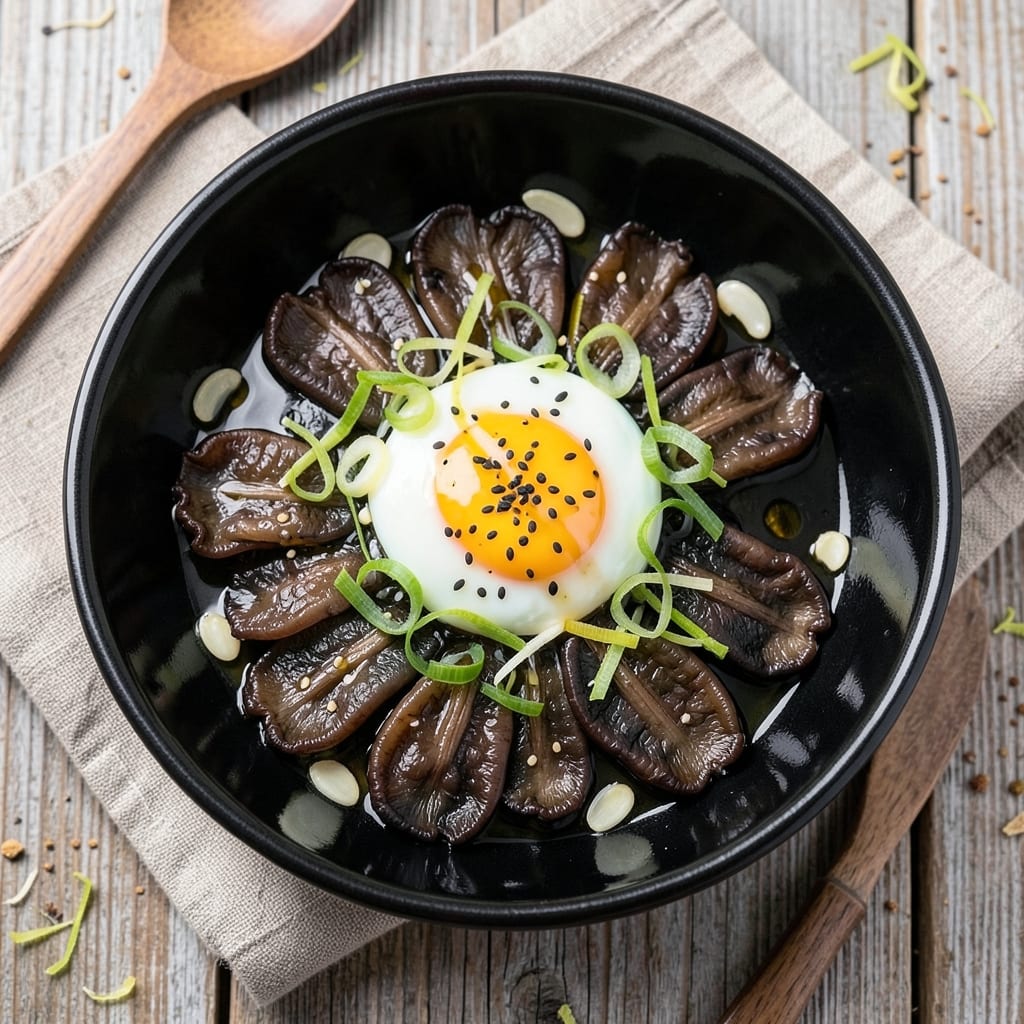
This black fungus and egg recipe transforms humble ingredients into a restaurant-worthy vegetarian dish that delivers bold umami flavor in just 15 minutes. The secret lies in properly rehydrating the black fungus—wood ear mushrooms—to create that signature chewy texture that pairs perfectly with silky scrambled eggs and aromatic vegetables. I developed this recipe after discovering how much depth dried black fungus adds when soaked and stir-fried, making it a game-changer for quick weeknight meals.
The beauty of this dish is in its simplicity: no complicated techniques, just a few key steps that result in a perfectly balanced stir-fry. You'll start by rehydrating the black fungus until it's plump and tender, then quickly stir-fry it with garlic, ginger, and scallions to build that rich umami foundation. The eggs are cooked separately to maintain their creamy texture, then gently folded into the wok just before serving.
What you'll end up with is a dish that's packed with texture—chewy black fungus, tender eggs, and crisp vegetables—all coated in a savory sauce that's both aromatic and deeply satisfying. The contrast between the earthy fungus and the delicate eggs creates a harmony that's impossible to resist. This recipe is perfect for breakfast, brunch, or even a light dinner when you crave something flavorful but not overly heavy.
The best part? It comes together in one pan with minimal cleanup, making it ideal for busy mornings or when you want to impress guests without spending hours in the kitchen. Serve it with steamed rice or crusty bread to soak up every last bit of that umami-packed sauce. Let's get cooking!
Ingredients for black fungus egg
Four eggs, dried black fungus, and aromatic vegetables create this umami-rich vegetarian stir-fry in record time.
| Ingredient | Amount | Notes |
|---|---|---|
| Dried Black Fungus (Wood Ear Mushrooms) 🍄 | ½ oz | Rehydrate in hot water for 20 mins |
| Large Eggs 🥚 | 4 whole | Room temperature for even cooking |
| Garlic Cloves 🧄 | 4 cloves | Minced finely for aromatic base |
| Fresh Ginger 🌿 | 1 tbsp | Finely grated, peeled |
| Green Onions 🧅 | 3 whole | Cut into 1-inch pieces, white and green |
| Sesame Oil 🫒 | 1 tbsp | Toasted for nutty aroma |
| Light Soy Sauce 🥄 | 2 tbsp | For umami depth |
| Dark Soy Sauce 🥄 | 1 tbsp | For color and complexity |
| Rice Vinegar 🍶 | 1 tbsp | Balances flavors |
| Vegetable Oil 🫒 | 2 tbsp | High smoke point for stir-frying |
| Sesame Seeds 🌾 | 1 tsp | Toasted for garnish |
| Diamond Crystal Kosher Salt 🧂 | ½ tsp | Adjusts seasoning |
| White Pepper 🌶️ | ¼ tsp | Freshly ground for subtle heat |
| Steamed Jasmine Rice 🍚 | 2 cups | For serving (cooked) |
The black fungus is the star—look for dried wood ear mushrooms at Asian markets or specialty grocery stores like Whole Foods. The best quality will be dark, plump, and free of dust or debris. Rehydrating properly is key: soak in hot water for 20 minutes until pliable but not mushy. For extra depth, use organic dried black fungus if available, as conventional varieties may contain sulfites. If you can't find wood ear mushrooms, shiitake mushrooms can substitute in a pinch, though texture will differ. The eggs should be large, fresh eggs for optimal texture—room temperature eggs cook more evenly.
No sesame oil? Toasted peanut oil works similarly for stir-frying, though flavor will shift slightly. Substitute coconut aminos for soy sauce if needed, though umami depth will be less pronounced. Fresh ginger is ideal, but dried ginger at one-third the amount will suffice. For the green onions, use the white and green parts—the green adds freshness. If you're short on time, pre-minced garlic and ginger from the refrigerated section at Trader Joe's saves prep work without sacrificing flavor. The rice vinegar should be unseasoned—seasoned varieties can overpower the delicate balance.
Store rehydrated black fungus in its soaking water, covered, for up to 3 days in the fridge. Cooked eggs should be used immediately or refrigerated for no more than 2 hours to prevent texture breakdown. The stir-fry reheats beautifully—simmer gently in a wok for 2-3 minutes with a splash of water. For meal prep, portion the sauce separately and toss with cooled stir-fry before serving to maintain crispness. The sesame seeds toast best in a dry pan over medium heat for 30 seconds—watch closely to avoid burning. Freeze any leftovers in airtight containers for up to 1 month
Why You'll Love This Recipe
- No Soak Needed: I’ll admit, I was skeptical about dried black fungus—until I realized you just rinse it, not soak it like other mushrooms. Five minutes under warm water, and it’s ready to go. That’s it. No waiting, no fuss.
- Umami Bomb: The black fungus soaks up the garlic and ginger like a sponge, turning into this chewy, savory treasure. Pair that with the eggs—soft yolks, slightly crisp edges—and suddenly, your plate is packed with flavor without a single heavy ingredient.
- Leftover Goldmine: This dish actually improves the next day. Cold or reheated, the fungus stays tender, and the eggs get that perfect set texture. I’ve packed it for lunches, thrown it in fried rice, or just eaten it straight from the fridge. Zero waste, all win.
- Budget Breakfast Upgrade: Eggs, garlic, ginger—these are pantry staples. Dried black fungus lasts forever and costs pennies per serving. Honestly, it’s the kind of recipe that makes me feel like I’m treating myself, even when I’m just grabbing whatever’s on hand.
Step-by-step instructions for black fungus egg stir-fry
This umami-packed stir-fry delivers restaurant-quality depth in just 15 minutes—here's how to execute it flawlessly.
Rehydrate and Prep the Black Fungus
Place the 0.5 oz dried black fungus (wood ear mushrooms) in a small heatproof bowl and cover with 1 cup boiling water. Let it soak for 20 minutes until fully rehydrated and pliable. Drain carefully, reserving the soaking liquid—this contains concentrated umami flavor that will elevate your stir-fry.
While the fungus rehydrates, separate the 4 whole large eggs into a bowl and whisk vigorously until the yolks and whites are fully combined. The eggs should be at room temperature for even cooking—this prevents uneven doneness. I like to let them sit out for 30 minutes before using, especially if they came straight from the refrigerator.
Build the Aromatic Base
Heat a 14-inch wok or large skillet over medium-high heat until a drop of water sizzles and evaporates instantly. Add the 2 tablespoons vegetable oil and swirl to coat the pan evenly. Add the 4 cloves minced garlic cloves and 1 tablespoon finely grated fresh ginger, stirring constantly for 30 seconds until fragrant.
Here's where the flavor foundation is built: the garlic should turn golden without browning, and the ginger should release its pungent aroma. If you smell burning, reduce the heat slightly—you want aromatic depth, not bitter notes. Add the rehydrated black fungus, tossing it in the oil for 1 minute until it's evenly coated and heated through.
Cook the Eggs and Season the Stir-Fry
Push the black fungus to one side of the wok, creating space in the center. Pour in the whisked eggs and let them sit undisturbed for 10 seconds before gently scrambling with a spatula. The eggs should form soft curds—this texture is crucial for the final dish. Once mostly set but still slightly runny in the center, remove them to a plate and set aside.
Return the wok to medium heat and add 1 tablespoon toasted sesame oil. Pour in the 2 tablespoons light soy sauce, 1 tablespoon dark soy sauce, and 1 tablespoon rice vinegar. Stir vigorously for 1 minute until the sauce begins to reduce slightly. The dark soy sauce will give the dish its signature deep color while adding complexity.
Combine and Finish
Return the eggs to the wok and toss gently to coat them in the sauce. Add the 3 whole green onions, cut into 1-inch pieces, and stir for 30 seconds until they're heated through. Sprinkle with the 0.5 teaspoon Diamond Crystal kosher salt and 0.25 teaspoon freshly ground white pepper, tossing again to distribute evenly.
Remove from heat and let the stir-fry rest for 1 minute. This brief resting period allows the flavors to meld and the sauce to cling to the eggs and fungus. Garnish with 1 teaspoon toasted sesame seeds right before serving—this adds both texture and visual appeal. Serve immediately over 2 cups steamed jasmine rice, spooning the sauce generously over each serving.
Plate and Serve for Maximum Impact
Divide the 2 cups steamed jasmine rice evenly among serving plates. Spoon the black fungus and egg stir-fry over the rice, creating an attractive mound in the center. The contrast between the delicate rice and the rich, umami-packed stir-fry is what makes this dish so satisfying.
For presentation, I like to fan the green onions slightly over the top of each serving—this adds freshness and makes the dish look even more inviting. Serve immediately while the eggs are still warm and the sauce is at its peak flavor. The combination of textures—soft eggs, chewy black fungus, and tender rice—with the balanced umami-sweet-tangy sauce creates a truly memorable dish.
Pro Tips For Making Black Fungus Egg
- SOAK FUNGUS OVERNIGHT: I learned this the hard way—rushing the black fungus soak turns it into a chewy mess. Toss the dried pieces in warm water for at least 8 hours (or overnight) so they absorb properly and stay tender. No one wants to bite into a rubbery mushroom in their egg dish.
- CRACK EGGS GENTLY: The worst thing? Splattering yolk everywhere while scrambling. Crack eggs directly into a cold bowl first, then stir gently before adding to the pan. This keeps the eggs intact and makes for cleaner, more even cooking—no surprise splatters when the heat hits.
- STOP WHEN EGGS ARE STILL SOFT: Overcooked eggs ruin this dish. Pull them off heat the second they’re just set—still slightly runny in the center. They’ll finish cooking from residual heat while the fungus and aromatics bloom. Trust me, mushy eggs in a crispy fungus stir-fry are a crime.
- USE GINGER-GARLIC PASTE: Minced fresh ginger and garlic burn faster than you think. Blend them with a splash of water into a smooth paste before cooking—it distributes evenly and adds depth without scorching. (Yes, even if you’re impatient like me.) The aroma stays bright and doesn’t turn bitter.
Perfect pairings for this black fungus egg
Side Dish Harmony
Steamed jasmine rice is the classic pairing for this dish—its delicate, floral aroma complements the deep umami flavors without overpowering them. I recommend using Daybreak Jasmine Rice from Asian markets, as its slightly sticky texture helps soak up the sauce beautifully. For a heartier option, try brown rice or forbidden black rice to add nutty depth and extra fiber. 🍚
For a lighter option, serve with steamed bok choy or garlic green beans—both add freshness and contrast the chewy texture of the black fungus. If you want something more substantial, crispy fried shallots scattered on top add a satisfying crunch and visual appeal. I often keep a small bowl of pickled ginger on the side to cut through the richness of the eggs and sauce.
Sauce Enhancements
This stir-fry's sauce is already balanced, but you can customize it based on your taste. For extra heat, add ½ teaspoon chili crisp or 1 tsp gochujang when combining the sauce ingredients. If you prefer sweetness, stir in 1 tsp honey or maple syrup at the end. For a nutty twist, drizzle with 1 tsp toasted peanut oil before serving. 🌶️
For a creamy finish, fold in 2 tbsp silken tofu or 1 tbsp coconut cream at the end—this adds a luxurious texture that pairs perfectly with the eggs. If you love herbaceous notes, sprinkle with 1 tbsp chopped cilantro or thai basil just before serving. The key is to balance the sauce's existing flavors rather than overpowering them.
Beverage Pairings
A jasmine tea or light oolong tea is my go-to pairing—its floral notes mirror the rice and complement the dish's umami without competing. For something more substantial, try a dry Riesling from Germany or a green tea-infused sake to cleanse the palate between bites. 🍶
If you prefer non-alcoholic options, sparkling lemonade with a hint of mint adds brightness, while yuzu soda (a Japanese citrus soda) provides a refreshing contrast. For a coffee lover's twist, serve with cold brew—the bitterness balances the dish's richness beautifully. The key is to choose a beverage that doesn't overpower the dish's delicate flavors.
Garnish Upgrades
Toasted sesame seeds are a must for texture and aroma, but you can elevate them further. Try crushed peanuts for a nutty crunch or fried shallots for a crispy, golden finish. For a fresh pop, add thinly sliced cucumber or radish on the side—both add crunch and visual contrast. 🌾
For a smoky touch, sprinkle with ½ tsp smoked paprika or crumbled bacon bits (if you're not keeping it vegetarian). If you love herbs, a sprinkle of chopped scallions or thai basil adds freshness. The best garnishes enhance the dish's existing flavors while adding a new layer of texture or aroma.
Nutrition facts
Frequently asked questions
Why does black fungus need to be rehydrated before cooking?
Dried black fungus absorbs moisture during rehydration, transforming into its signature chewy texture that's essential for this dish. Soaking in hot water for 20 minutes ensures it becomes pliable without turning mushy. The soaking liquid also contains concentrated umami flavor—don't discard it! Use it to enhance your stir-fry sauce.
Can I substitute dried black fungus with fresh mushrooms?
Fresh mushrooms won't work—they lack the unique chewy texture and umami depth of black fungus. For a similar texture, try dried shiitake mushrooms (rehydrate first), though the flavor will differ slightly. If you absolutely must use fresh, king oyster mushrooms provide a meaty alternative, but the dish won't be authentic.
How do I prevent the eggs from becoming rubbery?
Eggs turn rubbery when overcooked or stirred too aggressively. Keep heat at medium and let them set for 10 seconds undisturbed before gently scrambling. Use room-temperature eggs (never straight from the fridge) and remove them from the wok when they're 80% set—they'll finish cooking from residual heat.
What's the best way to store leftovers?
Store in an airtight container in the fridge for up to 3 days. Reheat gently in a skillet over low heat with a splash of water to restore moisture. For longer storage, freeze for 1 month, but note the eggs may become slightly grainier after thawing. Always reheat thoroughly to 165°F.
Can I make this recipe without soy sauce?
Yes! Substitute with coconut aminos (1:1 ratio) for a gluten-free option, though umami depth will be less pronounced. For a different flavor profile, try fish sauce (1 tbsp) plus 1 tsp sugar to balance. The key is maintaining the sauce's savory-sweet-tangy balance that complements the eggs and fungus.