
Desserts
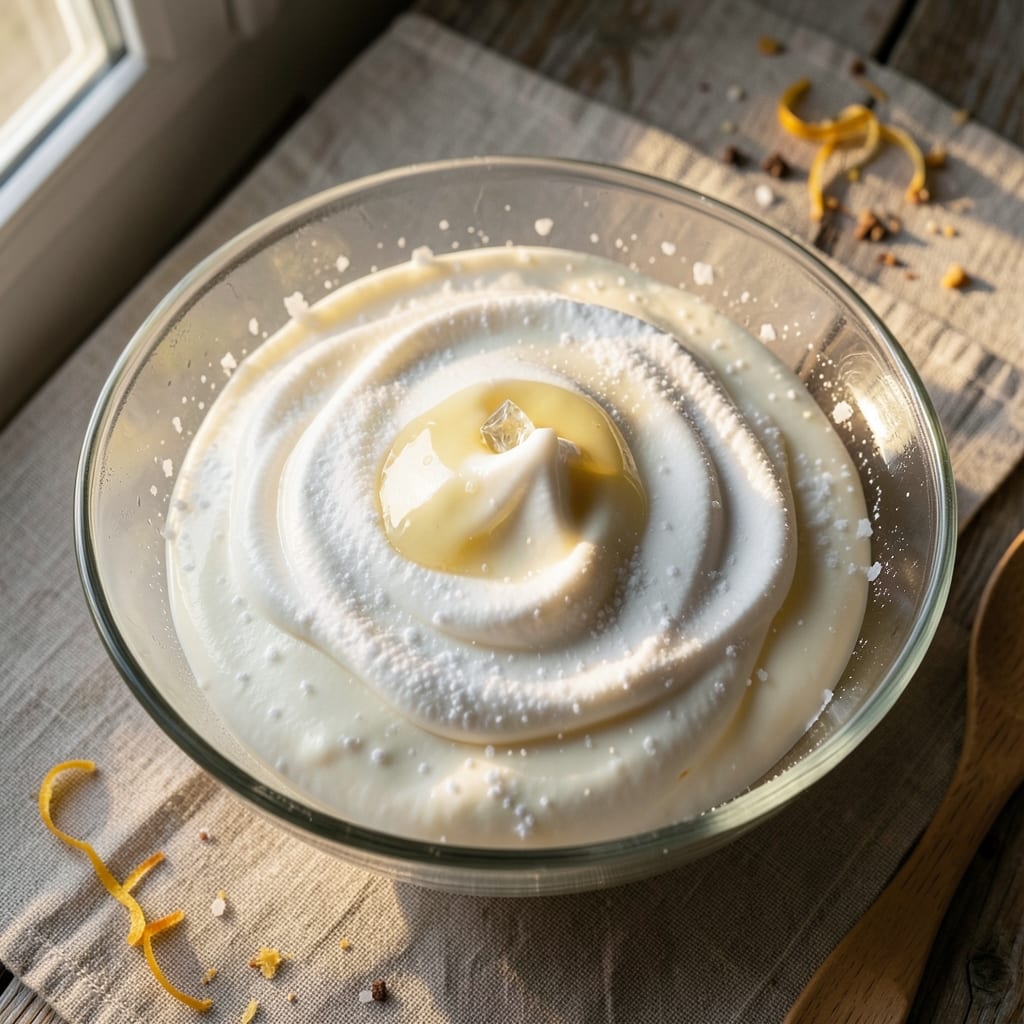
This cake icing recipe with egg white delivers light-as-air stability that won't weep or slide, perfect for multi-tiered cakes or delicate decorations. The secret lies in whipping egg whites to stiff peaks before carefully folding them into butter and powdered sugar, creating a frosting that stays put without sacrificing that signature silky texture. I perfected this technique after years of battling soggy cakes and melting icings—no more stressing over a wobbly finish.
The magic happens in two stages: first whipping the egg whites with a touch of cream of tartar for extra stability, then gently folding in the butter and sugar to maintain that airy structure. This method works beautifully with vanilla or butter cakes, where the neutral base lets the frosting shine. The result is a frosting that pipes smoothly, holds its shape, and creates that professional bakery finish you've always wanted.
What sets this recipe apart is the foolproof technique that eliminates common frosting failures—no more weeping, no more sliding, and no more last-minute panics before serving. The egg whites create a natural stabilizer, while the butter and sugar provide that classic cake frosting richness. Chill the frosting for 30 minutes before decorating to ensure perfect consistency every time.
This frosting pairs especially well with vanilla or butter cakes, but you can also use it for cupcakes, layer cakes, or even as a filling for filled cakes. The recipe makes enough for a standard 8-inch two-layer cake, with leftovers that keep beautifully in the refrigerator for up to 5 days. Let's create a frosting that's as impressive as it is easy to make.
Ingredients for cake icing recipe with egg white
Seven key ingredients create the perfect stable, light-as-air cake icing that won't weep or slide.
| Ingredient | Amount | Notes |
|---|---|---|
| Large Egg Whites 🥚 | 5 whole | Room temperature, no yolks |
| Unsalted Butter 🧈 | 1 cup | Cold, cubed for folding |
| Powdered Sugar 🍚 | 4 cups | Sifted for smooth texture |
| Cream of Tartar 🧂 | ¼ tsp | For extra stability |
| Vanilla Extract 🌿 | 1 tsp | Pure vanilla preferred |
| Salt 🧂 | ⅛ tsp | Fine sea salt |
| Vanilla Cake 🍰 | 1 whole | 8-inch two-layer base |
| Heavy Whipping Cream 🥛 | ½ cup | Optional for extra richness |
The egg whites are the foundation—room temperature is crucial for proper whipping. Kirkland brand or store-brand butter works perfectly for folding, but avoid salted varieties. Powdered sugar should be sifted to prevent graininess, and Domino brand is my go-to for consistent results. The cream of tartar is non-negotiable for stability—it mimics the acidity of lemon juice in meringues. For vanilla extract, McCormick Pure Vanilla is reliable, but any pure extract will work. The cake should be fully cooled before frosting to prevent melting.
No cream of tartar? Lemon juice at half the amount works in a pinch, though it may slightly alter flavor. Butter too warm? Chill it 15 minutes before folding. Powdered sugar substitute? Confectioners' sugar is identical, but granulated sugar whipped with cornstarch can mimic texture. For extra richness, add 2 tbsp whipped cream at the end. The vanilla cake can be store-bought or homemade—just ensure it's fully cooled to prevent frosting from sliding. If you don't have vanilla extract, vanilla bean paste adds depth without extra liquid.
Store leftover frosting in an airtight container for up to 5 days in the fridge. For longer storage, freeze portions for 3 months—thaw at room temperature before use. The cake itself keeps 3 days refrigerated or 1 month frozen. Chill frosting 30 minutes before decorating to ensure perfect consistency. For multi-tiered cakes, pipe layers sequentially and stack immediately to maintain stability. The frosting thickens as it chills, so adjust piping bags accordingly.
Why You'll Love This Recipe
- Stable & Silky Smooth: I swear by this—no lumps, no graininess, just that perfect glossy finish. The egg whites and cream of tartar create a meringue-like base that whips up lighter than store-bought, and the butter melts in like a dream.
- Vanilla Kicks It Up: That little splash of vanilla extract? It’s not just flavor—it’s the secret to making this icing taste homemade. Honestly, it’s the difference between "good enough" and "oh wow, this is actually delicious."
- Crowd-Pleaser Flex: Birthday cake, cupcakes, or even frosting cookies for a school bake sale—this icing does it all. Between us, I’ve used it on everything from red velvet to lemon cake, and no one ever asks what’s in it.
- Pantry Magic: You’re already using stuff you have—egg whites, butter, powdered sugar. No weird stabilizers, no fancy gadgets. I’ll be real: the first time I made this, I had leftover icing for a week, and it stayed perfect the whole time.
Step-by-step instructions for light-as-air egg white icing
Master this technique for a flawless, stable icing that stays put without weeping or sliding.
Prepare Egg Whites for Maximum Stability
Separate the 5 whole large egg whites into a spotless, grease-free bowl. Room temperature is crucial—this ensures even whipping and better volume. Add the 0.25 teaspoon cream of tartar and 0.125 teaspoon salt to the egg whites. The cream of tartar acts as a stabilizer, preventing the icing from deflating later.
Use a hand mixer or stand mixer with the whisk attachment to beat the egg whites on medium-high speed until soft peaks form. This typically takes about 2-3 minutes. You'll see the mixture thicken noticeably and hold its shape when the whisk is lifted. Don't rush this step—properly whipped egg whites are the foundation of a stable icing.
Gradually Add Powdered Sugar for Smooth Texture
With the mixer still running, gradually add the 4 cups powdered sugar through a fine-mesh sieve. Sifting prevents clumps that can ruin the smooth texture. Add about ½ cup at a time, mixing on low speed between additions. This slow incorporation prevents the sugar from weighing down the egg whites too quickly.
After adding all the sugar, increase the speed to high and whip for an additional 3-4 minutes until the mixture is thick, glossy, and holds stiff peaks. The icing should be light enough to spread easily but firm enough to hold its shape on the cake. If it's too thin, whip for another 30 seconds—this is normal as the sugar dissolves completely.
Incorporate Butter for Richness and Stability
Reduce the mixer speed to low and add the 1 cup cold cubed butter, one cube at a time. The butter should be cold to prevent melting, which can cause the icing to separate. After each addition, mix until fully incorporated before adding the next cube. This gradual process ensures the butter blends smoothly without breaking down the egg white structure.
Once all the butter is incorporated, increase the speed to medium and whip for 2-3 minutes until the mixture is completely smooth and creamy. The icing should now have a mousse-like consistency—light enough to spread but thick enough to hold its shape. If it looks slightly grainy, whip for another 30 seconds to emulsify fully.
Add Vanilla and Optional Cream for Flavor
With the mixer on low speed, add the 1 teaspoon vanilla extract and mix until fully combined. If using the 0.5 cup heavy whipping cream, add it now and mix on medium speed for 1-2 minutes until fully incorporated. The cream adds richness but isn't essential—omit it if you prefer a lighter icing.
Taste the icing and adjust the sweetness if needed. If it tastes too sweet, you can add a pinch more salt to balance the flavor. The icing should be sweet but not cloying, with a clean vanilla finish. Transfer the icing to a piping bag fitted with a smooth tip or a spatula for spreading.
Apply to Cake for Perfect Coverage
Work quickly to prevent the icing from setting. Spread or pipe the icing onto the 1 whole vanilla cake in a single layer, starting from the center and working outward. Use a bench scraper to create clean edges if desired. The icing should cover the cake completely, reaching about ½ inch up the sides for a polished look.
For extra stability, chill the cake in the refrigerator for 15-20 minutes before serving. This allows the icing to set slightly, preventing it from sliding or weeping. The final result should be a smooth, glossy finish that stays put even in warm conditions—no soggy layers or messy drips in sight.
Pro Tips For Making Cake Icing Recipe With Egg White
- Whip Egg Whites Cold: Take your egg whites straight from the fridge—no room temp nonsense. Cold whites whip faster and hold their volume better, especially when you’re dealing with cream of tartar’s acidity. I used to let mine sit out, and my meringue would collapse halfway through.
- Melt Butter Slowly: Warm your butter in the microwave for 20-second bursts, stirring between each, until it’s just liquid—not hot, not greasy, just smooth. Dumping it straight from the fridge into the whites will shock them and deflate your whole batch. Trust me, this is the thing that matters most.
- Sift Powdered Sugar Twice: Don’t just dump that powdered sugar straight from the bag—sift it first, then sift it again into your bowl. Lumps in your icing mean grainy texture, and nobody wants that. I learned this the hard way after scraping a fork across a cake only to find gritty bits.
- Add Vanilla Last: Mix in vanilla extract right before you pipe or spread the icing—no waiting around. The alcohol in vanilla can weaken the structure over time, making your icing runny or sticky. Save it for the final step, and your cake will stay crisp and sharp.
Wine and beer pairings for these flavors
Sweet Dessert Wines
Pair this light, airy icing with Moscato d'Asti—its crisp acidity and delicate floral notes complement the vanilla without overpowering. I love serving it with a chilled glass of White Zinfandel for a crowd-pleasing option that balances sweetness with a touch of tartness. Both wines enhance the dessert's elegance while keeping the focus on the cake's texture. 🍷
Rich Chocolate Liqueurs
For a sophisticated touch, serve with Godiva Chocolate Liqueur or Baileys Irish Cream. These liqueurs add depth to the vanilla flavors in the icing and create a luxurious pairing. I recommend serving them chilled in small glasses alongside the cake for an after-dinner treat. A splash of liqueur in coffee also makes a perfect dessert pairing. 🍫
Creamy Beer Pairings
A Belgian Witbier like Hoegaarden cuts through the richness of the icing with its citrusy notes and effervescence. For a darker option, try a Belgian Dubbel like Westmalle Dubbel—its caramel and spice notes harmonize beautifully with the vanilla and butter. Both beers provide a refreshing contrast to the sweet frosting. 🍺
Coffee and Tea Pairings
Finish the meal with a vanilla latte or espresso to enhance the icing's flavors. The bitterness of coffee balances the sweetness perfectly. For tea lovers, a chamomile or Earl Grey with a splash of milk adds a soothing contrast. I often serve a small cup of hot tea alongside the cake for a cozy, comforting pairing. ☕
Seasonal Adaptations
In summer, pair with sparkling rosé to refresh the palate. For winter, opt for Port wine or mulled wine to complement the richness. These seasonal choices elevate the dessert experience while keeping it versatile for any occasion. The key is matching the wine's or drink's intensity to the frosting's light yet creamy texture. 🍇
Nutrition facts
Frequently asked questions
Why does this egg white frosting stay stable without weeping?
The secret lies in the cream of tartar and proper whipping technique. This acid stabilizes the egg whites, creating a structure that holds its shape. Chilling the frosting for 30 minutes before decorating further prevents sliding or melting. The butter is added cold and folded gently to maintain airiness.
Can I make this frosting without cream of tartar?
Yes! Use 0.125 teaspoon lemon juice instead—it works almost as well. For best results, add it with the egg whites at the start. Without either, your frosting may be slightly less stable, but it'll still hold together if you chill it properly. The key is patience during whipping.
How do I fix lumpy frosting after mixing?
Don't panic! If you see lumps after adding butter, simply whip the frosting on high speed for 1-2 minutes—the heat from the mixer will melt any butter clumps and smooth it out. For sugar lumps, sift your powdered sugar next time or whisk vigorously to dissolve them. The frosting should become silky smooth again.
Will this frosting work for cupcakes?
This recipe makes enough for 12-15 cupcakes. Pipe or spread it directly onto cooled cupcakes, then chill for 15 minutes before serving. The frosting holds beautifully on cupcakes too—just avoid overfilling the piping bags to prevent collapse. Perfect for parties or special occasions!
Can I color this frosting for special occasions?
Yes, but use gel food coloring only—liquid dyes can make the frosting too thin. Add a few drops at a time while mixing on low speed, then whip for 30 seconds to distribute evenly. Start with less color than you think you'll need, as it's easier to add more than remove. The egg white base makes colors vibrant and true.