
Desserts
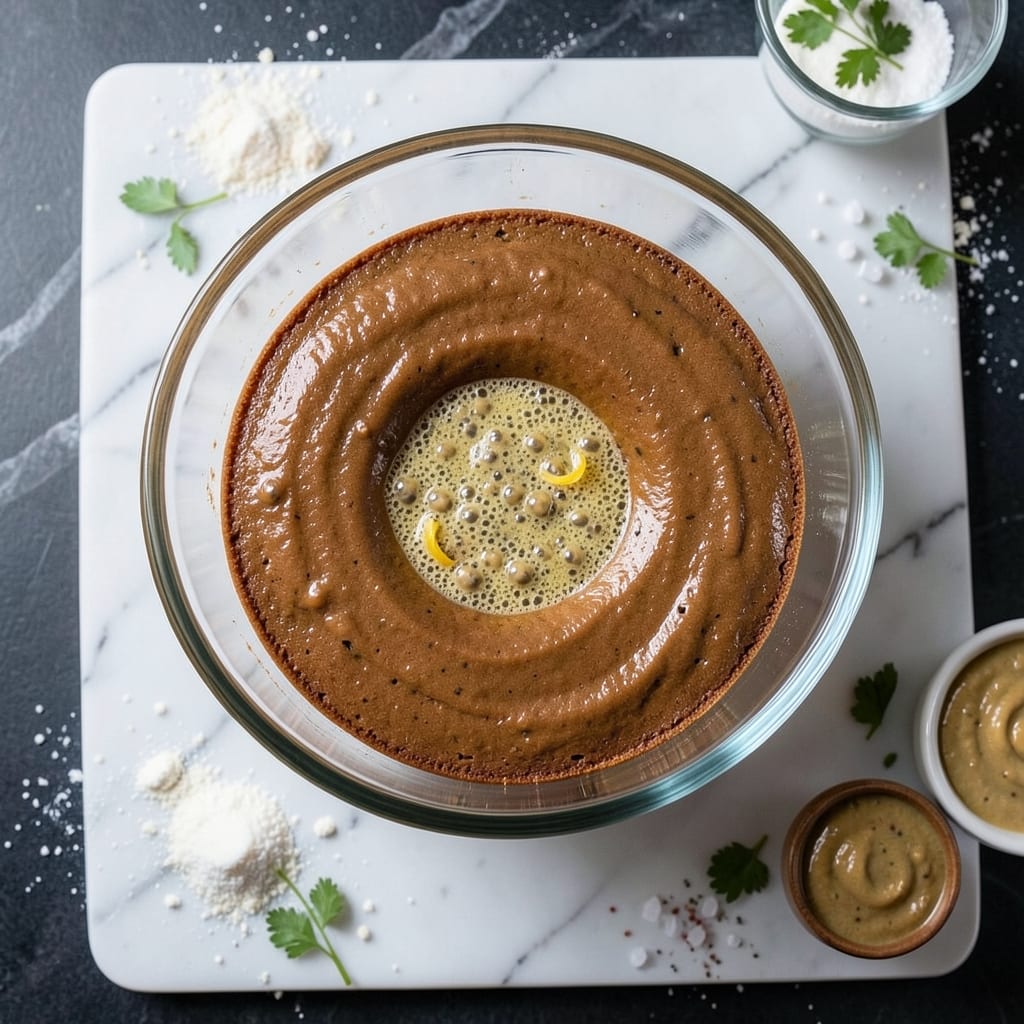
This cake recipe without egg and oven delivers moist, fluffy layers using simple pantry staples and a stovetop steam method. The secret lies in aquafaba (chickpea brine) as an egg substitute, which creates airy texture without traditional baking. I developed this after realizing how many people need oven-free desserts—whether due to dietary restrictions, limited kitchen tools, or simply craving cake without turning on the heat.
The magic happens in the steam process, where the cake cooks gently in a covered pot, absorbing moisture perfectly. Flaxseed "eggs" add structure while keeping it naturally sweet and plant-based. This method works with basic ingredients you likely already have: flour, sugar, baking powder, and a few pantry staples that transform into a tender, cake-like dessert.
What you'll end up with is a moist, slightly dense cake with a delicate crumb—ideal for those who prefer texture over ultra-light baked goods. The steam method ensures even cooking, and the flavor stays rich and satisfying. Perfect for vegans, egg-free diets, or anyone without oven access, this recipe proves you don't need traditional baking to enjoy homemade cake.
Serve warm with fruit compote or a dusting of powdered sugar for an elegant finish. The best part? No preheating, no oven, and just 15 minutes of active time. Let's get started on this game-changing dessert!
Ingredients for cake recipe without egg and oven
Pantry staples meet stovetop magic for a moist, egg-free cake without oven heat.
| Ingredient | Amount | Notes |
|---|---|---|
| All-Purpose Flour 🌾 | 1 ½ cups | Sifted for even texture |
| Granulated Sugar 🍚 | ¾ cup | White or brown preferred |
| Baking Powder 🧂 | 1 ½ tsp | Ensures proper rise |
| Salt 🧂 | ½ tsp | Fine sea salt preferred |
| Aquafaba (Chickpea Brine) 🌱 | ½ cup | From 1 can chickpeas |
| Ground Flaxseed 🌾 | 1 ½ tbsp | Mixed with water for eggs |
| Vanilla Extract 🌿 | 1 tsp | Pure vanilla preferred |
| Vegetable Oil 🫒 | ¼ cup | Light olive or canola |
| Water 💧 | ½ cup | Room temperature preferred |
| Powdered Sugar 🍚 | ¼ cup | For dusting (optional) |
| Lemon Juice 🍋 | 1 tbsp | Freshly squeezed |
| Cinnamon 🌶️ | ¼ tsp | Ground for warmth |
The aquafaba is the star here—save the brine from a can of chickpeas (any brand works) and whisk it until frothy. Bob’s Red Mill ground flaxseed is my go-to for flax eggs, but any brand will work. For the flour, King Arthur or Gold Medal are reliable choices, but don’t overthink it—any all-purpose flour in your pantry will do. The baking powder needs to be fresh: if it’s older than 6 months, toss it and grab a new 16-ounce box from the supermarket. Pre-sifted flour can save time, but if you’re using regular flour, take the extra minute to sift it—it makes all the difference in texture.
No aquafaba? 1 tbsp cornstarch mixed with 3 tbsp water works in a pinch, though texture won’t be as light. Swap brown sugar for white if you prefer, but the moisture level will shift slightly. Vegetable oil is key here—if you’re using olive oil, stick to a light variety to avoid overpowering flavors. The lemon juice brightens the whole cake, so if you’re out, orange juice at half the amount works too. For extra richness, add 1 tbsp coconut milk to the batter. And if you’re feeling fancy, a pinch of cardamom alongside the cinnamon adds depth—just don’t skip the salt, even if it’s just a tiny taste test.
This batter keeps in the fridge for up to 3 days, covered tightly. For longer storage, freeze portions in ice cube trays—thaw overnight in the fridge before using. The cake reheats beautifully: wrap in foil and steam for 5 minutes on the stovetop, or microwave for 20 seconds if you’re in a rush. Serve warm with a sprinkle of powdered sugar or a drizzle of maple syrup for that classic cake finish. Leftovers? Store in an airtight container for 3 days—it actually tastes better the second day as the flavors meld.
Why You'll Love This Recipe
- No-Fuss Mixing: I swear by this recipe because it’s three ingredients plus water—literally. Just fold the whipped aquafaba into the dry mix until smooth, no eggs to separate, no measuring yolks. It’s the kind of recipe that makes me laugh because I’ve ruined cakes before, but this one forgives every mistake.
- Secretly Moist: That aquafaba trick? It’s the game-changer. The cake stays tender and just sweet without tasting like sugar overload—honestly, it’s the kind of moistness that makes you forget it’s egg-free. The sugar caramelizes just enough to give it that subtle depth.
- Pantry Powerhouse: Between us, I’ve made this for birthday cakes, potlucks, and even as a dessert for my book club—no one bats an eye. The batter’s stable enough to prep ahead, and the texture holds up whether you serve it warm or at room temp. (Yes, even on a Tuesday night.)
- Budget Baking: I’m always hunting for ways to stretch my grocery budget, and this recipe nails it. A can of chickpeas gives you aquafaba and a side dish—no extra cost. Plus, the ingredients are basic enough that I never overpay, but the result? Ridiculously good cake that doesn’t break the bank.
Step-by-step instructions for stovetop steam-puffed cake
This method delivers a light, moist cake without eggs or an oven—just simple stovetop technique.
Create the Flaxseed Egg Substitute
In a small bowl, combine the 1.5 tablespoons ground flaxseed with the 0.5 cup water. Stir well and let sit for 5 minutes until it thickens into a gel-like consistency—this replaces eggs by binding ingredients together. I press the mixture between my fingers to check readiness; it should hold its shape without being sticky.
While waiting, measure the 0.5 cup aquafaba from the chickpea brine into a separate bowl. This liquid provides moisture and airiness, mimicking egg whites' lightening effect. If your aquafaba has foam on top, skim it off for better volume. The combination of flax gel and aquafaba creates the perfect egg substitute for this cake.
Mix Wet and Dry Ingredients Separately
In a large mixing bowl, whisk together the 0.75 cup granulated sugar, 0.25 cup vegetable oil, 1 teaspoon vanilla extract, 1 tablespoon lemon juice, and the 0.25 teaspoon cinnamon. This mixture should be smooth with no visible sugar grains—sugar dissolves completely when properly mixed. The lemon juice brightens the flavor while balancing the sweetness.
In another bowl, sift the 1.5 cups all-purpose flour with the 1.5 teaspoons baking powder and 0.5 teaspoon salt. Sifting prevents lumps and ensures even distribution of leavening agents. The baking powder is crucial here—it creates the rise we'd normally get from eggs and oven heat. Keep these dry ingredients separate until ready to combine.
Combine and Steam the Cake
Gently fold the flaxseed gel and aquafaba into the wet ingredients using a spatula, being careful not to create too many bubbles. Then, gradually add the dry ingredients while folding just until combined—overmixing develops gluten and makes the cake dense. The batter should be thick but pourable, similar to pancake batter.
Transfer the batter to a well-greased 8-inch round cake pan (I use vegetable oil and line the bottom with parchment paper). Place the pan on the stove over medium-low heat and cover tightly with a lid or aluminum foil. Keep the heat at medium-low—too high causes uneven cooking, while too low results in a gummy center.
Steam Cook to Perfect Moistness
Steam the cake for 20-25 minutes, checking for doneness by inserting a toothpick into the center. It's done when the toothpick comes out clean with no wet batter clinging to it. The cake should spring back slightly when pressed gently in the center—this indicates proper moisture without sogginess.
During the last 5 minutes, I like to tent the pan with foil to prevent the top from browning too quickly. Remove from heat and let the cake rest in the pan for 10 minutes before inverting onto a wire rack. This resting period allows the steam to redistribute, ensuring even moisture throughout. Dust with 0.25 cup powdered sugar if desired for a delicate finish.
Serve Warm for Maximum Moisture
Slice the cake while still warm for the most tender texture. The steam method preserves moisture better than oven baking, resulting in a cake that stays soft for hours. Serve with fresh berries or a dollop of whipped coconut cream for contrast. The lemon and cinnamon notes shine through when served immediately, making each bite bright and flavorful.
This cake keeps well at room temperature for 2 days in an airtight container, though I recommend eating it fresh for the best texture. The stovetop method might seem unusual, but it delivers consistently moist results without requiring an oven—perfect for small kitchens or impromptu baking needs.
Pro Tips For Making Cake Recipe Without Egg And Oven
- Whisk Aquafaba First: Don’t just dump the chickpea brine into your batter—whip it alone until it forms stiff peaks, like you would egg whites. I learned this the hard way: skipping this step leaves your cake dense and gummy. Use a hand mixer for 3-5 minutes until it holds its shape when you lift the whisk.
- Measure Aquafaba Precisely: The brine from a 15-ounce can of chickpeas yields about ½ cup of liquid—use that exact amount. Too little? Your cake won’t rise. Too much? It’ll sink. If you’re unsure, weigh it: 120 grams of aquafaba equals ½ cup. No guessing.
- Fold Dry Ingredients Gently: When combining the whipped aquafaba with your flour mixture, use a spatula to fold in a third of the flour first, then the rest. Dumping it all in collapses the air you just whipped into the aquafaba. Think "gentle rain," not "dump-and-stir."
- Steam, Don’t Boil: If you’re baking this on the stovetop (like a steamed cake), keep the water at a simmer—not a rolling boil. Too much heat warps your pan and turns the bottom rubbery. A steady, gentle steam is all you need, and it cooks evenly. Trust the low heat.
Essential equipment for this dish
Steam-Pan Essentials
You’ll need a heavy-bottomed 8-inch round cake pan for even heat distribution—I recommend USA Pan or Wilton for their non-stick properties. The pan must have a tight-fitting lid or aluminum foil to trap steam effectively. If your pan lacks a lid, use heavy-duty foil secured with a rubber band to prevent leaks. The pan should be well-greased with vegetable oil or lined with parchment paper to prevent sticking. A wire rack is also essential for cooling the cake after steaming. 🌱
Stovetop Heat Control
Precise temperature control is key—use a digital thermometer like Thermoworks Thermapen to monitor your stovetop heat. Aim for medium-low heat (around 300°F), as too high a temperature burns the bottom while the center stays undercooked. A gas stove gives better control than electric, but if you’re on electric, use the back burner for more consistent heat. I always test the heat by sprinkling a few drops of water—if they sizzle gently, you’re at the right temperature. ⚡
Foil and Lid Alternatives
If you don’t have a lid, double-layered heavy-duty foil works perfectly—just press it tightly against the pan’s edges to seal in steam. For extra insurance, place a damp paper towel on top of the foil to maintain moisture. A steamer basket (like those used for veggies) can also work if placed over a pot of simmering water, though it requires more monitoring. The goal is to create a sealed environment that mimics oven steam without direct heat. 💫
Mixing and Measuring Tools
Use a medium-sized mixing bowl (at least 3-quart capacity) for combining ingredients, and a flexible silicone spatula to fold without overmixing. A whisk helps dissolve sugar smoothly, and a small ramekin works well for making the flaxseed egg substitute. For measuring, a liquid measuring cup (for aquafaba and water) and a dry measuring cups set (for flour and sugar) are must-haves. Pre-sifted flour saves time, but if you’re sifting manually, a fine-mesh sifter like OXO Good Grips makes the job easier. 🌾
Optional Upgrades
For a professional touch, invest in a cake tester (like OXO Good Grips) to check doneness without piercing the cake multiple times. A kitchen scale ensures precise measurements, especially for ingredients like flaxseed and baking powder. If you love citrus notes, a zester helps maximize lemon flavor. For serving, a dusting shaker (like Norpro) makes powdered sugar application effortless. These tools aren’t mandatory, but they elevate the process. ✨
Nutrition facts
Frequently asked questions
Can I make this cake without aquafaba?
Yes! If you don't have aquafaba, substitute with 1 tbsp cornstarch mixed with 3 tbsp water or 0.5 cup unsweetened applesauce. The texture will be slightly denser but still delicious. For best results, use these substitutes right away—they work best fresh.
Why does my cake turn out too dense?
Overmixing the batter develops gluten, making the cake dense. Fold ingredients gently and stop as soon as everything is combined. Also ensure your baking powder is fresh (6 months or less) and use medium-low heat for even cooking. A toothpick test (clean when inserted) confirms doneness.
Can I use this method for other cake flavors?
Swap vanilla for almond extract, cocoa powder, or citrus zest to customize flavors. Chocolate cakes work well—add 0.25 cup cocoa powder to the dry ingredients. For spiced cakes, try ginger or nutmeg instead of cinnamon. The steam method adapts beautifully to variations!
How do I store leftovers?
Keep the cake in an airtight container at room temperature for up to 2 days. For longer storage, freeze portions in ice cube trays, then transfer to a bag. Thaw overnight in the fridge before serving. Reheat slices in the microwave for 10-15 seconds or steam for 3 minutes to restore moisture.
What if I don't have a cake pan?
Use a small oven-safe skillet or even a heavy-bottomed saucepan with a tight lid. Line the bottom with parchment paper and grease well. The key is maintaining a sealed environment to trap steam. A steamer basket over simmering water also works—just monitor closely for even cooking.