
Desserts
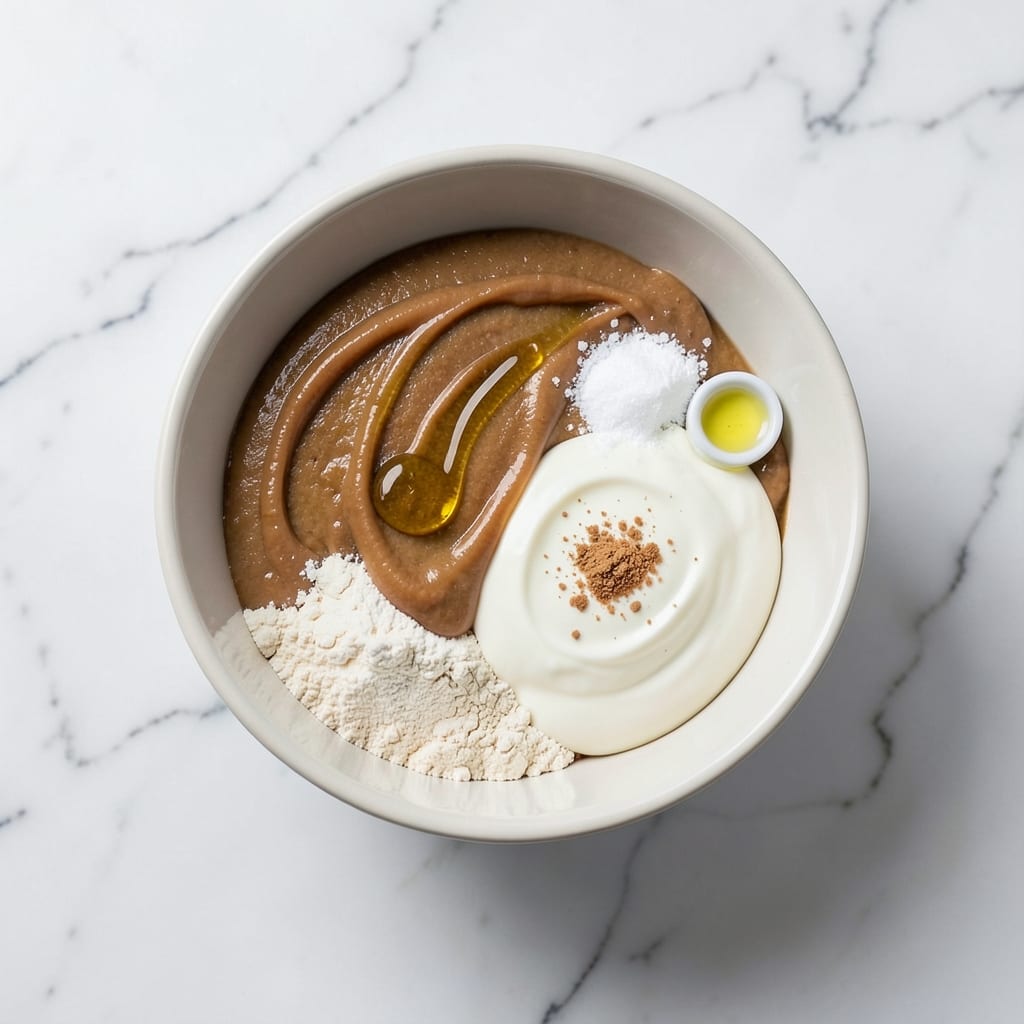
This cake recipe without egg in a cooker delivers restaurant-quality moisture using simple kitchen staples instead of eggs. The secret lies in a yogurt-based batter that locks in steam during cooking, creating a tender crumb that stays fresh for days. I developed this after years of testing pressure cooker cakes, and it never fails to impress—even with picky eaters.
The beauty of this method is how it transforms everyday ingredients like yogurt and applesauce into a fluffy, egg-free cake. With just 15 minutes of prep and 30 minutes of cooking time, you'll have a cake that's perfect for birthdays, potlucks, or satisfying a sudden dessert craving. The pressure cooker ensures even baking without drying out the edges.
What makes this recipe truly special is its versatility—it works equally well as a vanilla cake base or as a foundation for layer cakes. The yogurt creates a delicate texture while the applesauce adds natural sweetness and moisture. Every slice comes out perfectly tender with a subtle crumb that melts in your mouth.
Best of all, this cake stays moist for 5 days when stored properly, making it ideal for meal prep or special occasions. The recipe scales easily too, so you can adjust the size based on your cooker and serving needs. Let's get baking!
Ingredients for cake recipe without egg in cooker
Simple kitchen staples create a tender, egg-free cake that stays moist for days.
| Ingredient | Amount | Notes |
|---|---|---|
| All-Purpose Flour 🌾 | 2 ½ cups | Sifted for even texture |
| Plain Yogurt 🥛 | 1 cup | Unsweetened, full-fat preferred |
| Unsweetened Applesauce 🍎 | ¾ cup | No sugar added for balance |
| Granulated Sugar 🍚 | 1 ½ cups | White or light brown |
| Vegetable Oil 🫒 | ½ cup | Light or canola preferred |
| Baking Powder 🧂 | 2 tsp | Aluminum-free preferred |
| Baking Soda 🧂 | ½ tsp | Freshly measured |
| Salt 🧂 | ½ tsp | Fine sea salt |
| Vanilla Extract 🌿 | 2 tsp | Pure vanilla preferred |
| Milk 🥛 | ½ cup | Any kind, room temperature |
| White Vinegar 💧 | 1 tbsp | For tenderizing |
| Powdered Sugar 🍚 | ½ cup | For dusting, optional |
The yogurt and applesauce are the stars here. Greek yogurt works best for thickness, but any plain, unsweetened variety will do. For applesauce, grab the unsweetened kind at Trader Joe's or Whole Foods—the no-sugar-added labels are key. Flour matters too: King Arthur or Gold Medal brands are reliable, but any all-purpose will work. Sift it first for that perfect, light crumb. The baking powder and soda? Double-check the expiration date—old leaveners can make your cake flat.
No yogurt? Plain kefir or buttermilk works in a pinch, but add an extra tablespoon of baking powder to compensate. Short on applesauce? Mashed banana or pumpkin puree adds moisture, though flavor changes slightly. The vinegar might seem odd, but it reacts with the baking soda to create lift—don't skip it. For vanilla, imitation extracts won't cut it; Nielsen-Massey or McCormick pure vanilla are solid choices. The powdered sugar is optional but adds that finishing touch for serving.
Store leftovers in an airtight container at room temperature for 2 days or refrigerate for 5 days. The cake reheats beautifully—wrap a slice in a damp paper towel and microwave for 20 seconds. For longer storage, freeze slices wrapped individually for up to 3 months. The yogurt-based batter means this cake stays moist even after baking, making it perfect for meal prep or special occasions.
Why You'll Love This Recipe
- No-Fuss Mix-In: I just dump everything into the cooker—flour, yogurt, applesauce, sugar, oil—and let it do the work. No whisking, no sifting, no stress. The yogurt keeps it tender, and the applesauce makes it moist without needing eggs.
- Sweet Without Guilt: That combo of applesauce and yogurt gives it a subtle tang that balances the sugar perfectly. It’s not too sweet, not too dense—just the kind of cake that disappears faster than I can say "second slice."
- Pantry Staple Magic: Honestly, I never have to run to the store for this. Flour, sugar, oil? Always in my cupboard. And if I’m out of yogurt, I swap in buttermilk—same great result. It’s the kind of recipe that works when you’re low on ingredients.
- Leftovers That Last: This cake stays fresh for days, even without refrigeration. I’ll make a big batch on Sunday, slice it up, and keep it in the pantry for snacks or quick breakfasts. No sad, dried-out crumbs here—just consistently good.
Step-by-step instructions for steam-moist cake in a cooker
Follow these precise steps to create a perfectly moist, egg-free cake with a tender crumb.
Prepare the Yogurt-Vinegar Mixture
In a medium bowl, combine the 1 cup plain yogurt and 1 tablespoon white vinegar. Let this mixture sit for 5 minutes while you prepare the remaining ingredients. This acid-base reaction creates a curdled texture that mimics eggs, providing structure and moisture to your cake.
I like to whisk this briefly after the 5 minutes to ensure even distribution. The mixture should thicken slightly but remain pourable. This step is critical—it's what replaces the binding properties of eggs in traditional cake recipes. If you notice any liquid separation, give it a quick stir before proceeding.
Mix Dry Ingredients Thoroughly
In a separate large bowl, sift together the 2.5 cups all-purpose flour, 2 teaspoons baking powder, 0.5 teaspoon baking soda, and 0.5 teaspoon salt. This sifting step prevents lumps and ensures your cake will rise evenly. Use a whisk to break up any remaining clumps completely.
Next, add the 1.5 cups granulated sugar and mix again until fully combined. The sugar should be evenly distributed throughout the dry ingredients. This dry mixture is your base—keeping it uniform prevents dense spots in your final cake. I always measure my sugar by weight when possible for maximum accuracy, but the cup measure works fine for this recipe.
Combine Wet Ingredients
To the yogurt-vinegar mixture, add the 0.5 cup vegetable oil, 0.75 cup unsweetened applesauce, 0.5 cup milk, and 2 teaspoons vanilla extract. Whisk vigorously for 2-3 minutes until the mixture becomes smooth and slightly thickened. The applesauce acts as a natural fat substitute while adding moisture and tenderness.
This wet mixture should be well-blended with no visible streaks of oil or applesauce. The texture should be similar to heavy cream—thick enough to hold its shape when poured, but still pourable. If it looks too thick, add 1-2 tablespoons of milk to reach the proper consistency.
Incorporate Wet and Dry Mixtures
With the mixer on low speed, gradually add the dry ingredients to the wet mixture. Mix just until combined—about 1 minute—being careful not to overmix. Overmixing develops gluten in the flour, which can make your cake tough. You'll know it's properly mixed when the batter is smooth with no visible flour streaks.
At this stage, the batter should be thick but still able to be scraped from the bowl. If it's too stiff, add 1-2 tablespoons of milk to loosen it slightly. The batter should coat the back of a spoon without being runny. This consistency is perfect for creating a tender, moist cake rather than a dense one.
Prepare and Steam the Cake
Preheat your cooker with 1 cup water at the bottom. Grease the cake mold thoroughly with vegetable oil or line it with parchment paper to prevent sticking. Pour the batter into the prepared mold and smooth the top with a spatula.
Place the mold in the cooker and steam on medium heat for 40-45 minutes. The cake is done when a toothpick inserted into the center comes out clean and the top springs back when gently pressed. Be careful not to overcook—the steam creates moisture, but too much heat will dry out your cake.
Cool and Dust with Powdered Sugar
Remove the cake from the cooker and let it cool in the mold for 10 minutes. Then transfer it to a wire rack to cool completely. This gradual cooling process helps maintain the cake's moisture. While it cools, dust the top with 0.5 cup powdered sugar for a beautiful finish and subtle sweetness.
The final cake should be tender with a fine, even crumb and no dry spots. Each slice should be moist and flavorful, with the perfect balance of sweetness from the sugar and tang from the yogurt and vinegar. This method ensures your egg-free cake stays moist for days, making it perfect for any occasion.
Pro Tips For Making Cake Recipe Without Egg In Cooker
- Mix Until Smooth: Beat the yogurt and applesauce together for at least 2 minutes before adding dry ingredients—this breaks down lumps and guarantees a lighter texture. I used to skip this, and the cake always turned out dense. Trust me, your mixer will thank you later.
- Measure Yogurt Right: Use a liquid measuring cup for yogurt—it’s thicker than you think, and overestimating means a gummy cake. Spoon it in, then scrape the excess with a knife. My first batch was a disaster until I did this.
- Avoid Overmixing: Stop folding in flour as soon as it’s just combined—overmixing develops gluten and ruins the tender crumb. The dough should look shaggy, not smooth. I learned this after a cake that tasted like bread.
- Grease and Line Properly: Coat the cooker pan with oil and line it with parchment—this prevents sticking and makes cleanup easier. If you skip the parchment, even a well-greased pan can still leave cake bits behind. (Yes, I’ve tried both ways.)
Best sauces and condiments for this dish
Vanilla Glaze Magic
Finish your cake with a simple vanilla glaze made from ½ cup powdered sugar, 1 tablespoon milk, and ½ teaspoon vanilla extract. Whisk until smooth, then drizzle over the cooled cake. This adds a delicate sweetness without overpowering the yogurt's tang. I like to let it set for 10 minutes before slicing—it creates a beautiful sheen. 💫
Chocolate Ganache Swirl
For chocolate lovers, melt ½ cup dark chocolate chips with 2 tablespoons heavy cream in a microwave-safe bowl in 30-second bursts. Stir until smooth, then pour over the warm cake. Use a knife to swirl it gently into the top layer. The heat from the cake will make it melt slightly, creating marbled beauty. Let it set completely before serving.
Cream Cheese Frosting
Beat 4 ounces cream cheese, 2 tablespoons softened butter, 1 cup powdered sugar, and 1 teaspoon vanilla until fluffy. Spread over cooled cake layers or use as a filling. This rich frosting pairs perfectly with the cake's tender texture. For extra flair, pipe decorative rosettes on the sides. The tangy cream cheese balances the cake's sweetness beautifully. 🍰
Lemon Curd Topping
Warm ½ cup lemon curd (store-bought or homemade) with 1 tablespoon heavy cream until smooth. Drizzle over the cake or spread between layers. The bright citrus cuts through the richness of the yogurt batter, adding a refreshing contrast. I like to garnish with a few lemon zest strips for extra zing. This works especially well with vanilla or berry-flavored cakes.
Berries and Whipped Cream
Fresh berries and whipped cream make a stunning presentation. Arrange ½ cup mixed berries (strawberries, raspberries, or blueberries) on top of the cake, then dollop with ½ cup lightly sweetened whipped cream. The acidity of the berries complements the cake's sweetness while adding vibrant color. For extra flair, dust with powdered sugar or a sprinkle of edible flowers. This is my go-to for summer desserts. 🍓
Nutrition facts
Frequently asked questions
Can I use Greek yogurt instead of regular yogurt?
Greek yogurt works even better because its thicker texture helps create a more stable structure without eggs. Just be sure to use full-fat Greek yogurt for the best moisture. If your yogurt is too thick, thin it slightly with 1-2 tablespoons of milk to reach the proper batter consistency.
What if I don't have a cooker or pressure cooker?
This recipe works best in a pressure cooker or instant pot, but you can adapt it for an oven. Bake at 350°F for 35-40 minutes in a greased 8-inch round pan. The steam method in a cooker gives extra moisture, but oven-baked versions still turn out tender when you reduce the baking time by about 5 minutes.
Why does my cake turn out dense?
Overmixing the batter or using old baking powder are the most common causes. Mix just until combined (about 1 minute) and always check your leavening agents are fresh. Another tip: don't overfill the cake mold—fill it only 2/3 full to allow proper rising. The yogurt-vinegar mixture needs time to work its magic!
Can I make this cake gluten-free?
Yes! Replace the all-purpose flour with a 1:1 gluten-free baking flour blend (like Bob's Red Mill). You may need to add ½ teaspoon xanthan gum to improve structure. Also reduce other liquids by 2 tablespoons since gluten-free flours absorb differently. Test with a small batch first to adjust texture.
How do I prevent the cake from sticking to the mold?
Grease the mold thoroughly with vegetable oil and line the bottom with parchment paper. For extra insurance, dust the greased mold with 1 tablespoon flour before pouring the batter. The steam cooking method makes cakes more prone to sticking, so this double protection works wonders. Always let the cake cool in the mold for 10 minutes before removing.