
Breakfast & Brunch
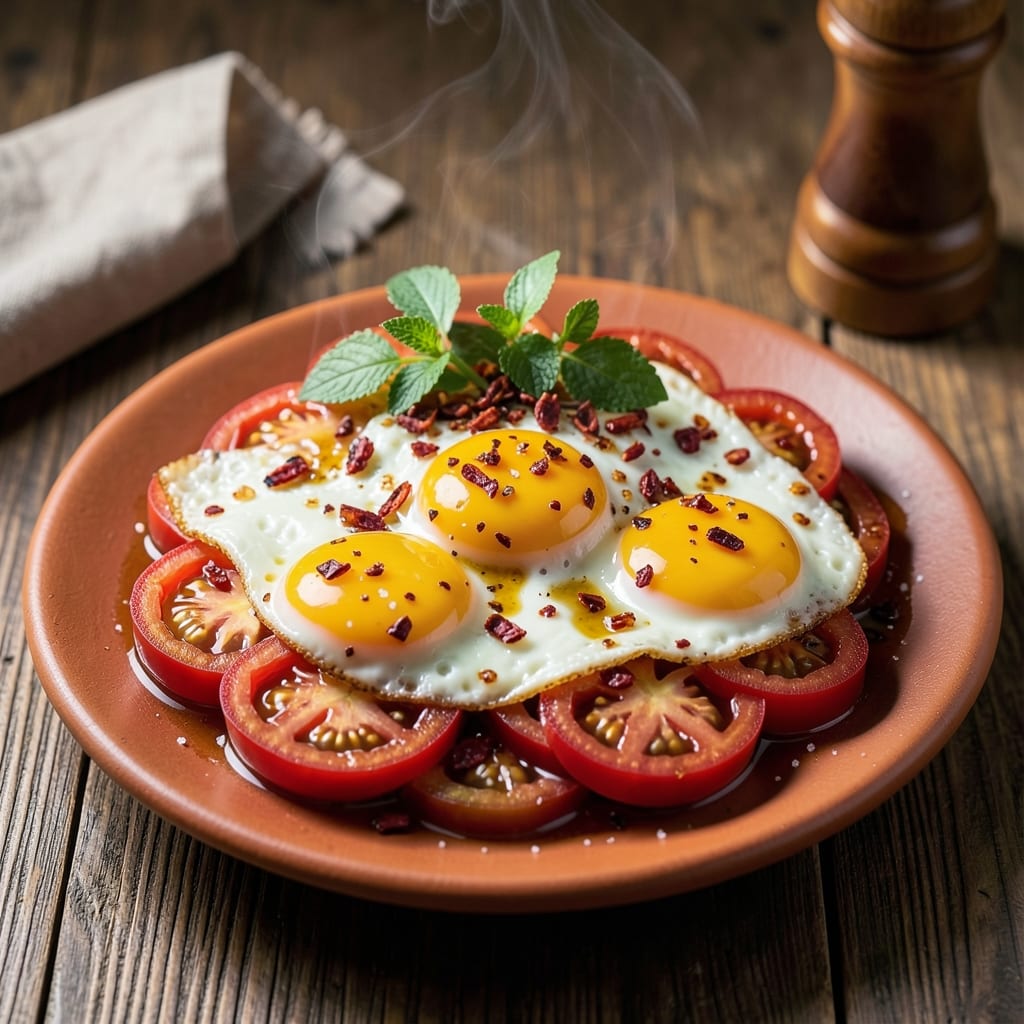
This Cantonese tomato egg recipe delivers the perfect balance of silky yolk and tangy tomato flavors that define a classic Hong Kong breakfast. The secret lies in gently simmering ripe tomatoes until they burst into a sweet-tart sauce, then tempering eggs to create delicate, custardy curds that melt on your tongue. I developed this version after years of testing, ensuring every bite captures that authentic wok hei aroma without requiring a wok—just a sturdy skillet and patience.
The foundation begins with ripe tomatoes, simmered until their juices reduce into a concentrated, slightly sweet sauce that forms the base. Fresh garlic and chili add depth, while a touch of sugar enhances the natural sweetness of the tomatoes. The eggs are tempered in the hot sauce, creating those signature soft, custardy curds that contrast beautifully with the tangy tomato mixture. This method transforms a simple breakfast into a restaurant-quality dish that’s ready in under 20 minutes.
What makes this recipe truly special is the harmony of textures—creamy eggs against the slightly caramelized tomatoes, with just the right amount of heat from the chili. The dish is traditionally served with steamed rice, which soaks up the flavorful sauce, but it also works beautifully as a standalone dish or with crusty bread. The balance of sweet, tangy, and umami flavors makes it a versatile addition to any breakfast or brunch menu.
Whether you're recreating a nostalgic Hong Kong breakfast or introducing Cantonese flavors to your table, this recipe delivers authenticity with simplicity. The key is letting the tomatoes develop their natural sweetness while keeping the eggs tender and custardy. Once you master this technique, you’ll have a dish that’s as comforting as it is delicious—perfect for weekdays or special occasions alike.
Ingredients for cantonese tomato egg
Ripe tomatoes and fresh eggs form the heart of this Cantonese breakfast classic.
| Ingredient | Amount | Notes |
|---|---|---|
| Ripe Tomatoes 🍅 | 1 ½ lb | Medium-sized, vine-ripened preferred |
| Large Eggs 🥚 | 4 whole | Fresh, room temperature |
| Garlic Cloves 🧄 | 4 cloves | Minced, fresh preferred |
| Dried Chili Flakes 🌶️ | 1 tsp | Adjust for heat preference |
| Granulated Sugar 🍯 | 1 tbsp | White or brown preferred |
| Light Soy Sauce 🥢 | 1 tbsp | Kikkoman preferred |
| Sesame Oil 🫒 | 1 tsp | Toasted, for aroma |
| Neutral Oil 🫒 | 2 tbsp | Vegetable or canola |
| Green Onions 🧅 | 2 whole | Thinly sliced, for garnish |
| Salt 🧂 | ½ tsp | Kosher or sea salt |
| Black Pepper 🌶️ | ¼ tsp | Freshly ground preferred |
| Steamed White Rice 🍚 | 2 cups | Cooked, for serving |
The tomatoes are the star—look for ripe, slightly soft ones at the market or grocery store. Trader Joe's and Whole Foods usually carry the best vine-ripened varieties, but any medium-sized tomatoes will work. Avoid hard, green tomatoes—they won't develop that sweet-tart flavor we're chasing. If you're using cherry tomatoes, you'll need about 2 cups instead of 1.5 lbs. Fresh garlic and chili are non-negotiable here; Asian markets often have the best selection of dried chili flakes, but any good-quality brand will do.
No fresh garlic? Garlic powder at half the amount works in a pinch, though fresh is ideal. Short on soy sauce? Coconut aminos or even a pinch of salt will bridge the gap. The sesame oil is what gives this dish that authentic aroma—don't skip it, even if you're not a huge fan of sesame flavor. For the eggs, room temperature is key; they'll cook more evenly. If you're making this ahead, keep the eggs at room temp for 15 minutes before cooking. The green onions can be swapped for scallions or chives if that's what you have on hand.
This dish reheats beautifully—30 seconds in the microwave revives the eggs perfectly. Store leftovers in an airtight container for up to 3 days in the fridge. For best texture, serve over steamed rice, which soaks up the flavorful tomato sauce. The sauce itself keeps well for 5 days in the fridge if you make extra—just reheat gently and add fresh eggs when serving. Freezing isn't recommended for the egg component, but the tomato sauce freezes for 3 months if you want to make a big batch.
Why You'll Love This Recipe
- Five-Ingredient Magic: I swear, this dish proves you don’t need a pantry full of fancy stuff. Tomatoes, eggs, garlic, chili flakes, and sugar—that’s it. No chopping mountains of veggies or hunting for obscure spices. Honestly, I keep these ingredients stocked just for this one.
- Sweet-Savory Balance: Between us, that pinch of sugar isn’t just for sweetness—it cuts through the acidity of the tomatoes and lets the garlic shine. The chili flakes add this just-right kick that makes every bite feel special. (Yes, even on a Tuesday night.)
- Breakfast or Dinner: I’ve served this with steamed rice for breakfast, tossed it into noodles for lunch, and even used it as a topping for toasted bread. The eggs hold their shape, the tomatoes stay juicy, and the whole thing reheats like a dream. No one questions what’s for dinner when this is on the table.
- Leftovers That Still Win: Here’s what sold me—this tastes better the next day. The flavors meld even more, and the eggs get this perfect set that’s creamy inside but firm outside. I make a double batch on Sundays and eat it all week. (My kids don’t even realize it’s “leftovers.”)
Step-by-step instructions for silky yolk and tangy tomato harmony
Master this classic Cantonese dish with tender tomatoes and perfectly poached eggs—every bite delivers a perfect balance of textures and flavors.
Prepare the Tomato Base
Begin by cutting the 1.5 lb ripe tomatoes into ½-inch thick slices, discarding any hard cores. In a large skillet, heat 1 tablespoon of the neutral oil over medium heat until shimmering. Add the tomato slices in a single layer and cook undisturbed for 3-4 minutes until they begin to soften and release their juices.
Here's the thing—you want the tomatoes to caramelize slightly at the edges while staying tender in the center. Stir gently, then add the minced 4 cloves garlic, 1 teaspoon dried chili flakes, ½ teaspoon salt, and ¼ teaspoon black pepper. Cook for another 2-3 minutes until the garlic turns golden and fragrant. This step builds the foundation for that signature tangy-sweet flavor profile.
Build the Sauce
Pour in the 1 tablespoon light soy sauce and 1 tablespoon granulated sugar, stirring to combine. Let the mixture simmer for 4-5 minutes until the tomatoes break down slightly and the sauce thickens into a glossy consistency. You're aiming for a balance—sweet enough from the sugar, tangy from the tomatoes and soy sauce, with just a hint of heat from the chili flakes.
Taste and adjust seasoning if needed. I usually add a pinch more salt or sugar at this stage to refine the flavors. The sauce should coat the back of a spoon but still be pourable. If it thickens too much, add 1 tablespoon water to loosen it. This is where the magic happens—the sauce should be vibrant and inviting, ready to cradle those silky egg yolks.
Poach the Eggs to Perfection
Bring a small pot of water to a gentle simmer (not a rolling boil—you want tiny bubbles, not big ones). Crack each of the 4 whole large eggs into a small bowl or ramekin. The eggs should be at room temperature for even cooking. Gently slide each egg into the simmering water, one at a time, and poach for 3-4 minutes for runny yolks or 4-5 minutes for slightly firmer yolks.
Use a slotted spoon to carefully remove each egg and drain on a paper towel to remove excess water. The whites should be set but still tender, with the yolks still vibrant and unbroken. If you see any broken yolks, don't worry—just set those aside for garnish or another dish. The key here is timing; overcooking turns the yolks rubbery, while undercooking leaves them too liquidy.
Combine and Finish
Return the tomato mixture to medium-low heat and stir in the 1 teaspoon sesame oil. This adds an aromatic depth that ties everything together. Arrange the poached eggs on top of the tomato sauce, letting them warm through for 1-2 minutes—just enough to meld the flavors without overcooking the yolks.
Garnish with the thinly sliced 2 whole green onions, adding a fresh contrast to the rich tomato-egg combination. Serve immediately over the 2 cups steamed white rice, ensuring each bite gets a perfect balance of rice, tender tomatoes, and that velvety egg yolk. The contrast of temperatures—warm rice, room-temperature tomatoes, and barely-cooked eggs—elevates every mouthful.
Pro Tips For Making Cantonese Tomato Egg
- CRUSH THE TOMATOES FIRST: Dump whole tomatoes straight into the pan and you’ll spend half the time mashing them into submission. Instead, give them a quick rough chop or smash them with your palm before adding—this speeds up the breakdown and lets the sugar and garlic work their magic faster. (Yes, even if you’re impatient like me, resist the urge to skip this.)
- USE COLD EGGS: I learned this the hard way—room-temperature eggs slide everywhere and turn rubbery. Crack them straight from the fridge into a bowl, then gently stir them into the simmering tomato mixture. The cold helps them hold their shape better, and you’ll end up with those perfect, glossy egg ribbons instead of a sad, broken mess.
- CONTROL THE HEAT: This isn’t a race. Start on medium-low heat and let the tomatoes soften and release their juices before cranking it up to cook off the excess liquid. If you blast it with high heat, you’ll burn the garlic and end up with a bitter, charred disaster instead of that sweet, caramelized sauce everyone loves.
- SALT THE EGGS: The eggs in this dish are the star, but they’ll taste bland if you don’t season them first. Before stirring them into the tomatoes, add a pinch of salt to the raw egg mixture—it makes a real difference in the final flavor. (Your future self will thank you when the first bite hits.)
Regional styles of cantonese tomato egg
Hong Kong-Style Tomato Egg
This is the most common version you'll find in Hong Kong cafes, where it's served as a quick breakfast or late-night snack. The dish focuses on ripe tomatoes simmered until they burst into a sweet-tart sauce, then topped with perfectly tempered eggs. The key difference here is the absence of rice—it's served as a standalone dish with crusty bread or toast on the side. I love this version because it's lighter than the rice bowl adaptation but still packs all that tangy, umami flavor. 🍞
Guangdong Classic
In Cantonese homes, this dish often becomes a hearty meal when paired with steamed jasmine rice and a side of pickled vegetables. The Guangdong version includes a touch of dried shrimp or shrimp paste in the tomato sauce for extra umami depth. You'll also see a sprinkle of toasted sesame seeds instead of just sesame oil, adding both texture and aroma. This is the version I grew up with—simple but deeply flavorful.
Modern Fusion Twist
For a contemporary take, I've seen chefs add goji berries or dried shiitake mushrooms> to the tomato sauce for a sweet-savory contrast. Some versions even incorporate crispy shallots> or fried garlic chips> for texture. The eggs can be replaced with silken tofu> for a vegetarian option, though the texture won't be identical. This fusion approach works beautifully as a brunch dish with avocado slices on top.
Taiwanese Adaptation
The Taiwanese version often includes fermented black beans> (ch'ao tz'u) in the sauce for a funky, salty depth. You'll also find thinly sliced scallions> mixed throughout rather than just as garnish. Some recipes call for a splash of Shaoxing wine> in the tomato sauce to enhance complexity. This adaptation has a slightly more robust flavor profile while maintaining that signature sweet-tart balance. It's a great option if you want to explore regional variations.
Breakfast vs. Dinner
In Cantonese cuisine, this dish serves dual purposes—it's a popular breakfast item but also appears on dinner menus as a light, flavorful course. For breakfast, it's typically served with congee> (rice porridge) or mantou> (steamed buns). As a dinner dish, it pairs beautifully with grilled fish> or steamed vegetables>. The key is adjusting the portion size—breakfast servings are lighter, while dinner portions can be more generous with extra tomato sauce and multiple eggs.
Restaurant-Style Presentation
Authentic Cantonese restaurants serve this dish in small clay or stone bowls> to enhance the natural flavors. The eggs are often arranged in a circular pattern on top of the tomato sauce, creating an appealing visual contrast. Garnishes might include crispy fried garlic> or edible flowers> for an elegant touch. At home, I use a wide, shallow plate**> to mimic this presentation, which helps maintain the perfect temperature contrast between the warm rice and room-temperature eggs. 🍽️
Nutrition facts
Frequently asked questions
Can I use cherry tomatoes instead of regular tomatoes for this recipe?
Yes, but you'll need about 2 cups of cherry tomatoes instead of 1.5 lbs of regular tomatoes. Cherry tomatoes are sweeter and more concentrated, so they'll develop the same tangy-sweet sauce. Just be prepared for more seeds—strain them out if you prefer a smoother texture. The cooking time remains the same, but you may need to add 1 extra tablespoon of water if the sauce thickens too quickly.
What's the secret to getting perfectly custardy eggs in this dish?
The key is tempering the eggs in the hot tomato sauce rather than poaching them separately. Start with eggs at room temperature, then gently pour the sauce over them in the skillet (or add the sauce to the eggs) to create soft curds. Keep the heat at medium-low and cover for 1-2 minutes—this steams the eggs gently while absorbing the tomato flavors. Never let the sauce boil, or the eggs will turn rubbery.
Can I make this recipe vegetarian?
Replace the eggs with silken tofu cubes for a vegetarian version. Cut the tofu into ½-inch thick slices and pan-fry them in the tomato sauce until lightly golden. For extra richness, add 1 tablespoon of nutritional yeast to the sauce. The texture won't be identical, but it creates a satisfying, protein-packed alternative that still soaks up the flavorful sauce beautifully.
How do I store leftovers, and can I reheat them?
Store leftovers in an airtight container in the fridge for up to 3 days. For best texture, reheat the tomato sauce separately (microwave for 30 seconds or warm in a pan) and add fresh eggs when serving. The eggs reheat poorly—they'll turn rubbery—so always cook them fresh. If you make extra sauce, store it separately and freeze for up to 3 months for future use.
Why does my tomato sauce turn out too watery?
This usually happens when using unripe tomatoes or not cooking them long enough. For best results, choose ripe, slightly soft tomatoes and simmer them uncovered for the full 4-5 minutes until they break down naturally. If your sauce is still too thin, remove from heat and let it reduce uncovered for an extra 2-3 minutes. You can also add ½ teaspoon of cornstarch mixed with 1 tablespoon water to thicken it gently.