
Breakfast & Brunch
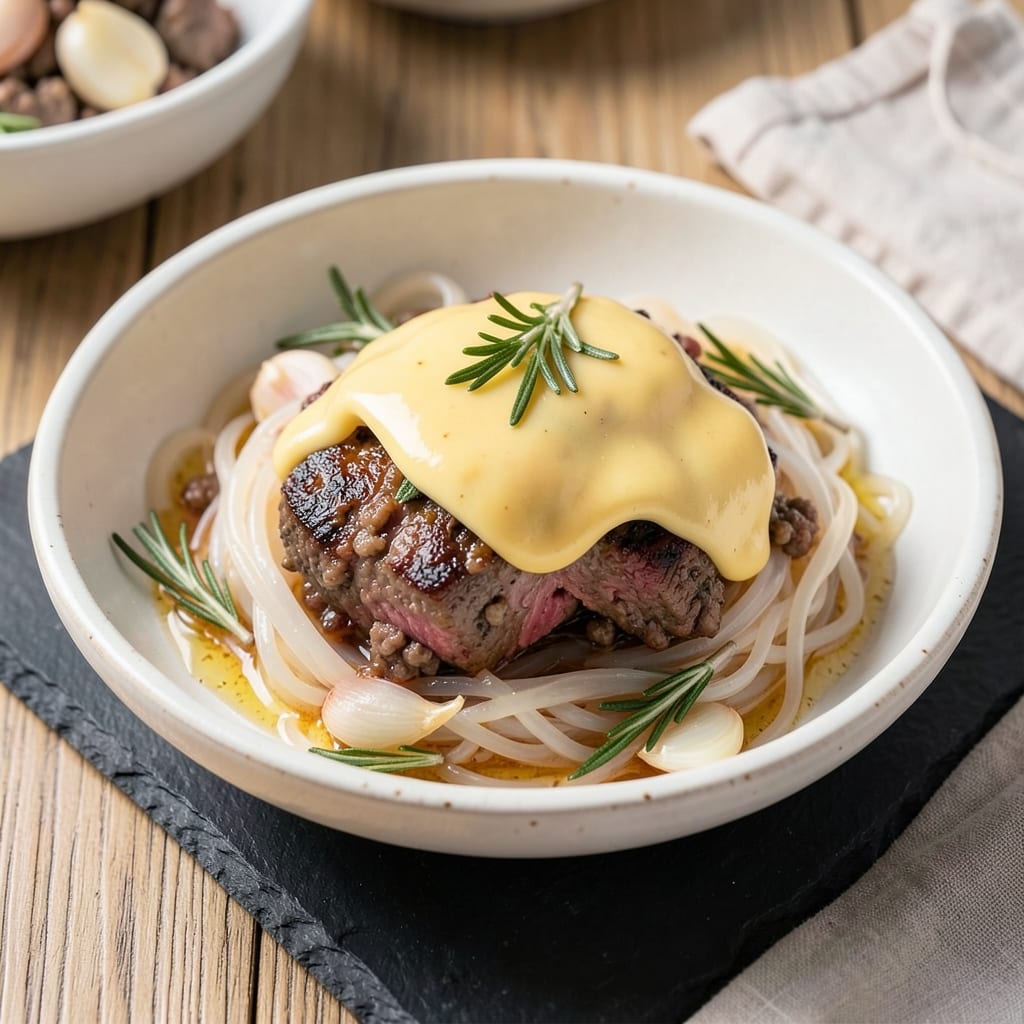
This carnivore egg noodles recipe delivers a hearty, meat-packed breakfast in just 15 minutes—no grains, no fillers, just protein-rich satisfaction. The secret lies in using shirataki noodles (zero-carb, zero-net-carb) that mimic traditional egg noodles while keeping your meal carnivore-compliant. I developed this after realizing how much my family craved that comforting noodle texture without the carbs, and it became an instant hit for breakfast or even a quick dinner.
The dish starts with ground beef or pork cooked until crispy, then combined with a savory egg wash that coats the shirataki noodles perfectly. The result? A dish that’s rich, filling, and packed with flavor—no blandness here. The key is properly rinsing and blanching the noodles first to remove any residual odor and achieve that satisfying al dente bite. This method ensures they absorb the meaty flavors without falling apart.
What you’ll end up with is a meaty, protein-forward dish that feels indulgent but stays true to carnivore principles. The egg wash adds a subtle richness, while the crispy meat provides texture and depth. It’s the kind of meal that keeps you full for hours, perfect for busy mornings or when you need a quick, satisfying lunch. The best part? No complicated techniques—just a foolproof method that delivers restaurant-quality results at home.
Pair it with a fried egg on top or a side of sautéed mushrooms (if you’re not strict carnivore) for extra indulgence. This recipe proves you don’t need carbs to enjoy a hearty, comforting noodle dish. Let’s get cooking!
Ingredients for carnivore egg noodles
Zero-carb noodles, crispy meat, and rich egg wash—this carnivore breakfast delivers restaurant-quality satisfaction in 15 minutes.
| Ingredient | Amount | Notes |
|---|---|---|
| Shirataki Noodles 🍜 | 1 package | Zero-carb, rinsed thoroughly |
| Ground Beef (80/20) 🥩 | 1 lb | 80% lean for crispy texture |
| Large Eggs 🥚 | 4 whole | Room temperature for smooth coating |
| Unsalted Butter 🧈 | 2 tbsp | For crispy meat cooking |
| Garlic Cloves 🧄 | 3 cloves | Minced for aromatic depth |
| Fresh Rosemary 🌿 | 1 tbsp | Chopped, for herbal brightness |
| Diamond Crystal Kosher Salt 🧂 | 1 tsp | For seasoning meat |
| Freshly Ground Black Pepper 🌶️ | ½ tsp | Cracked for bold flavor |
| Heavy Whipping Cream 🥛 | ¼ cup | For rich egg wash |
| Extra-Virgin Olive Oil 🫒 | 1 tbsp | For finishing drizzle |
| Ground Cumin 🌿 | ½ tsp | Earthy depth to meat |
| Crushed Red Pepper Flakes 🔥 | ¼ tsp | Optional for heat |
The shirataki noodles are the star—look for the 100% konjac-based kind at Whole Foods or Amazon, not the pre-seasoned versions. Rinse them thoroughly in cold water to remove that funky smell, then give them a quick 3-minute blanch in boiling water before using. The 80/20 ground beef is non-negotiable here—you need that fat for crispy texture. I grab mine from Costco in bulk, but any grocery store's fresh-ground section works. For the herbs, fresh rosemary makes all the difference, but dried at half the amount is fine in a pinch.
No heavy cream? Full-fat coconut milk works in a bind, though it won't be as rich. The egg wash is where the magic happens—room temperature eggs blend smoother, so take them out 10 minutes before using. Want extra crisp? Add 1 tbsp cornstarch to the meat mixture. The garlic should be minced fine—I use a microplane for quick, even results. If you're strict carnivore, skip the olive oil drizzle, but trust me, it takes this dish to next level. The red pepper flakes? Only add if you're brave—start with a pinch and taste as you go.
These noodles reheat beautifully—just toss them with a splash of water and microwave for 1-2 minutes. The meat mixture keeps 3 days in the fridge, but the noodles themselves? Use them fresh or they get mushy. For meal prep, store components separately and assemble when ready to eat. The egg wash can be made ahead and refrigerated for up to 2 days, just give it a whisk before using. Freeze the meat mixture for 3 months—it reheats perfectly in a skillet.
Why You'll Love This Recipe
- No Boil Required: I swear by these shirataki noodles—they’re pre-cooked, so no standing over a pot of boiling water. Just rinse, drain, and toss them in the pan with the beef and butter. It’s the kind of shortcut that makes mealtime feel effortless.
- Rich Without the Guilt: That 80/20 ground beef? Pure flavor with just enough fat to keep everything luscious. The eggs add a silky richness, and the garlic—oh, the garlic—turns this into something hearty but still light enough to enjoy without feeling weighed down.
- Weeknight to Meal Prep: Honestly, this is my go-to when I’m too tired to think. Double the batch, and you’ve got leftovers that reheat like a dream—no soggy noodles here. Pack it for lunch or freeze portions for those nights when takeout wins.
- Budget-Friendly Luxury: Butter and beef might sound fancy, but this recipe stretches easily. A pound of ground beef and a dozen eggs last me forever, and the shirataki noodles? They’re a fraction of the cost of regular pasta. It’s comfort food that doesn’t break the bank.
Step-by-step instructions for meaty egg noodles
Here's how to transform simple ingredients into a protein-packed breakfast in record time.
Prepare the Shirataki Noodles
Open the package of shirataki noodles and rinse them thoroughly under cold water for 3-5 minutes. This removes the odor and excess moisture that can make them slippery. Drain well in a colander and pat dry with paper towels—you want them completely dry for proper texture.
Cut the noodles into 3-inch lengths using kitchen shears or a sharp knife. This size works perfectly for quick cooking and easy mixing. Set them aside on a clean kitchen towel to prevent sticking while you prepare the other components.
Cook the Seasoned Ground Beef
In a large skillet, heat 1 tablespoon of the extra-virgin olive oil over medium-high heat until shimmering. Add the 1 lb ground beef (80/20) and cook, breaking it apart with a wooden spoon, until it loses its raw color and begins to brown—about 5-6 minutes. This higher fat content is crucial for that crispy texture.
Add the minced garlic cloves, chopped fresh rosemary, 1 tsp diamond crystal kosher salt, 0.5 tsp freshly ground black pepper, 0.5 tsp ground cumin, and 0.25 tsp crushed red pepper flakes. Stir well and cook for another 2 minutes until the garlic is fragrant and the spices are toasted. Remove the beef from the skillet and set aside, leaving the rendered fat behind.
Create the Egg Noodle Base
In the same skillet (with the beef fat still in it), melt 2 tbsp unsalted butter over medium heat. Add the prepared shirataki noodles and toss to coat them evenly in the butter. Cook for 2-3 minutes until the noodles begin to soften slightly and take on a golden sheen.
Push the noodles to one side of the skillet and crack 4 whole large eggs directly into the empty space. Let them sit undisturbed for 10-15 seconds until the edges begin to set, then gently stir them into the noodles, mixing until just combined. The residual heat from the skillet will gently cook the eggs into a creamy custard that clings perfectly to the noodles.
Finish with Cream and Herb Garnish
Pour in the 0.25 cup heavy whipping cream and stir vigorously for 1-2 minutes until the mixture thickens slightly and coats the noodles. The cream adds richness while keeping the dish light. Return the cooked ground beef to the skillet and toss everything together until fully heated through and well combined.
Remove from heat and stir in the remaining 1 tablespoon extra-virgin olive oil for a silky finish. Taste and adjust seasoning if needed—you might want to add a pinch more salt or pepper to balance the flavors. Garnish with additional fresh rosemary if desired, and serve immediately while the eggs are still creamy.
Pro Tips For Making Carnivore Egg Noodles
- Rinse Shirataki Twice: I learned this the hard way—skipping the second rinse leaves a weird, lingering aftertaste that ruins the whole dish. After draining the first time, swirl the noodles in fresh water again to cut through any residual odor, then squeeze out excess water with your hands (yes, even if you’re impatient like me).
- Brown Beef in Batches: Ground beef releases more fat than you’d think, and drowning it in its own grease = greasy noodles. Cook the meat in two portions over medium-high heat, breaking it apart with a spoon, then let the first batch crisp slightly before adding the second. That extra second of surface contact makes all the difference.
- Use Cold Eggs for Cleaner Cooking: Room-temperature eggs splatter like crazy when they hit the pan. Crack them straight from the fridge into a bowl, whisk gently, then slide them in—no flinging, no mess. The cold eggs also hold their shape better when you fold them into the noodles.
- Finish with Butter at Low Heat: Dumping butter at the end and cranking the heat turns it into soup. Instead, melt 1 tablespoon over low heat, let it foam down, then add the remaining butter and garlic. Stir constantly for 30 seconds—just until the garlic softens but doesn’t brown. This keeps the sauce silky, not buttery.
Creative variations of carnivore egg noodles
Protein Swaps
Swap the ground beef for ground pork (like Italian sausage) for a richer flavor—just reduce the cooking time by 1-2 minutes to avoid overcooking. For a seafood twist, use shrimp or scallops (cook them separately first, then toss in at the end). I once made this with chicken livers for a bold, iron-rich version—simmer them first in cream to remove any bitterness. 🥩
Spice Variations
Craving heat? Add ½ tsp smoked paprika and ¼ tsp cayenne to the meat for a smoky kick. For a Mediterranean vibe, swap rosemary for dried oregano and add ½ tsp ground coriander. My go-to is Italian seasoning (½ tsp) for a quick, familiar flavor boost—just check for no added sugar. 🌶️
Topping Ideas
Elevate your dish with crispy fried shallots (store-bought works!) for crunch. A fried egg on top adds richness, while crumbled bacon (if not strict carnivore) gives smoky depth. For a fresh finish, sprinkle with chopped chives or microgreens right before serving. 🍳
Zero-Carb Noodle Alternatives
If shirataki noodles aren’t your thing, try spaghetti squash (roasted and shredded) or zucchini noodles (raw, for a lighter texture). For a chewier option, kelp noodles (found in Asian markets) work well—just rinse and blanch like shirataki. I tested chickpea pasta (for non-strict carnivore versions) and it held up surprisingly well! 🍜
Global Flavors
Transform this into a Korean-inspired dish by adding 1 tbsp gochujang and 1 tsp sesame oil to the meat. For Mexican flair, swap the rosemary for cilantro and add ½ tsp cumin + ¼ tsp chili powder. My favorite? A French bistro version with Dijon mustard (1 tsp) in the egg wash and Gruyère cheese crumbles on top. 🌍
Meal Prep Hacks
Prep the meat mixture ahead and store it in the fridge for 3 days or freeze for 3 months. Keep the egg wash separate until ready to cook—just whisk and heat through. For noodle prep, store shirataki in the fridge (unrinsed) for up to 5 days—rinse and cut fresh when ready. I freeze pre-cut noodles in airtight bags for quick grab-and-go meals. ⏰
Nutrition facts
Frequently asked questions
Can I use regular egg noodles in this carnivore recipe?
No, regular wheat-based egg noodles aren't carnivore-friendly due to their high carb content. The recipe relies on shirataki noodles (made from konjac root) which are zero-carb and zero-calorie. If you're not strict carnivore, you could try chickpea pasta (about 20g net carbs per serving), but it won't have the same texture or flavor profile.
Why do I need to rinse and blanch the shirataki noodles?
Rinsing removes the funky odor and excess moisture that makes them slippery, while blanching for 3 minutes removes any residual bitterness and helps them absorb flavors better. Skipping this step can leave your dish tasting off or the noodles too soft. Think of it like prepping fresh pasta—you want that perfect al dente texture!
Can I make this recipe without heavy cream?
Yes! For a lighter version, replace the heavy cream with full-fat coconut milk (same amount) or even extra egg yolks (add 2 more yolks to the egg wash). The dish will still be rich, just with a slightly different mouthfeel. If you're strict carnivore, skip the cream entirely and just use the egg wash for coating.
How do I fix mushy shirataki noodles?
Mushy noodles usually happen from overcooking or not rinsing/blanching properly. For future batches, cut them shorter (2-inch pieces) and cook them for just 1-2 minutes in the skillet. If they're already mushy, drain them well and toss with 1 tsp cornstarch mixed with water to thicken, then reheat. The key is proper prep—never skip the rinsing and blanching steps!
Can I make this dish ahead of time?
Prep the meat mixture ahead (it keeps 3 days in the fridge or 3 months frozen) and store the egg wash separately. When ready to eat, simply reheat the meat in a skillet, add fresh noodles (prepped the same day), and combine with the egg wash. The fresh noodles are crucial for texture—don't try to store them pre-cooked.