
Main Courses
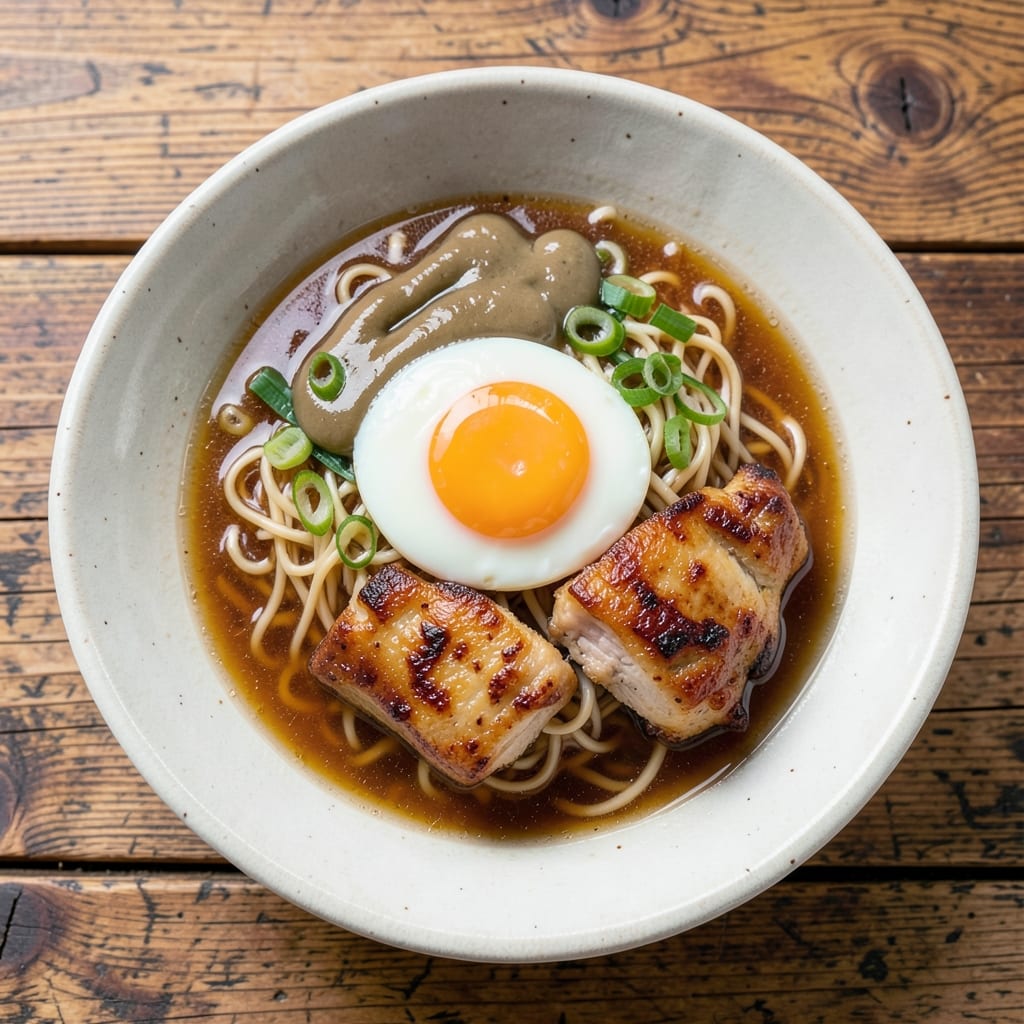
This chicken egg ramen recipe transforms a simple dinner into a luxurious experience with just a few key techniques. The foundation is a rich, umami-packed broth—whether you prefer tonkotsu’s creamy depth, miso’s earthy warmth, or shoyu’s bright tang—simmered with chicken until every spoonful feels like comfort. What sets this apart is the silky poached egg, slid directly into the bowl so the yolk blends effortlessly with the broth, creating a velvety finish.
The secret to restaurant-quality ramen at home lies in balancing textures: chewy ramen noodles cooked just shy of al dente, crisp toppings like nori and green onions, and tender chicken pieces that melt in your mouth. I’ve perfected a foolproof poaching method for the egg—no special tools, just hot water and patience—to ensure a perfectly runny yolk every time. The broth should be rich but not overpowering, with just enough salt to let the other flavors shine.
What you’ll end up with is a bowl that’s equal parts satisfying and elegant: steaming broth, silky egg yolk swirling into every bite, and a medley of toppings that add crunch and freshness. This isn’t just ramen—it’s a one-bowl meal that feels like a celebration, whether you’re feeding a crowd or treating yourself after a long week. The best part? It comes together in under an hour, with most of the work happening while you prep the toppings.
Serve immediately for that restaurant-fresh experience, or let the flavors meld slightly if you’re making it ahead. Pair with a cold beer or green tea to cut through the richness, and don’t forget the classic garnishes: sesame seeds, chili oil, or a sprinkle of furikake for extra depth. Let’s get cooking—your taste buds will thank you.
Ingredients for chicken egg ramen
Four silky eggs, chewy noodles, and a broth so rich it feels like a hug in a bowl.
| Ingredient | Amount | Notes |
|---|---|---|
| Chicken Thighs, Bone-In 🍗 | 1 ½ lb | Skin-on for richer broth |
| Dried Ramen Noodles 🍜 | 2 packages | 4 oz per package, not instant |
| Large Eggs 🥚 | 4 whole | Fresh, cold for poaching |
| Dashi Powder 🍜 | 2 tbsp | Or 2 tbsp kombu + 1 tbsp bonito flakes |
| Soy Sauce 🍶 | ½ cup | Kikkoman preferred |
| Miso Paste 🧈 | 2 tbsp | White or red miso, unsweetened |
| Garlic Cloves 🧄 | 6 cloves | Minced, for broth |
| Fresh Ginger 🌿 | 2 tbsp | Grated, peeled |
| Green Onions 🧅 | 4 whole | Thinly sliced, for garnish |
| Nori Sheets 🍣 | 4 sheets | Cut into thirds |
| Sesame Seeds 🌾 | 1 tbsp | Toasted, for garnish |
| Vegetable Oil 🫒 | 2 tbsp | For searing chicken |
| Water 💧 | 8 cups | For poaching eggs |
| White Vinegar 🍶 | 1 tbsp | For poaching water |
| Salt 🧂 | 2 tsp | Adjust to taste |
The chicken thighs are non-negotiable here—skin-on, bone-in for that deep umami that takes hours to develop. Costco or your butcher’s counter are the best spots for good-quality pieces, but don’t stress if you grab pre-cut. Look for even-sized thighs—they’ll cook uniformly. If you’re short on time, swap in chicken backs or drumsticks for even more flavor. The broth is where the magic happens, so don’t skimp on the aromatics: garlic and ginger should be fresh, not powdered. For the noodles, 4 oz dried ramen per serving is standard, but if you’re feeling fancy, grab fresh ramen noodles from an Asian market—they’re worth the splurge.
No dashi powder? Simmer 1 cup kombu with 1 cup bonito flakes in 4 cups water for 10 minutes, then strain. Miso paste can be tricky—white miso gives a cleaner flavor, while red miso adds depth. If you’re out, 2 tbsp soy sauce + 1 tsp sugar works in a pinch. For the eggs, room temperature is key—they’ll slide right into the broth. No fresh nori? Dried seaweed flakes from the Asian aisle will do, but toast them in a dry pan first for extra crunch. The sesame seeds? Toast them in a dry skillet for 30 seconds—they’ll taste like a million bucks.
Broth keeps for 3 days in the fridge or 3 months frozen—make a double batch. The noodles? Cook them just 1 minute less than package instructions for that perfect chew. Poached eggs hold for 2 days in the fridge, but they’re best fresh. Garnishes like chili oil or furikake can wait until serving—add them right before eating so they stay crisp. Leftovers? Reheat broth separately and add fresh noodles and egg to keep everything silky.
Why You'll Love This Recipe
- One-Pot Magic: I swear by this—just toss in bone-in chicken thighs, a splash of soy, and dashi powder, then let the broth work its flavor while you prep the rest. No separate pots, no fuss, and that rich chicken fat infuses the broth like a dream.
- Umami Bomb: The combo of bone-in chicken thighs and dashi powder? It’s a flavor shortcut I didn’t know I needed. That first slurp of broth packed with deep, savory notes—plus the runny yolk breaking into the hot broth—is the kind of simple luxury that makes me pause mid-bite.
- Leftover Goldmine: Make a big batch on Sunday, and you’ve got dinner covered for days. The noodles soften perfectly when reheated, the broth stays rich, and honestly? Cold ramen the next day with extra egg is my weird little secret.
- Budget Comfort: Chicken thighs and ramen noodles stretch into a full meal without breaking the bank. Between us, this recipe is my go-to when I’m tired of overpriced takeout but still want that hearty, satisfying bowl. (Yes, even on a Tuesday night.)
Step-by-step instructions for chicken egg ramen
Here's how to transform simple ingredients into a restaurant-worthy bowl of ramen.
Build the Umami-Packed Broth
In a large Dutch oven, heat the 2 tablespoons vegetable oil over medium-high heat. Add the 1.5 lb chicken thighs, bone-in and sear until the skin is deep golden brown and crispy, about 8-10 minutes per side. This creates the foundation for our rich broth.
Remove the chicken and set aside. In the same pot, add the 6 cloves minced garlic and 2 tablespoons grated fresh ginger, cooking for 30 seconds until fragrant. Pour in 8 cups water, scraping up any browned bits from the bottom. Bring to a boil, then reduce heat to low and add the 2 tablespoons dashi powder, 0.5 cup soy sauce, and 2 tablespoons miso paste. Simmer uncovered for 45-60 minutes until the broth reduces slightly and develops deep flavor. The aroma should be intense and inviting—this is where all the magic happens.
Prepare the Poaching Water for Eggs
While the broth simmers, prepare a separate pot for poaching the eggs. Combine 8 cups water with 1 tablespoon white vinegar and bring to a gentle simmer over medium-low heat. The water should be just under a boil—small bubbles at the bottom, not rolling. Keep this at a constant temperature while we prepare the eggs. Cold eggs are essential for perfect poaching—they hold their shape better and create that silky center we all love.
Crack the 4 whole large eggs into a small bowl or ramekins. I like to use ramekins because they help control the size of the poached eggs. The vinegar in the water helps coagulate the egg whites more quickly, giving us that clean, defined shape.
Cook the Ramen Noodles
Bring a separate pot of salted water to a rolling boil. Add the 2 packages dried ramen noodles and cook according to package instructions—usually 3-4 minutes—until al dente. The noodles should be tender but still have a slight bite. Drain immediately and rinse briefly under cold water to stop the cooking process. This prevents them from becoming mushy when added to the hot broth later.
While the noodles cook, prepare the nori sheets by cutting each of the 4 sheets into thirds. Toast the 1 tablespoon sesame seeds in a dry skillet over low heat for 1-2 minutes until fragrant. Thinly slice the 4 whole green onions for garnish. These finishing touches elevate the dish from good to extraordinary.
Poach the Eggs to Perfection
Using a slotted spoon, carefully lower one egg at a time into the simmering poaching water. Cook for 3-4 minutes for runny yolks or 4-5 minutes for firm yolks. The whites should be set but still slightly translucent. Remove with a slotted spoon and drain on paper towels. Keep them warm while you assemble the bowls.
Here's the thing—timing is everything. The eggs should be poached just before serving so they stay warm and the yolks remain perfectly set. If you poach them too early, they'll overcook and lose their silky texture. The broth should be kept warm at low heat while you work.
Assemble the Ramen Bowls
Ladle the hot broth into bowls, dividing it evenly among the 4 servings. Add the cooked ramen noodles, distributing them throughout the broth. Place one poached egg in each bowl, nestling it gently into the noodles. The contrast between the silky egg, chewy noodles, and rich broth is what makes this dish so satisfying.
Garnish each bowl with nori strips, toasted sesame seeds, and sliced green onions. The nori adds a subtle oceanic flavor, the sesame seeds provide a nutty crunch, and the green onions bring a fresh, bright note. Serve immediately while everything is hot and the flavors are at their peak. Each bite should deliver a perfect balance of textures and umami richness.
Pro Tips For Making Chicken Egg Ramen
- CRISP THE THIGHS FIRST: Skip boiling the chicken thighs whole—cut them into 2-inch pieces and sear them skin-side down in a hot pan for 5-6 minutes until the skin turns deep golden. I used to boil them first, and the broth stayed murky; crisping the skin first adds flavor and texture that just boiling can’t match.
- SALT THE EGGS BEFORE POACHING: Crack the eggs into a bowl, add a pinch of salt, and whisk vigorously before sliding them into the simmering broth. The salt helps the whites set faster and makes the yolks creamier—no more rubbery eggs floating in your ramen. (Yes, even if you’re impatient like me.)
- DON’T BOIL THE NOODLES DRY: Pull the ramen noodles out 10 seconds before the package says they’re done—they’ll finish cooking in the hot broth and stay al dente. I learned this the hard way when my first batch turned into a mushy mess; undercooked noodles absorb broth better and hold their shape.
- UPGRADE WITH A SPLASH OF MIRIN: Add 1 tablespoon of mirin to the broth while the chicken simmers—it brightens the flavors without overpowering the soy and dashi. I was skeptical until I tried it; now I can’t imagine ramen without it. (Bonus: It cuts through the richness of the egg and chicken.)
Make-ahead tips for chicken egg ramen
Broth Prep Ahead
Make the broth 2 days in advance for maximum flavor development. After searing the chicken and simmering with aromatics, let it cool completely before refrigerating in an airtight container. When ready to serve, reheat over medium-low heat until steaming—never boil to avoid breaking the emulsion. Skim off any congealed fat before using. This step saves 30 minutes of active time on serving day. 💫
Noodle Prep Shortcut
Cook the noodles just 1 minute less than package instructions and rinse in ice water to stop cooking. Store them in the fridge for up to 2 days in a sealed container. When reheating, boil for 30 seconds in fresh water—this prevents sogginess. For extra chew, blanch fresh ramen noodles for 1 minute before storing. 🍜
Egg Prep Timeline
Poach eggs 1 hour before serving and store in an ice bath to keep yolks perfectly runny. Transfer them to a bowl of cold water in the fridge until ready to use. This ensures they stay firm yet silky when reheated. For a shortcut, use pre-poached eggs from the grocery store—just reheat in warm water for 30 seconds before sliding into bowls. 🥚
Topping Assembly
Prep all garnishes the day before: toast sesame seeds, slice green onions, and cut nori strips. Store in separate airtight containers in the fridge. Reheat toppings for 10 seconds in a dry skillet before serving to maintain crispness. This 5-minute assembly keeps your ramen looking fresh and restaurant-quality. ✨
Full Meal Prep
For a complete make-ahead meal, combine cooled broth, noodles, and toppings in a large container (like a Cambro). Store for up to 2 days. When ready to serve, reheat broth separately and assemble bowls with fresh poached eggs. This method keeps flavors balanced and textures intact—ideal for weeknight dinners or meal prep Sundays. 📅
Freezer-Friendly Broth
Broth freezes beautifully for 3 months in ziplock bags (lay flat to save space). Thaw overnight in the fridge, then reheat gently. For noodles, freeze cooked (unrinsed) noodles in broth for 1 month—reheat directly in microwave for 1 minute. Eggs don't freeze well, so poach fresh for serving day. This approach turns ramen into a freezer-friendly comfort food. ❄️
Nutrition facts
Frequently asked questions
Can I use chicken breast instead of thighs for the broth?
While chicken breast will work, it won't give you the same rich, gelatinous broth that bone-in thighs provide. The bones and skin contain collagen that breaks down during long simmering, creating that luxurious texture. If you must use breast, marinate it in soy sauce overnight and use chicken backs or wings for extra flavor.
How do I get my poached eggs to stay perfectly runny?
Start with cold eggs straight from the fridge and use a gentle simmer—not a rolling boil—in your poaching water. Cook for exactly 3-4 minutes and immediately transfer to an ice bath to stop cooking. The vinegar in the water helps set the whites cleanly while keeping yolks silky. Never overcook!
What's the best way to reheat leftover chicken egg ramen?
Reheat the broth separately until steaming, then add fresh noodles and a freshly poached egg. The key is to never microwave the broth—it ruins the texture. For noodles, cook them fresh (they only take 3-4 minutes) and add them to the hot broth just before serving. Garnish with fresh toppings for that restaurant-quality finish.
Can I make this recipe vegetarian?
Replace the chicken with shiitake mushrooms or mushroom stems for umami depth. Use vegetable broth instead of chicken broth and add 1 tbsp soy sauce + 1 tsp miso paste to mimic the savory base. The egg and nori will still provide that satisfying texture contrast.
Why does my broth look cloudy after simmering?
A slightly cloudy broth is normal and actually adds body! If it's too opaque, skim off excess fat or strain it through a fine-mesh sieve. The miso paste and dashi should give it a rich, velvety appearance. For extra clarity, chill the broth overnight—the fat will congeal on top and can be removed before reheating.