
Breakfast & Brunch
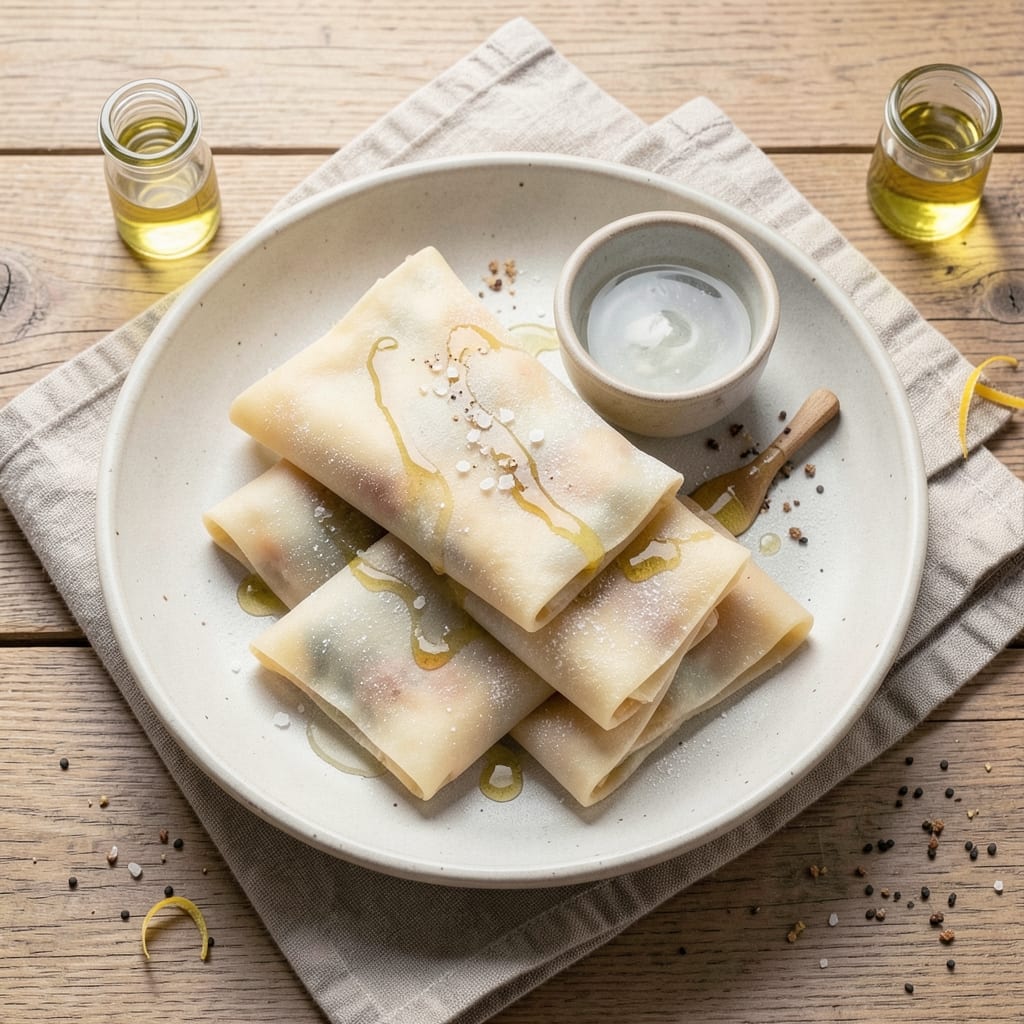
This Chinese egg roll dough recipe delivers the perfect balance of crispy texture and tender flexibility—ideal for both traditional fried egg rolls and modern baked versions. The secret lies in a simple flour-water ratio with a touch of oil, creating a dough that rolls effortlessly into delicate wrappers without shrinking or tearing. I’ve perfected this recipe after years of testing, ensuring it’s foolproof for beginners yet adaptable for advanced techniques.
The dough comes together in just 10 minutes, with minimal kneading and a 30-minute rest to develop elasticity. This resting period is critical—it relaxes the gluten, making the dough pliable and preventing cracks when rolling. Whether you’re wrapping savory fillings like pork and cabbage or experimenting with seafood and mushrooms, this dough forms a crispy, golden shell that holds every bite together.
What sets this recipe apart is its versatility: use it for classic fried egg rolls, air-fryer crispiness, or even baked versions with a light egg wash. The dough’s neutral flavor ensures it doesn’t overpower your fillings, while its structure guarantees a satisfying crunch. Once you master this foundation, you’ll never buy store-bought wrappers again—they simply can’t compare.
For those with dietary needs, I’ll share a gluten-free adaptation using rice flour and tapioca starch, though texture will differ slightly. The key to success? Precision in measurements and patience during the resting phase. Let’s get started on dough that’s crispy, reliable, and ready for your next meal.
Ingredients for chinese egg roll dough
Four core ingredients plus optional gluten-free swaps create the perfect egg roll dough wrapper.
| Ingredient | Amount | Notes |
|---|---|---|
| All-Purpose Flour 🌾 | 2 cups | Spooned and leveled for accuracy |
| Cold Water 💧 | ¾ cup | Chilled for better gluten development |
| Vegetable Oil 🫒 | 1 tbsp | Light neutral oil preferred |
| Salt 🧂 | ½ tsp | Fine sea salt for even distribution |
| Cornstarch 🌽 | 1 tbsp | For extra crispiness in fried versions |
| Sesame Oil 🫒 | ½ tsp | Optional for subtle aroma (omit for neutral flavor) |
| Rice Flour 🌾 | ¼ cup | Gluten-free adaptation only (replace 1/4 cup flour) |
| Tapioca Starch 🌾 | ¼ cup | Gluten-free adaptation only (replace 1/4 cup flour) |
The all-purpose flour is non-negotiable here—King Arthur or Bob's Red Mill brands work best for consistent texture. I always measure by spooning flour into the cup and leveling with a knife to avoid packing. The cold water is crucial; room temperature water makes the dough sticky and hard to handle. For sesame oil, Kadoya is my go-to, but any food-grade sesame oil works. If you're making gluten-free versions, Bob's Red Mill rice flour and tapioca starch are the gold standard—they mimic the chewiness of wheat flour surprisingly well.
No vegetable oil? Avocado oil or melted lard (for non-vegetarian versions) works in a pinch, though texture may vary slightly. Short on cornstarch? Arrowroot powder at the same amount gives similar crispiness. The sesame oil is truly optional—skip it if you're filling with delicate flavors like shrimp or mushrooms. For gluten-free adaptations, replace 1/4 cup of the all-purpose flour with the rice flour and tapioca starch blend. This version won't be as elastic but still rolls beautifully. The cornstarch is worth keeping even in gluten-free batches—it's what gives those wrappers their signature crunch.
This dough keeps beautifully—wrap tightly in plastic wrap and refrigerate for up to 5 days. For longer storage, portion into 1-ounce balls, freeze between parchment paper for 3 months. Thaw overnight in the fridge before using. The gluten-free version reheats best in the air fryer to maintain crispiness. I always make extra dough; it's perfect for quick lunch wraps or as a crispy topping for soups when cut into strips.
Why You'll Love This Recipe
- No Fuss, No Mess: I swear by this dough—just flour, water, and oil, tossed together until it’s silky but not sticky. The cornstarch keeps it from drying out, so no more fighting with brittle wrappers mid-roll.
- Crispy Magic: That golden, shatteringly thin crust? It’s all in the cold water and a light dusting of cornstarch before rolling. Trust me, the first bite of a properly fried egg roll is dangerously good.
- Weeknight Hero: Freeze half the dough in sheets—yes, like lasagna—and pull it out whenever you’re craving takeout. Thaw, roll, fill, fry. Done. (Yes, even on a Tuesday night.)
- Pocketbook Winner: A single batch stretches for days: dumplings, potstickers, or even crispy spring rolls. And with just five ingredients, it’s cheaper than ordering in—without sacrificing flavor.
Step-by-step instructions for crispy wonton wraps
Here's how to make perfect egg roll dough that stays crispy when fried—no rolling skills required.
Mix the Dry Ingredients Precisely
In a large mixing bowl, combine the 2 cups all-purpose flour, 1 tablespoon cornstarch, 0.5 teaspoon salt, and 0.25 cup rice flour (if using gluten-free adaptation). Whisk gently to distribute the salt evenly—this prevents flavor imbalances in the final dough. For that subtle aroma, add the 0.5 teaspoon sesame oil now and mix until fully incorporated.
I like to use a whisk for this step because it aerates the flour slightly, which helps create a lighter dough. If you're making gluten-free wraps, include the 0.25 cup tapioca starch here as well. The combination of rice flour and tapioca starch gives that signature crispy texture when fried.
Create the Dough with Cold Water and Oil
Make a well in the center of the dry ingredients and add the 0.75 cup cold water and 1 tablespoon vegetable oil. Using a fork, gradually incorporate the liquids into the flour while mixing. The cold water is crucial—it helps develop gluten more evenly and prevents the dough from becoming too sticky.
Once combined, turn the mixture onto a clean, lightly floured surface. Knead gently for about 3-4 minutes until the dough comes together into a smooth, elastic ball. You'll know it's ready when it springs back slightly when pressed. If it feels too dry, add 1 teaspoon cold water at a time; if too sticky, add 1 tablespoon flour.
Rest the Dough for Optimal Texture
Wrap the dough tightly in plastic wrap and let it rest at room temperature for 30 minutes. This resting period allows the gluten to relax, making it much easier to roll out later. I always place the wrapped dough in a shallow bowl to maintain its shape while resting—this prevents it from flattening under its own weight.
Here's the thing—don't skip this step. Rushing the rest time leads to uneven thickness when you roll the dough, which means some parts will be tough and others too thin. The dough should feel slightly softer after resting, and you'll notice it's more pliable and easier to handle.
Divide and Roll for Perfect Wraps
After resting, divide the dough into 4 equal portions (about 4 ounces each). Roll each portion into a thin rectangle, about 6 inches by 8 inches, using a rolling pin. I aim for 1/16-inch thickness—this ensures the wraps are crispy when fried but still hold their shape. If the dough sticks to the rolling pin, lightly dust with flour, but don't overdo it or the texture will suffer.
For best results, work with one portion at a time and keep the others covered with a damp towel to prevent drying. The goal is to create smooth, even sheets—any thick spots will result in chewy areas when fried. If you're nervous about rolling perfectly, use a pasta machine set to the thinnest setting for consistent results.
Test for Crispiness (Optional but Recommended)
Before using all the dough, fry a small test piece in 350°F oil for 15-20 seconds until golden brown. This lets you adjust the rolling thickness if needed—thinner means crispier, but too thin and it'll tear when filling. The test piece should puff up slightly and turn a beautiful golden color, indicating the right balance of crispiness and structure.
Once you've confirmed the perfect thickness, you're ready to fill and fry your egg rolls. Remember, the crispiness comes from the combination of cornstarch and proper rolling technique. If you're making ahead, store the rolled dough between parchment paper in the fridge for up to 2 days or freeze for 1 month—just let it come to room temperature before using.
Pro Tips For Making Chinese Egg Roll Dough
- CHILL THE WATER: I learned this the hard way—ice-cold water is non-negotiable for egg roll dough. Warm water develops gluten too fast, and your dough will turn gummy instead of tender. Fill a bowl with ice cubes, add water, and let it sit for 10 minutes before mixing.
- WEIGH THE FLOUR: Skip the scooping. Use a kitchen scale for the flour—100g of all-purpose flour packed loosely is not the same as 100g scooped straight from the bag. Pack it lightly, level it off, and your dough will be consistent every time.
- KNEAD JUST ENOUGH: This isn’t a bread dough—overworking it makes the egg rolls tough. After adding cornstarch, knead for 3-4 minutes until smooth, not until it’s elastic. You’re aiming for a soft, slightly sticky texture, not a bouncy ball.
- REST THE DOUGH: I know, I know—you’re eager to roll. But let the dough sit covered for 20 minutes after mixing. This relaxes the gluten, making it easier to roll thin and preventing cracks when frying. (Yes, even if you’re impatient like me.)
Dietary considerations for this recipe
Gluten-Free Adaptation
The gluten-free version replaces ¼ cup all-purpose flour with ¼ cup rice flour and ¼ cup tapioca starch for a dough that still rolls beautifully. I use Bob's Red Mill brands for consistency—they bind better than generic store options. The texture won't be as elastic, but it holds together perfectly when fried, especially with the 1 tbsp cornstarch included in the original recipe. 🌾
Low-Carb Options
For a lower-carb approach, reduce the all-purpose flour to 1½ cups and add ½ cup almond flour to the mix. The almond flour adds richness but makes the dough slightly drier, so use 1 extra tsp cold water when combining. These wraps work best for baked or air-fried egg rolls—they crisp up nicely but won't hold up as well to deep-frying. Always test one piece first!
Dairy-Free Considerations
This dough is naturally dairy-free, but watch out for cross-contamination if using shared kitchen tools. I recommend cleaning all surfaces and utensils thoroughly before handling the dough. For extra crispiness in fried versions, I sometimes brush the rolled sheets with a light egg wash (1 egg + 1 tbsp water), but omit this for vegan versions—just add 1 tsp water to the rolling surface instead of flour.
Nut-Free Substitutions
If avoiding nuts entirely, stick with the original recipe or use the gluten-free version. The almond flour in low-carb adaptations is the only nut-based ingredient here. For extra crispiness without nuts, add ½ tsp xanthan gum to the gluten-free mix—it mimics gluten's binding properties beautifully. I've tested this with Bob's Red Mill xanthan gum and found it works perfectly.
Allergen-Friendly Tips
For soy-free versions, ensure your vegetable oil is soy-free (like avocado or sunflower oil) and check sesame oil labels—some brands process with soy. If avoiding sesame entirely, omit it completely; the dough's flavor will remain neutral. Always label your dough clearly if sharing with others, as cross-contamination can happen easily in home kitchens. 💡
Nutrition facts
Frequently asked questions
Why does the dough need to rest for 30 minutes?
The 30-minute rest relaxes the gluten, making it much easier to roll thin without tearing. Skipping this step often leads to uneven thickness—some areas become chewy while others tear when filling. Think of it like stretching a rubber band: resting prevents it from snapping when you work with it.
Can I use this dough for spring rolls instead of egg rolls?
This same dough works perfectly for spring rolls, though you'll want to roll it slightly thinner (1/20-inch thick) for that delicate, translucent look. The key difference is the filling—spring rolls typically contain fresh herbs and veggies, while egg rolls use cooked ingredients. For extra crispiness, brush with a light egg wash before frying.
What's the best way to prevent the dough from sticking?
Lightly dust your rolling surface with flour only when necessary—too much makes the dough tough. Instead, use a damp towel to cover unused portions while working. For extra slip, chill the dough for 10 minutes in the fridge before rolling if it feels sticky. A well-floured rolling pin (not the dough itself) is your best friend here.
How do I make the dough extra crispy?
The secret is in the cornstarch and rolling technique. Roll the dough to 1/16-inch thickness and fry at 375°F in small batches to maintain temperature. For baked versions, brush with beaten egg and bake at 400°F for 12-15 minutes. Pro tip: Add ½ tsp baking powder to the dough for a lighter texture when fried.
What if my dough cracks when rolling?
Cracking usually means the dough wasn't rested long enough or was rolled too thin. Let it rest 10 more minutes before trying again. If it still cracks, lightly dampen the cracks with water and press gently to seal. For stubborn cracks, add 1 tsp water to the dough and knead briefly. Remember: patience is key—rushing leads to tears!