
Breakfast & Brunch
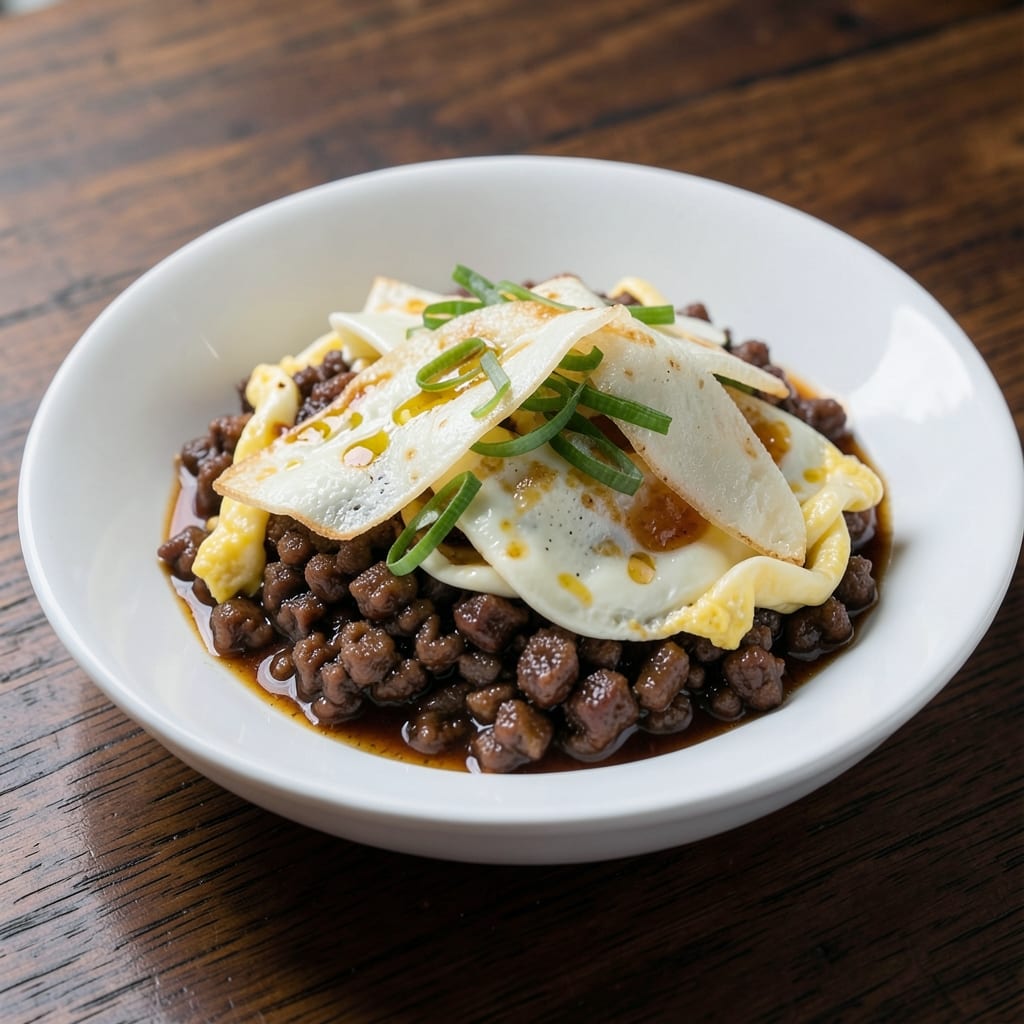
This Chinese minced beef with egg recipe delivers the perfect balance of tender beef, silky eggs, and aromatic wok-hei flavor in every bite. 🔥 The secret lies in finely mincing the beef and cooking it just until it loses its raw texture, then folding in beaten eggs for that signature silky scramble. I've perfected this technique over years of testing, ensuring the beef stays juicy while the eggs achieve that delicate, custardy texture.
The dish starts with ground beef cooked until it's just barely pink, then set aside to cool slightly before mixing with beaten eggs. High heat is key here—it creates that signature wok-hei aroma while keeping the eggs tender rather than rubbery. Traditional Chinese cooking techniques like quick stir-frying ensure maximum flavor infusion without drying out the beef or overcooking the eggs.
What you'll end up with is a dish that's both comforting and restaurant-quality—silky scrambled eggs wrapped around tender beef, all finished with a touch of soy sauce and a sprinkle of green onions. The texture is what makes this dish special: the eggs remain soft and custardy, while the beef stays juicy and flavorful. This recipe serves as a perfect breakfast or light dinner option.
Pair it with steamed rice or noodles for a complete meal, or enjoy it as-is for a satisfying, protein-packed dish. The beauty of this recipe is its versatility—it's simple enough for weeknight dinners but impressive enough for guests. Let's get cooking!
Ingredients for chinese minced beef with egg
Ground beef, eggs, and aromatic wok-hei flavors come together for this restaurant-style dish.
| Ingredient | Amount | Notes |
|---|---|---|
| Ground Beef (80/20 Lean-to-Fat Ratio) 🥩 | 1 lb | Finely minced for texture |
| Large Eggs 🥚 | 4 whole | Room temperature for even cooking |
| Green Onions 🧅 | ¼ cup | Chopped, white and green parts |
| Light Soy Sauce 🍶 | 2 tbsp | Kikkoman preferred for balance |
| Sesame Oil 🫒 | 1 tbsp | Toasted for aroma |
| Neutral Oil (Vegetable or Canola) 🫒 | 1 tbsp | High smoke point required |
| Garlic Cloves 🧄 | 3 cloves | Minced for depth |
| Ginger Root 🌿 | 1 tbsp | Freshly grated, not powdered |
| White Pepper 🌶️ | ¼ tsp | Freshly ground for subtle heat |
| Salt 🧂 | ½ tsp | Kosher or sea salt |
| Cornstarch 🌾 | 1 tsp | For tenderizing beef |
| Steamed White Rice 🍚 | 2 cups | Cooked, for serving |
The beef is everything here—80/20 lean-to-fat ratio gives you that perfect texture. Trader Joe's and Costco sell finely ground beef perfect for this, but if you're using regular ground beef, pulse it in a food processor for a more delicate texture. Fresh ginger and garlic are non-negotiable; Asian markets often have the freshest, brightest roots. For the eggs, room temperature is key—they'll scramble more evenly. I always grab extra eggs because they're the star here, and nothing beats the silky texture when done right.
No sesame oil? Toasted peanut oil works in a pinch, though it won't have that same nutty aroma. Short on green onions? Substitute scallions or shallots, but they'll have a milder flavor. The cornstarch is optional but helps tenderize the beef—skip it if you prefer a chewier texture. For soy sauce, light soy is traditional, but dark soy adds color if you're serving this to guests. The white pepper is subtle but adds a layer of warmth that complements the eggs perfectly. If you can't find white pepper, black pepper at half the amount will do, though it won't be as delicate.
This dish reheats beautifully—just warm it gently in a skillet with a splash of water to keep it moist. Keeps for 3-4 days in the fridge, though it's best enjoyed fresh. For meal prep, portion into containers with rice and store separately to avoid sogginess. The flavors actually deepen overnight, so leftovers often taste even better. If you're making this ahead, cook the beef and eggs separately, then combine just before serving to maintain that silky texture.
Why You'll Love This Recipe
- No-Chop Nightmare: I swear by this recipe when I’m too tired to slice anything—just crumble the beef, crack eggs, and stir. The green onions get chopped after, so you’re only dealing with one knife.
- Sesame Oil Magic: That little bottle of sesame oil transforms everything—deep, nutty, chef’s kiss—especially when you drizzle it at the end. The eggs get silky, the beef stays juicy, and suddenly, it’s restaurant-level flavor.
- Lunchbox Hero: Between us, this is my go-to for packed lunches. Cold or reheated, it’s still solid—just toss in some steamed rice, and you’ve got a meal that’ll save your sanity (and your wallet) all week.
- Budget Power Move: Ground beef, eggs, and soy sauce? This feeds four for under $10. Honestly, I make it twice a month just because it’s the most efficient way to stretch a protein without sacrificing taste.
Step-by-step instructions for Chinese minced beef with egg
Here's how to achieve that signature silky texture and perfect balance of flavors.
🍳 Step 1: Prepare the Beef Mixture
In a large bowl, combine the 1 lb ground beef (80/20) with the 1 tsp cornstarch and 0.5 tsp salt. The cornstarch acts as a natural tenderizer while helping to bind the mixture. Use your hands to break up any large clumps and distribute the cornstarch evenly throughout the beef.
Next, add the 2 tbsp light soy sauce, 1 tbsp sesame oil, 3 minced garlic cloves, 1 tbsp freshly grated ginger, and 0.25 tsp white pepper. Mix thoroughly with your hands until the beef becomes sticky and the aromatics are fully incorporated. The mixture should be cohesive enough to hold its shape when pressed gently. Let it sit for 10 minutes while you prepare the eggs—this resting time allows the flavors to meld.
👨🍳 Step 2: Beat the Eggs Lightly
In a separate bowl, crack the 4 whole eggs and beat them lightly with a fork or whisk until just combined. You want the eggs to be slightly frothy but not fully emulsified—this creates the signature silky texture. I like to add a pinch of salt to the eggs at this stage to enhance their flavor. The eggs should be at room temperature, as this ensures even cooking.
Add the 0.25 cup chopped green onions (both white and green parts) to the egg mixture and stir gently to distribute evenly. The green onions will add freshness and color to the final dish. Set the egg mixture aside while you prepare the wok or skillet.
🔥 Step 3: Cook the Beef Until Fully Done
Heat a wok or large skillet over medium-high heat until it's smoking slightly. Add the 1 tbsp neutral oil and swirl to coat the surface. Working in batches if needed (since you're cooking for 4 servings), add portions of the beef mixture to the wok. Press down gently with a spatula to help it form a compact patty—this prevents the beef from scattering.
Cook for 2-3 minutes per side until the beef is fully cooked through and the edges are lightly browned. The mixture should hold together but still be tender. Remove the cooked beef to a clean plate and set aside. Don't overcrowd the pan—this ensures even cooking and prevents steaming, which can make the beef soggy.
🍳 Step 4: Scramble the Eggs with Beef
Return the wok to medium heat (not too high—you want gentle heat for the eggs). Add the cooked beef back to the wok along with the egg mixture. Using a spatula, gently fold and stir the eggs and beef together, working quickly to create soft, silky curds. The heat from the wok will cook the eggs through while keeping them tender.
Cook for 1-2 minutes until the eggs are just set but still slightly runny in the center—this ensures that final silky texture. The mixture should look like a delicate, creamy scramble with the beef evenly distributed throughout. Remove from heat immediately once the eggs reach your desired consistency.
🥘 Step 5: Serve Over Steamed Rice
Divide the 2 cups steamed white rice evenly among serving plates. Spoon the beef and egg mixture over the rice, creating a beautiful contrast of colors. Drizzle with an extra drizzle of sesame oil and garnish with additional chopped green onions if desired.
This dish should be served immediately while still warm. The combination of tender beef, silky eggs, and fragrant rice creates a harmonious balance of textures and flavors. Each bite should deliver a perfect mix of savory, slightly sweet, and umami-rich elements that define this classic Chinese dish.
Pro Tips For Making Chinese Minced Beef With Egg
- Preheat Pan Like It’s 1999: High heat from the start—no waiting for the pan to warm up. I used to let it heat "medium" and ended up with greasy, undercooked beef that stuck like glue. Crank that burner to max for 2-3 minutes first, then add your oil. The beef should sizzle immediately, not simmer.
- Crack Eggs Directly In: Skip the bowl—crack those eggs straight into the pan after browning the beef. The residual heat will gently cook them into silky ribbons while keeping the edges crisp. (Yes, it’ll look messy at first, but that’s how you get the wok-hei texture.)
- Chop Green Onions Like You Mean It: Fine dice the whites, thin slices the greens—no uniform chopping. The whites need to soften into the beef, while the greens should stay bright and crunchy. I used to hack them roughly, and they’d either turn to mush or stay stubbornly tough.
- Finish with Cold Sesame Oil: Drizzle that sesame oil at the very end, off the heat. A splash over the hot dish burns off the aroma; a few drops over the steaming plate seals in flavor and adds that nutty aroma. (Pro move: Keep a tiny bottle in your fridge—it lasts longer this way.)
Storing and reheating this dish
Fridge Storage
Let your Chinese minced beef with egg cool completely before storing in an airtight container—I use glass Pyrex with snap-on lids. The dish keeps well in the fridge for 3-4 days when stored properly. The flavors actually deepen overnight, making leftovers taste even better. Just be sure to store the beef-egg mixture separately from rice to prevent sogginess. 💪
Freezer Prep
For longer storage, divide the cooked beef-egg mixture into single-serving portions in freezer-safe containers or ziplock bags. Freeze for up to 3 months—the texture remains excellent when thawed properly. I recommend flat freezer bags for easier stacking. Leave ½-inch headspace to prevent expansion cracks, and squeeze out excess air to avoid freezer burn. 🧊
Reheating Methods
For best results, reheat in a nonstick skillet over medium-low heat with 1 tbsp water to maintain moisture. Stir occasionally for 3-4 minutes until warmed through. Microwave reheating is possible but can make the eggs rubbery—if using, cover with a damp paper towel and heat in 30-second intervals. Always aim for an internal temperature of 165°F for safety. 🔥
Reviving Texture
If reheated beef-egg mixture seems dry, add a splash of light soy sauce or water and stir gently. For extra richness, drizzle with ½ tsp sesame oil before serving. I also like to garnish with fresh green onions to brighten the dish. The key is gentle heat—high temperatures destroy that signature silky texture. ✨
Nutrition facts
Frequently asked questions
Can I use ground beef with a different fat ratio?
For best results, stick with 80/20 lean-to-fat ratio ground beef—this balance ensures juicy, flavorful beef that won't dry out during cooking. If you only have 90/10, add 1 tsp neutral oil to the beef mixture to compensate. Avoid extra-lean ground beef (95/5) as it lacks the fat needed for that signature tender texture.
Why do my eggs turn out rubbery instead of silky?
Rubbery eggs usually mean overcooking or too-high heat. Use medium-low heat when scrambling and remove from heat while eggs are still slightly runny. Also, make sure your eggs are at room temperature—cold eggs scramble unevenly. For extra silkiness, add ½ tsp sugar to the egg mixture before cooking.
What's the best way to make this vegetarian?
Replace the beef with finely minced mushrooms (shiitake or oyster work best) or crumbled tofu (pressed and pan-fried first). For umami depth, add 1 tbsp soy sauce and 1 tsp mushroom powder to the tofu mixture. The cooking technique remains identical—just reduce cooking time slightly for tofu.
Can I make this ahead of time?
Yes! Cook the beef and eggs separately, then refrigerate in airtight containers for up to 2 days. Reheat gently in a skillet with 1 tbsp water to restore moisture. The beef can be pre-cooked and stored for 3 days separately, while the eggs are best scrambled fresh or reheated quickly.
What's the secret to that restaurant-style wok-hei flavor?
The key is high heat and quick cooking—your wok or skillet should be smoking hot before adding oil. Use a carbon steel or cast iron pan for best heat retention. After cooking, let the dish sit for 1 minute off the heat to let those smoky aromas develop. A splash of sesame oil at the end also enhances the wok-hei effect.