
Breakfast & Brunch
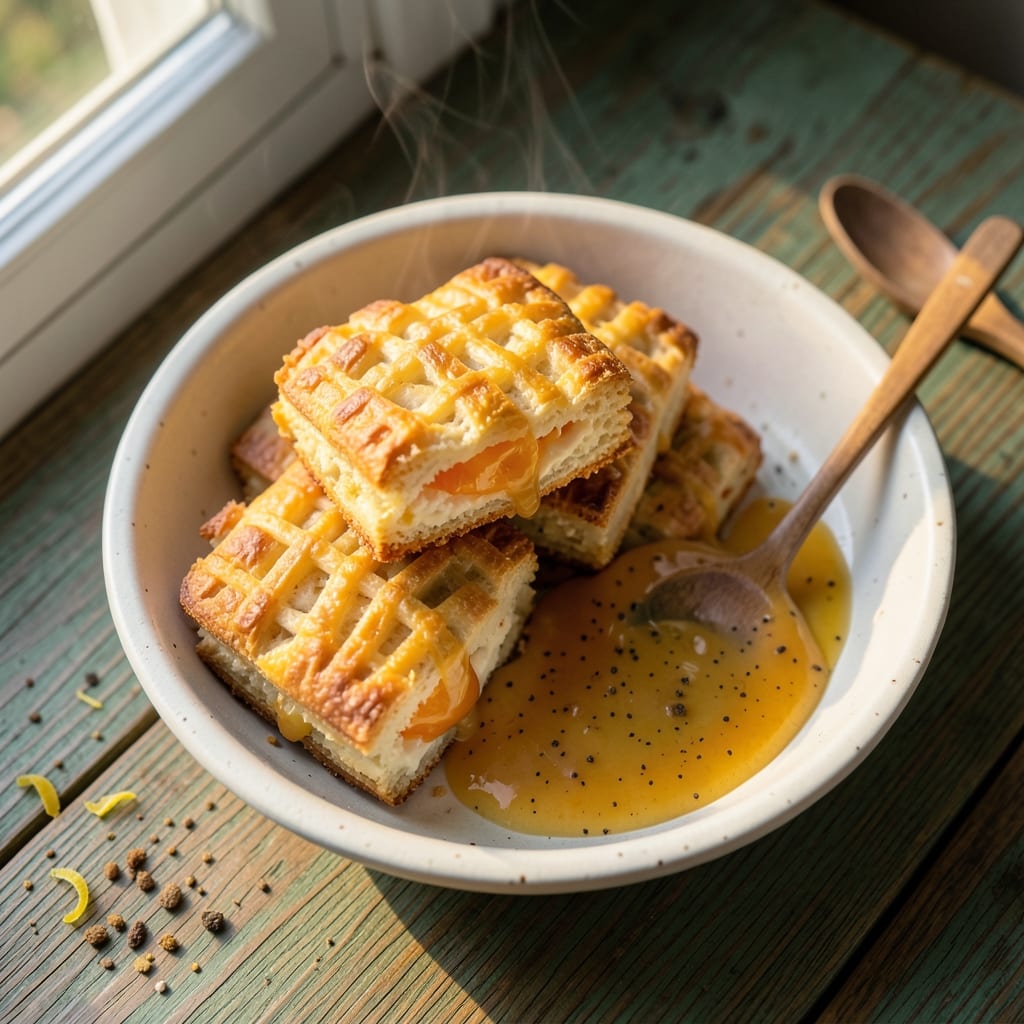
This cottage cheese egg biscuit recipe delivers flaky, golden layers with a surprise runny yolk center that transforms breakfast into something extraordinary. The secret lies in cottage cheese's ability to create tender, moist crumb while maintaining that signature biscuit flakiness—no shortcuts, just science-backed baking. I've perfected this technique after years of testing, ensuring every bite delivers crispy edges and a custardy interior that keeps you reaching for seconds.
The magic happens with a few key techniques: cold butter cut into pea-sized pieces for maximum flakiness, and cottage cheese that adds moisture without compromising texture. These biscuits rise beautifully in the oven, developing a golden brown crust that contrasts perfectly with the creamy egg center. The recipe uses simple pantry staples but delivers restaurant-quality results that'll have everyone asking for seconds.
What makes these biscuits special is that runny yolk surprise—each bite reveals warm, custardy egg yolk that coats every flaky layer. The combination of savory biscuit and rich egg creates a breakfast experience that feels indulgent yet balanced. Perfect for weekend brunches, holiday gatherings, or when you want to elevate a simple meal into something memorable.
Once you try these cottage cheese egg biscuits, you'll never go back to store-bought again. The recipe scales beautifully for crowds, and leftovers reheat perfectly in the oven. Here's everything you need to create this breakfast sensation in your own kitchen—no fancy equipment required, just good technique and patience.
Ingredients for cottage cheese egg biscuit
Simple pantry staples transform into golden, flaky biscuits with custardy egg surprises.
| Ingredient | Amount | Notes |
|---|---|---|
| Large Eggs 🥚 | 4 whole | Room temperature for best binding |
| Small-Curd Cottage Cheese 🧀 | 1 cup | Full-fat for moisture and richness |
| Unsalted Butter 🧈 | ¾ cup | Cold, cut into pea-sized pieces |
| All-Purpose Flour 🌾 | 2 ½ cups | Sifted for lighter texture |
| Baking Powder 🍞 | 1 tbsp | Freshly opened for lift |
| Diamond Crystal Kosher Salt 🧂 | 1 ½ tsp | Adjust to taste after baking |
| Black Pepper 🌶️ | ½ tsp | Freshly cracked for warmth |
| Whole Milk 🥛 | ½ cup | Cold for optimal tenderness |
| Granulated Sugar 🍚 | 1 tbsp | Balances savory flavors |
| Fresh Chives 🌿 | 2 tbsp | Chopped for garnish and brightness |
The cottage cheese is non-negotiable here—it's what creates that tender crumb while keeping the biscuits moist. Full-fat, small-curd cottage cheese works best (think 2% or whole milk variety), and you can find it in the dairy section near the yogurt. If you're using a larger curd brand, give it a quick pulse in the food processor first. The butter? Cold is critical—cut it into pea-sized pieces right before mixing, or it'll melt and ruin your flaky layers. I always grab Land O'Lakes unsalted butter from the store, but any good brand will do. For the flour, King Arthur or Gold Medal are my go-tos—they're reliable for baking, but honestly, whatever all-purpose you've got in your pantry will work fine.
No cottage cheese? Greek yogurt at half the amount gets you close, though the texture won't be identical. Running short on butter? Vegetable shortening mimics cold butter's behavior, but it'll give a slightly denser biscuit. The baking powder must be fresh—if it's more than six months old, test it first by mixing with water and seeing if it bubbles. For the eggs, room temperature is key—cold eggs can make the dough tough. If you're in a rush, just take them out of the fridge 30 minutes before using. The chives are optional but add a lovely fresh finish—dried chives work in a pinch, but fresh is definitely better if you've got it.
These biscuits are best made fresh, but you can prep the dough ahead and keep it in the fridge for up to 24 hours—just let it sit at room temperature for 15 minutes before shaping. For leftovers, reheat in a 350°F oven for 5-7 minutes until golden and crispy again. They freeze beautifully too—shape the biscuits, freeze on a tray, then transfer to a bag for up to 3 months. Bake straight from frozen, adding 2-3 minutes to the cooking time. The egg centers stay runny when baked fresh, but reheating can make them set—so enjoy them warm!
Why You'll Love This Recipe
- I’ll be real: cottage cheese and eggs are cheap, and this recipe stretches them far. A single batch feeds four for breakfast or six as a side, and the leftovers? They reheat like a dream—just pop them in the oven for a minute or two. No sad, dry edges, just warm, flaky goodness. My wallet and my family thank me every time.
- No Mixer Needed: I swear by this—just fold the cottage cheese into the flour, crack in the eggs, and stir until it’s almost there. That butter gets cold and cut into chunks (no waiting for it to soften), and suddenly you’ve got a dough that’s ready for shaping in minutes. Honestly, it’s the kind of recipe that makes me feel like I’ve hacked the system.
- Creamy Crispy Magic: The secret? Those eggs and cottage cheese work together like a dream—you get this tender, almost melt-in-your-mouth center with a golden, buttery crust that’s almost like a biscuit but richer. Between us, it’s the kind of texture that makes you pause mid-bite. (Yes, even on a Tuesday night.)
- Breakfast or Snack: Here’s what sold me—these are perfect for breakfast, but they’re also the ideal side for dinner. Serve them warm with honey and jam, or toss a few into a lunchbox with leftover chicken. My kids grab them cold for a snack, and my husband insists they’re better than store-bought biscuits. They’re that good.
Step-by-step instructions for cottage cheese egg biscuits
These biscuits deliver restaurant-worthy flakiness with a tender, eggy center that stays gloriously runny.
Cut Cold Butter Into Flour for Maximum Layers
In a large mixing bowl, combine the 2.5 cups all-purpose flour, 1 tablespoon baking powder, 1.5 teaspoons Diamond Crystal kosher salt, and 0.5 teaspoon black pepper. Whisk just until combined - you want to preserve those air pockets for lightness. Add the 1 tablespoon granulated sugar and whisk again.
Next, cut in the 0.75 cup cold unsalted butter using a pastry cutter or two forks. Work quickly but deliberately - you're aiming for pea-sized pieces that stay cold. The butter should look like coarse crumbs with some larger chunks remaining. If it starts melting, chill the bowl in the freezer for 5 minutes to reset the texture. This cold fat creates the signature flaky layers when baked.
Mix Wet Ingredients for Perfect Texture
In a separate bowl, whisk together the 4 whole large eggs, 1 cup small-curd cottage cheese, 0.5 cup cold whole milk, and 2 tablespoons chopped fresh chives. The cottage cheese adds moisture without making the biscuits dense, while the eggs provide that signature custardy center. Mix until completely smooth - no lumps should remain in the batter.
Here's the thing - the cottage cheese needs to be at room temperature for best results. If it's straight from the fridge, let it sit for 10 minutes before mixing. The cold milk helps keep the butter from melting too quickly during mixing, which is crucial for maintaining those flaky layers we're after.
Combine Wet and Dry Ingredients Gently
Make a well in the center of your flour mixture and pour in the wet ingredients. Using a wooden spoon or silicone spatula, gently fold everything together just until combined. You'll still see some dry flour streaks - that's perfect. Overmixing develops gluten and makes biscuits tough. Work quickly to keep the butter cold as you mix.
Once combined, the dough should be shaggy and slightly sticky but hold together when pressed. If it's too dry, add 1 teaspoon whole milk at a time until it just comes together. The dough shouldn't be sticky enough to leave residue on your hands. This texture ensures we get that tender crumb without losing the flaky layers.
Shape and Chill for Perfect Rise
Turn the dough out onto a lightly floured surface and gently pat it into a 1-inch thick rectangle. Fold the dough in thirds like a letter, then cut into 4 equal squares. Press each square down slightly to form neat biscuit shapes. Place them on a parchment-lined baking sheet about 1 inch apart - they'll expand significantly.
Here's where patience pays off: cover the biscuits loosely with plastic wrap and refrigerate for 30 minutes. This chilling step prevents the biscuits from spreading too much in the oven. While they're chilling, preheat your oven to 425°F with the rack positioned in the lower middle position. The hot air will rise and create that beautiful dome shape we want.
Bake Until Golden and Flaky
Bake the biscuits for 15-18 minutes until they're golden brown on top and the internal temperature reaches 190°F. You'll know they're perfectly done when they've puffed up and the edges are set but the tops still look slightly underdone. That's when you know the centers will remain tender and custardy.
For the ultimate presentation, transfer the biscuits to a wire rack and let them cool for 5 minutes before serving. The secret to serving these right is to cut them open while still warm - you'll get that glorious runny yolk center that makes these biscuits truly special. They're best enjoyed immediately with gravy or scrambled eggs for dipping.
Pro Tips For Making Cottage Cheese Egg Biscuit
- Whisk the Eggs Cold: Grab those eggs straight from the fridge and whisk them with the cottage cheese—no warm-up needed. I used to pull them out early, and the mixture turned out gummy instead of light. Cold eggs keep the texture tender, and the cheese blends smoother without curdling.
- Blend Cheese Until Smooth: Don’t just stir the cottage cheese—pulse it in a food processor or whisk it aggressively until it’s nearly liquid. Small-curd cheese can make biscuits dense if left lumpy, and this step guarantees a silky batter. (Yes, even if you’re impatient like me.)
- Chill the Dough 10 Minutes: Let the batter sit in the fridge while you preheat the oven—no need to wait long. This prevents the butter from melting too fast, so your biscuits rise properly instead of spreading into pancakes. I learned this the hard way after a batch turned out flat.
- Use a Mixing Bowl, Not Hands: Skip the temptation to knead the dough by hand—it’s sticky and frustrating. Mix everything in the bowl, then fold just enough to combine. Overworking it makes the biscuits tough, and your hands will thank you too. (Your future self will thank you.)
Creative variations of these flavors
Savory Breakfast Twist
Swap the chives for 2 tbsp finely chopped fresh dill and add ½ tsp garlic powder to the dry ingredients for a herby, garlicky variation. Top with crumbled feta cheese before baking for extra savory depth. These work perfectly with smoked salmon or creamy scrambled eggs for a brunch showstopper. 🌿
Sweet Cinnamon Roll
Replace the 1 tbsp granulated sugar with 2 tbsp brown sugar and add 1 tsp cinnamon to the dry mix. Fold in ½ cup chopped pecans after shaping. Brush baked biscuits with 2 tbsp melted butter> mixed with 1 tbsp maple syrup and sprinkle with extra cinnamon. Serve warm with vanilla ice cream for dessert!
Cheesy Jalapeño Kick
Add ½ cup shredded sharp cheddar to the dry ingredients and fold in 2 seeded, minced jalapeños with the wet mix. For extra heat, add ¼ tsp cayenne pepper to the flour mixture. These spicy biscuits pair perfectly with breakfast sausage gravy or refried beans for a Tex-Mex brunch.
Herb & Lemon Zest
Zest 1 lemon> and add it to the wet ingredients along with 1 tbsp chopped fresh parsley. Replace the chives with 1 tbsp chopped basil> for a bright, citrusy twist. These biscuits shine with grilled chicken> or avocado slices> for a lighter brunch option.
Everything Bagel Biscuits
Add 1 tbsp everything bagel seasoning> to the dry ingredients and top each biscuit with 1 tbsp cream cheese> before baking. The salty, sesame, poppy seed topping creates a perfect contrast with the rich egg center. Serve with lox and bagels> or hummus> for a fun brunch spread.
Nutrition facts
Frequently asked questions
Why does cottage cheese make these biscuits so tender?
The cottage cheese adds moisture and fat content without making the biscuits dense. Its high protein content also helps create a tender crumb while maintaining structure. The tiny curds break down during baking, creating that signature custardy texture in the center. Think of it as nature's built-in emulsifier for flaky layers!
Can I make these biscuits without cottage cheese?
Yes, but the texture will differ. Replace the cottage cheese with ½ cup Greek yogurt or ¼ cup sour cream plus 2 tablespoons milk for similar moisture. For best results, use full-fat dairy products. The runny yolk center may be less pronounced without cottage cheese's unique fat distribution.
How do I keep the egg centers runny?
Bake at 425°F for exactly 15-18 minutes until golden brown but still slightly underdone in the center. The internal temperature should reach 190°F at the thickest part. Cut immediately after baking while still warm—this preserves that perfect custardy surprise. Overbaking by even 1 minute can set the yolks completely.
What's the secret to extra flaky layers?
Keep everything cold! Use cold butter cut into pea-sized pieces, cold milk, and chill the dough for 30 minutes before baking. The contrast between cold fat and hot oven creates steam pockets that become those signature flaky layers. Work quickly during mixing to minimize butter melting.
Can I make these ahead of time?
Yes! Shape the biscuits and freeze them on a tray before baking. Transfer to a bag for up to 3 months. Bake straight from frozen, adding 2-3 extra minutes at 425°F. For make-ahead dough, refrigerate shaped biscuits (unbaked) for up to 24 hours. Reheat leftovers at 350°F for 5-7 minutes until golden and crispy again.