
Breakfast & Brunch
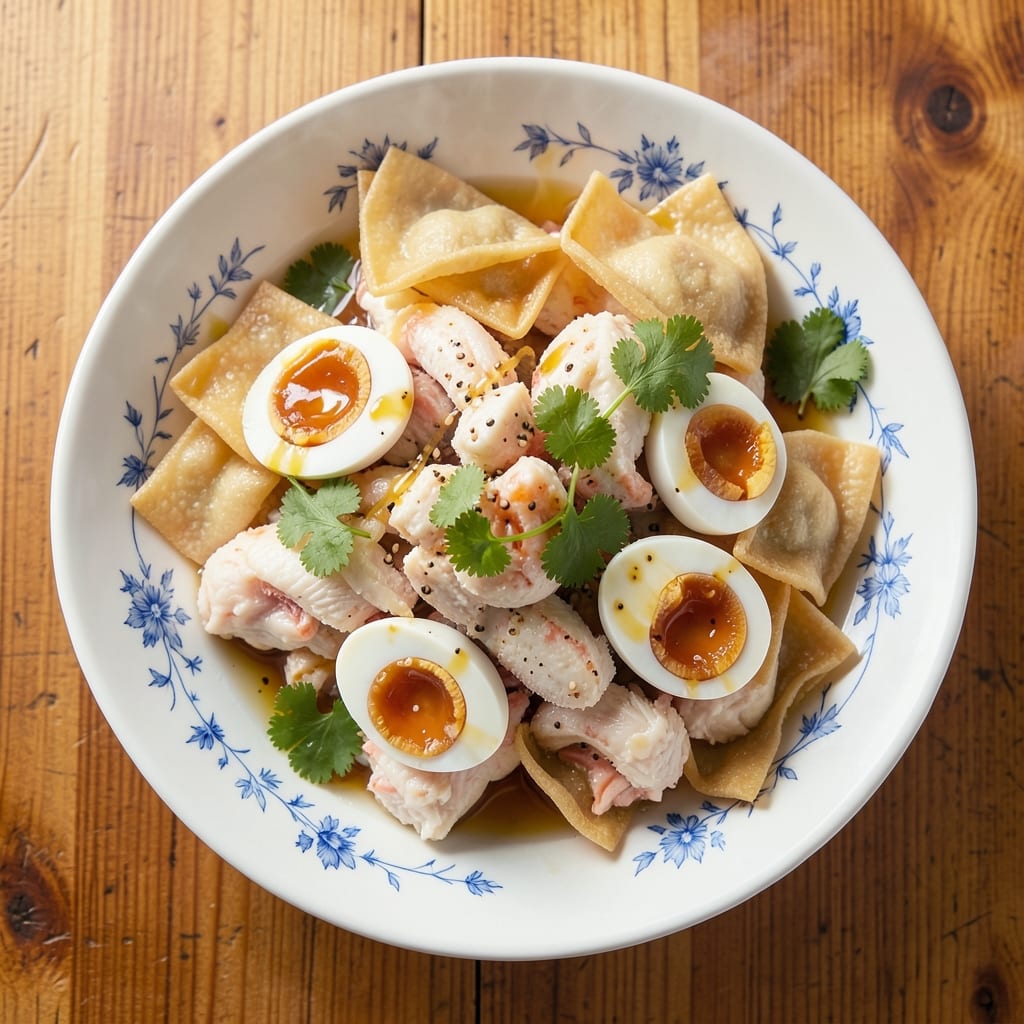
This crab in salted egg recipe transforms humble wonton shells into golden, crispy bites that balance briny crab with creamy salted egg yolk in every forkful. The technique comes straight from Cantonese cuisine, where the contrast between textures and flavors creates a dish that's both elegant and deeply satisfying. What makes this recipe special is the marriage of two iconic ingredients—sweet, tender crab meat and rich, salty egg yolks—that work together in perfect harmony.
The process begins with properly preparing the salted eggs, a skill that requires patience but delivers unmatched flavor. We'll show you how to achieve that signature silky yolk texture that melts in your mouth while maintaining the crispy structure of the wonton shells. The crab is marinated just enough to absorb subtle flavors without overpowering its natural sweetness, ensuring each bite delivers that perfect balance.
By the end, you'll have a dish that's crispy on the outside, tender on the inside, and bursting with layers of flavor—crispy wonton shells giving way to creamy salted egg and succulent crab. The result is a dish that's impressive enough for dinner guests but simple enough to make on a weeknight. This recipe captures the essence of Cantonese comfort food while keeping the preparation accessible for home cooks.
Pair it with steamed jasmine rice and a simple cucumber salad to complete the meal. The contrast of temperatures and textures makes every bite an experience. Let's get started on creating this restaurant-worthy dish in your own kitchen.
Ingredients for crab in salted egg
These crispy wonton shells and silky egg yolks create a perfect balance of textures and flavors in every bite.
| Ingredient | Amount | Notes |
|---|---|---|
| Wonton Shells 🥟 | 12 pieces | Store-bought or homemade |
| Salted Egg Yolks 🥚 | 4 whole | Freshly prepared or store-bought |
| Lump Crab Meat 🦀 | 1 ½ lb | Backfin or claw meat preferred |
| Cornstarch 🌾 | ½ cup | For crispy coating |
| Vegetable Oil 🫒 | 3 cups | High smoke point preferred |
| Sesame Oil 🫒 | 1 tbsp | Toasted for aroma |
| Soy Sauce 🥢 | 2 tbsp | Light or dark preferred |
| Oyster Sauce 🍲 | 1 tbsp | For umami depth |
| Shaoxing Wine 🍷 | 1 tbsp | Or dry sherry substitute |
| Garlic Cloves 🧄 | 2 cloves | Minced for marinade |
| Ginger Root 🌿 | 1 tbsp | Freshly grated |
| Lemon Juice 🍋 | 1 tbsp | Freshly squeezed |
| Green Onions 🧅 | 2 whole | Sliced for garnish |
| Salt 🧂 | ½ tsp | Kosher or sea salt |
| White Pepper 🌶️ | ¼ tsp | Freshly ground |
The salted egg yolks are the heart of this dish—look for fresh, plump yolks with that signature marbled texture. Asian grocery stores usually carry them pre-made, but if you're feeling adventurous, making them at home is worth the effort. For the crab, backfin or claw meat gives that luxurious texture, though lump crab works beautifully too. The wonton shells should be sturdy but pliable—Wonton Food Inc. brand is my go-to for consistent quality. Keep everything chilled until ready to use, especially the crab meat, to maintain its delicate texture.
No Shaoxing wine? Dry sherry or even a splash of rice vinegar works in a pinch, though the flavor will be slightly different. Fresh ginger is ideal, but powdered ginger at half the amount gets you close. The cornstarch is non-negotiable for that signature crisp—don't substitute with flour. For the oil, peanut or vegetable oil with high smoke point is perfect. If you can't find lump crab, finely chopped imitation crab plus a pinch of MSG mimics the texture surprisingly well. The sesame oil should be toasted—Kadoya brand is my favorite for that nutty aroma.
This dish is best served immediately after frying to maintain the crispy texture, but you can prepare the filling ahead of time and store it in the fridge for up to 2 days. The wonton shells keep well in an airtight container for 1 week at room temperature. If you're making a batch for a crowd, fry in small batches to prevent the oil from losing its heat. Leftovers? Store in an airtight container for 1 day—they won't be as crispy but still delicious. Garnish with green onions right before serving to keep them vibrant.
Why You'll Love This Recipe
- Crispy in Minutes: I swear, the cornstarch coating turns those wonton shells into shatteringly crispy pockets in just 4 minutes. No flipping, no fuss—just toss, fry, and devour.
- Umami Bomb: That salted egg yolk? It’s the star. Creamy, briny, and packed with rich flavor that makes every bite taste like a little luxury. The lump crab meat just melts into it—no overpowering seafood taste here.
- Party-Ready Bites: Between us, these are my go-to for potlucks or lazy Sunday brunches. Serve them warm with a squeeze of lime or chili oil, and suddenly you’re the host everyone wants to see again.
- Leftovers? More Like Leftovers Never: Honestly, I’ve never had these last past the second day—but that’s because they’re so good, I eat them straight from the fridge. (Yes, even on a Tuesday night.) The crisp stays, the crab stays juicy, and the salted egg flavor only gets better.
Step-by-step instructions for crab in salted egg wonton cups
Here's how to achieve that perfect balance of crispy wonton shells and velvety salted egg filling.
Prepare the Crab Filling
In a mixing bowl, combine the 1.5 lb lump crab meat with 2 tbsp soy sauce, 1 tbsp oyster sauce, 1 tbsp Shaoxing wine, 1 tbsp freshly grated ginger root, and 1 tbsp freshly squeezed lemon juice. Gently fold these ingredients together using a silicone spatula—you want to preserve the crab's texture while distributing the flavors evenly.
Add the 4 whole salted egg yolks to the mixture, breaking them gently to distribute their rich, creamy centers throughout the crab. Sprinkle in the 0.5 tsp salt and 0.25 tsp white pepper, then mix until fully incorporated. The filling should be cohesive but still hold its shape when packed into wonton shells. If it feels too loose, chill it in the refrigerator for 15 minutes to firm up slightly.
Assemble the Wonton Cups
Place the 12 wonton shells on a clean, dry surface. Using a small spoon or your fingers, carefully press a heaping teaspoon of the crab filling into the center of each wonton shell. The filling should be generous but not overflowing—you want enough to create a satisfying bite without making the cups too cumbersome to handle.
Gently fold the wonton shells over the filling, pressing the edges firmly to seal them completely. Any gaps will allow filling to leak during frying, so take your time to ensure each cup is tightly closed. Place the assembled wonton cups on a plate and set them aside while you prepare the frying station.
Create the Crispy Coating
In a small bowl, combine the 0.5 cup cornstarch with 1 tbsp sesame oil, 0.25 tsp salt, and 0.125 tsp white pepper. This mixture will create the crispy, golden crust that makes these wonton cups irresistible. Stir well to ensure the cornstarch is evenly coated with the sesame oil, which will add a nutty aroma to each bite.
Lightly brush or dip each assembled wonton cup in this cornstarch mixture, making sure to coat all sides evenly. This step is crucial for achieving that perfect crispy texture. Place the coated wonton cups on a wire rack set over a baking sheet to allow any excess coating to drip off before frying.
Fry to Golden Perfection
Heat 3 cups vegetable oil in a deep skillet or wok over medium-high heat until it reaches 350°F. You'll know it's ready when a small piece of wonton shell dropped into the oil sizzles immediately and floats to the surface. This is the ideal temperature for achieving a crispy exterior without burning the filling.
Carefully add the wonton cups to the hot oil, working in batches to avoid overcrowding. Fry for 2-3 minutes per batch, turning occasionally, until they turn a deep golden brown color. The wonton cups are done when they're crispy on the outside and the filling is just beginning to set inside. Drain them on a wire rack or paper towels to remove any excess oil.
Garnish and Serve
While still warm, garnish each wonton cup with thin slices from the 2 whole green onions. The bright green color and fresh flavor provide a beautiful contrast to the rich, golden-brown exterior. Serve immediately while the wonton cups are crispy and the filling is still warm and silky.
These wonton cups are best enjoyed right away, straight from the fryer. The contrast of the crispy wonton shell with the creamy, flavorful crab filling creates a truly unforgettable bite. Pair them with a dipping sauce of your choice, such as a light soy-vinegar mixture or a spicy chili oil, to enhance the experience further.
Pro Tips For Making Crab In Salted Egg
- Prep Egg Yolks First: Crack those salted egg yolks into a bowl before you start frying the wontons. The saltiness seeps into the crab filling faster when it’s raw—no one wants a bland center because you rushed the mixing. I learned this the hard way when my first batch tasted like crab and regret.
- Coat Crab Lightly: Toss the lump crab meat with just a pinch of cornstarch—enough to lightly dust, not coat. Too much turns it gluey, and the texture becomes sad and heavy. Think "sprinkle, don’t drown," and save the rest for the wonton shells.
- Fry Wontons in Batches: Crowd the pan, and you’ll steam the wontons instead of frying them. Use a nonstick skillet and fry two at a time max—golden brown takes about 2 minutes per side. I know, I know, it’s slower, but soggy wontons are a crime against this dish.
- Rest Before Serving: Let the fried wontons sit covered for 5 minutes after frying. The residual heat finishes cooking the crab filling evenly, and the shells stay crisp. Skipping this step means a gummy center—trust me, your mouth will notice.
Regional styles of these flavors
Cantonese Origins
This dish traces back to Cantonese cuisine, where it's known as "蟹黃春卷" (crab yellow spring rolls). In traditional Cantonese homes, it was often prepared for special occasions like Lunar New Year, where the salted egg symbolizes prosperity and the crab represents wealth. The technique of frying wonton shells with a crispy coating while keeping the filling tender is a hallmark of Cantonese dim sum culture. 🥟
Hong Kong Street Food
In Hong Kong, you'll find this dish at bustling street markets and cha chaan tengs (local tea restaurants) as "蟹黃包" (crab yellow buns). Vendors there often use a lighter, flakier wonton wrapper that's easier to bite into, and they'll add a touch of chili oil to the filling for a subtle kick. The Hong Kong version also sometimes includes dried shrimp in the filling for extra umami depth.
Taiwanese Twist
Taiwanese chefs often transform this dish into "蟹黃餅" (crab yellow pancakes) by pressing the wonton cups into a flat, round shape before frying. They'll also incorporate pickled ginger into the filling for a tangy contrast to the richness of the salted egg. In Taipei's night markets, you'll find vendors serving these with a sweet hoisin sauce drizzle on top.
Modern Fusion Adaptations
Chefs in North America and Europe have put their own spin on this classic. Some versions replace traditional wonton shells with puff pastry for a flakier texture, while others incorporate lobster instead of crab for a more luxurious presentation. I've even seen gourmet adaptations where the salted egg filling is infused with truffle oil or topped with edible gold leaf for special occasions.
Regional Salted Egg Variations
The type of salted egg used varies by region. In Guangdong, they prefer a softer, creamier yolk with less salt penetration, while Fujian versions tend to be firmer with a more intense salty flavor. For this recipe, I recommend using Guangdong-style salted eggs as they melt more beautifully in the filling. If you can't find them, look for "Chinese preserved eggs" labeled as "soft" in Asian markets. 🥚
Dim Sum House Secrets
In authentic dim sum houses, they have special techniques to keep the wonton shells extra crispy. Some chefs will double-fry the wonton cups—first at 325°F for 1 minute, then again at 375°F for 30 seconds—to create that perfect crunch. They also use a special wonton wrapper made with egg wash that's slightly thicker than store-bought versions. For home cooks, the Wonton Food Inc. brand gets closest to this professional texture.
Nutrition facts
Frequently asked questions
Can I substitute imitation crab for real lump crab?
Yes, but with a few adjustments! Use 1.5 cups of imitation crab meat and add 1 tsp MSG plus 1 tbsp extra soy sauce to mimic the umami depth of real crab. The texture will be slightly different, but it works well for a budget-friendly version. For best results, drain the imitation crab well to avoid excess moisture in the filling.
How do I make the salted egg yolks at home?
Start with 4 fresh duck or chicken eggs and cover them completely in a mixture of 1 cup coarse salt and 1 cup water for 5-7 days at 75°F. The yolks will turn a deep marbled brown. To use them, peel carefully, remove the yolks, and rinse briefly under cold water to remove excess salt. Let them air-dry before using in your recipe.
Why did my wonton cups fall apart when frying?
This usually happens when the filling is too loose or the wonton shells aren't sealed properly. Chill the filling for 15 minutes before assembling to firm it up, and press the wonton edges firmly to create a tight seal. Also ensure your oil temperature is at 350°F—too low heat causes soggy shells, while too high can burn the outside before the inside cooks.
Can I bake these instead of frying?
You can try an air fryer for a lighter version! Brush the assembled wonton cups with oil and air fry at 375°F for 8-10 minutes, turning halfway. They won't be as crispy as fried, but the filling will still be delicious. For oven baking, place on a parchment-lined tray and bake at 400°F for 12-15 minutes, but expect less crunch.
What's the best way to store leftovers?
Store in an airtight container for up to 1 day at room temperature, but they'll lose some crispiness. For longer storage, freeze for up to 1 month. To reheat, warm in a 350°F oven for 5-7 minutes or air fry at 375°F for 3-4 minutes to restore some crunch. The filling will still be flavorful, though!