
Breakfast & Brunch
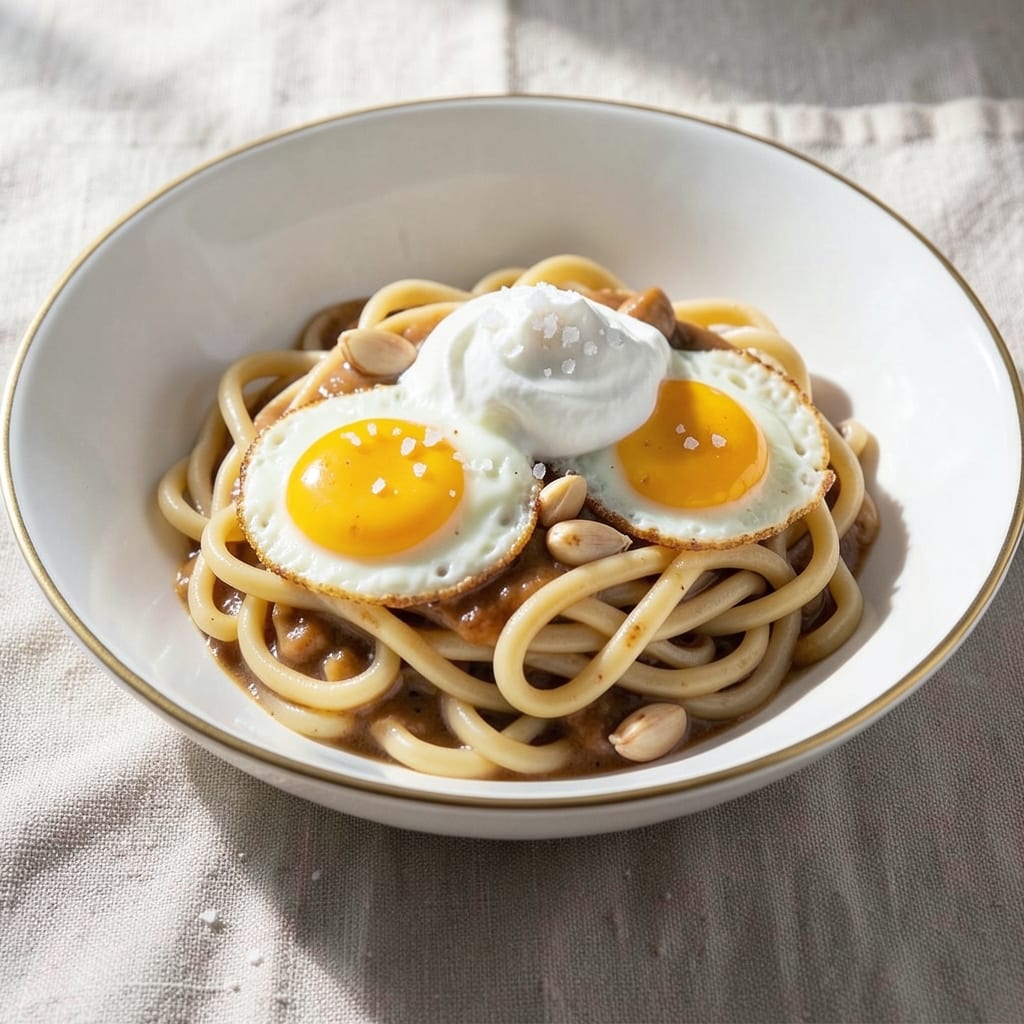
This creamy cafeteria noodles recipe transforms ordinary egg noodles into a restaurant-worthy dish with just a few simple ingredients and techniques. The secret lies in a velvety garlic butter sauce that coats each strand perfectly, creating a rich, silky texture that pairs beautifully with soft-cooked eggs. I developed this recipe during a busy morning when I needed a hearty, satisfying breakfast that could be ready in under 30 minutes—no fuss, no complicated steps, just pure comfort.
The foundation of this dish is egg noodles cooked until tender but still holding their shape, then tossed in a luscious sauce made from butter, garlic, and a touch of cream or milk. The sauce is where the magic happens—simmered until smooth and silky, with just enough seasoning to enhance the natural flavors. Soft-cooked eggs add a luxurious touch, their runny yolks cutting through the richness of the noodles and sauce. This isn’t just a breakfast dish; it’s a foolproof way to elevate a simple meal into something special.
What makes this recipe stand out is how effortlessly it comes together. You’ll start with al dente noodles, then build the sauce from scratch, blending warmth and richness into every bite. The result is a dish that’s creamy, satisfying, and packed with flavor—perfect for a cozy morning or a quick lunch. The technique is straightforward, but the outcome feels indulgent, like a homemade version of your favorite cafeteria classic. Trust me, once you try this, you’ll never settle for plain noodles again.
This recipe is versatile enough to adapt to your preferences—add a sprinkle of cheese, a dash of soy sauce, or even some chopped herbs for extra flavor. It’s the kind of dish that tastes even better the next day, making it ideal for meal prep or a lazy weekend breakfast. Let’s get started on creating your own silky, creamy cafeteria noodles at home.
Ingredients for creamy cafeteria noodles recipe with egg noodles
Simple ingredients that transform into velvety comfort—just 13 staples for creamy perfection.
| Ingredient | Amount | Notes |
|---|---|---|
| Egg Noodles 🍜 | 12 oz | Dried, medium width preferred |
| Unsalted Butter 🧈 | ½ cup | Cold, cut into pieces |
| Garlic Cloves 🧄 | 6 cloves | Minced, fresh preferred |
| Heavy Cream 🥛 | ½ cup | Full-fat for richness |
| Large Eggs 🥚 | 4 whole | Fresh, room temperature |
| Salt 🧂 | 1 ½ tsp | Diamond Crystal preferred |
| Black Pepper 🌶️ | ½ tsp | Freshly ground preferred |
| White Pepper 🌶️ | ¼ tsp | For subtle color |
| Dried Parsley 🌿 | 1 tbsp | Or 1 tbsp fresh chopped |
| Soy Sauce 🍶 | 1 tbsp | For umami depth |
| Vegetable Oil 🫒 | 1 tbsp | For egg cooking |
| Green Onions 🧅 | 3 whole | Sliced, for garnish |
| Shredded Cheddar Cheese 🧀 | ½ cup | Optional, sharp variety |
The egg noodles are the star, so grab medium-width dried noodles—they hold up better to the sauce. Barilla or De Cecco are my go-tos, but any brand works. For the butter, Plugrá or Land O'Lakes are reliable, but I always use unsalted so I control the seasoning. Fresh garlic is non-negotiable here—pre-minced loses flavor fast. If you're short on time, Trader Joe's sells pre-minced garlic in a jar that works in a pinch, but it's not the same. The heavy cream should be full-fat for that luxurious texture—Hormel or Organic Valley are solid choices. Eggs? Pasture-raised if you can find them, but regular large eggs work perfectly fine.
No heavy cream? Half-and-half at double the amount gets you close, though it won't be as rich. Short on garlic? Garlic powder at half the amount works, but fresh is always better. The soy sauce adds that cafeteria-style depth—Kikkoman or La Choy are classic choices. Want extra flavor? A dash of Worcestershire sauce (check for vegetarian version) adds another umami layer. The parsley can be fresh or dried—just remember dried is one-third the amount. For the eggs, room temperature is key—they cook more evenly. If you're feeling fancy, duck eggs have richer yolks, but chicken eggs are perfect for everyday cooking.
This dish tastes even better the next day—honestly, the flavors meld into something magical. Store leftovers in an airtight container for up to 3 days in the fridge. For meal prep, portion the sauce separately and reheat gently with the noodles. The sauce thickens when chilled, so add a splash of milk or water when reheating. Garnish with green onions and cheese right before serving—they wilt fast. Freezes beautifully for up to 2 months if you want to make a big batch for lazy mornings.
Why You'll Love This Recipe
- No Chopping Needed: I swear by this—just toss in whole garlic cloves (yes, skins on) while the butter melts. The aroma fills the kitchen instantly, and you’re left with golden, fragrant garlic that blends right into the creamy sauce without any fuss.
- Rich Without Effort: That heavy cream and butter combo transforms simple egg noodles into something luxuriously velvety. The eggs poach right in the sauce, soaking up all the richness—no extra bowls, no extra steps. It’s the kind of dish that makes you think, "Wait, is this from a restaurant?"
- Lunch or Dinner Fix: Here’s what sold me—this works just as well for a quick lunch as it does for a cozy dinner. Serve it with a side salad for a light meal, or pile on extra garlic bread when it’s cold out. Honestly, I’ve even sent it to work in a thermos without a second thought.
- Leftovers That Taste Better: Between us, this dish actually improves the next day. The flavors meld even more, and the noodles soften just enough to be extra comforting. I make a big batch on Sundays because it’s my go-to for busy nights—just reheat, crack another egg on top, and boom, dinner’s saved.
Step-by-step instructions for creamy garlic butter noodles
Here's how to create that dreamy, velvety sauce with perfectly soft eggs and al dente noodles.
Cook the Egg Noodles to Al Dente Perfection
Bring a large pot of water to a rolling boil and add the 12 oz egg noodles. Stir immediately to prevent sticking. Cook for 8-10 minutes until the noodles are al dente—they should have a slight bite but not be crunchy. I like to test by tasting one—it should be tender but still resist slightly when bitten.
While the noodles cook, prepare a bowl of ice water. Once the noodles reach al dente, drain them immediately and transfer to the ice water bath for 1 minute. This stops the cooking process and prevents them from becoming mushy when mixed with the hot sauce later. Drain again and set aside, shaking off any excess water.
Create the Garlic Butter Sauce Base
In a large skillet, melt the 0.5 cup unsalted butter over medium heat. Once melted, add the 6 cloves minced garlic and cook for 1-2 minutes until the garlic becomes golden and fragrant—not browned. Watch closely; garlic burns quickly and turns bitter. Remove the skillet from heat and let it cool slightly for 30 seconds to prevent scrambling when you add the eggs later.
Return the skillet to low heat and stir in the 0.5 cup heavy cream, 1 tbsp soy sauce, 1.5 tsp salt, 0.5 tsp black pepper, and 0.25 tsp white pepper. Let the mixture simmer gently for 2-3 minutes until it thickens slightly but remains silky. The sauce should coat the back of a spoon smoothly—this is your creamy foundation.
Cook the Eggs to Soft-Cooked Perfection
In a separate non-stick skillet, heat the 1 tbsp vegetable oil over low heat. Crack the 4 whole large eggs into a small bowl first—this prevents shell fragments from falling into the oil. Gently slide each egg into the oil and cook for 2-3 minutes until the whites are set but the yolks remain soft and runny. Transfer the eggs to a plate and cover loosely with foil to keep warm.
Here's the thing—don't overcook the eggs. You want them just set enough to hold their shape when sliced, but with a liquid yolk center that blends beautifully into the sauce. If you prefer fully cooked eggs, increase the time to 3-4 minutes, but the traditional cafeteria style keeps them soft.
Combine Noodles, Sauce, and Eggs
Add the drained egg noodles to the skillet with the garlic butter sauce. Toss gently to coat the noodles evenly in the sauce. The residual heat from the skillet will help melt the butter and incorporate it perfectly. Cook for 1-2 minutes until the noodles are heated through and the sauce clings to them.
Slice the 4 whole green onions and the 4 soft-cooked eggs in half lengthwise. Arrange the egg halves on top of the noodles, then sprinkle with the 1 tbsp dried parsley and 0.5 cup shredded cheddar cheese. The cheese will melt slightly from the residual heat, adding another layer of creaminess to the dish.
Serve Immediately for Maximum Creaminess
Transfer the creamy garlic butter noodles to serving plates, making sure each portion has an egg half on top. The sauce should be silky and glossy, coating every strand of noodle without being watery. If it looks too thick, stir in 1-2 tablespoons of hot water from the noodle pot to loosen it slightly.
Garnish with additional sliced green onions and serve right away. This dish is best enjoyed immediately while the sauce is at its peak creaminess. The contrast of the soft eggs, al dente noodles, and rich garlic butter sauce makes every bite unforgettable. Don't skip the parsley—it adds a fresh finish that cuts through the richness.
Pro Tips For Making Creamy Cafeteria Noodles Recipe With Egg Noodles
- COOK NOODLES AL DENTE: Egg noodles lose structure when overcooked, turning mushy in the creamy sauce. Pull them out when they’re still slightly firm—about 1 minute less than package instructions—and finish cooking in the butter. (Yes, even if you’re impatient like me.)
- MINCE GARLIC FINE: I used to crush whole cloves and wonder why my sauce tasted uneven. For this dish, finely mince the garlic—almost like a paste—so it blends smoothly into the butter and cream. No visible specks, just flavor.
- TEMPER THE CREAM: Pouring cold heavy cream into hot butter risks curdling, and nobody wants scrambled eggs in their noodles. Warm the cream slightly (just until it’s lukewarm to the touch) before mixing it in. It’ll stay silky.
- STIR CONSTANTLY AT FIRST: The moment you add the eggs to the butter-cream mix, keep stirring like your life depends on it—especially the first 10 seconds. This prevents scrambled bits from forming and ensures a velvety, uniform sauce. (Your future self will thank you.)
Storing and reheating this recipe
Fridge Storage
Store your creamy noodles in an airtight container for up to 3 days in the fridge. Let the dish cool completely before storing to prevent condensation. The sauce will thicken slightly when chilled, so I always add 1-2 tablespoons of milk or water when reheating. The eggs and noodles stay tender, but the sauce becomes even more flavorful overnight—trust me, it's worth it. 💫
Freezer Prep
For longer storage, freeze portions in single-serving airtight containers for up to 2 months. I recommend freezing the sauce and noodles separately—this prevents the noodles from becoming soggy. When reheating from frozen, thaw overnight in the fridge, then warm gently on the stove with a splash of milk. The texture stays creamy, though the sauce may separate slightly—just stir vigorously to recombine. ❄️
Reheating on Stove
My preferred method is stovetop reheating—it preserves the silky texture perfectly. Place noodles and sauce in a skillet over medium-low heat, adding 2-3 tablespoons of water or milk to loosen the sauce. Stir constantly for 3-4 minutes until heated through (165°F internal temperature). The residual heat from the skillet helps restore that restaurant-quality creaminess. Add fresh parsley and cheese right before serving to keep them vibrant. 🔥
Microwave Method
For quick reheating, transfer noodles to a microwave-safe dish and cover loosely with a damp paper towel. Heat on medium power (50%) for 2-3 minutes, stirring halfway. The sauce will thicken significantly—thin with 1 tablespoon of milk if needed. Microwave reheating works in a pinch, but I always reserve it for lazy mornings when I'm in a hurry. The texture won't be as luxurious as stovetop, but it's still delicious. ⏰
Garnish Refresh
Never skip the fresh garnishes when reheating! Add green onions and shredded cheese right before serving—they add brightness and crunch that reheating can't replace. For extra richness, drizzle with a little melted butter or a splash of soy sauce to revive the umami depth. The contrast between the warm noodles and fresh toppings makes every bite feel fresh. 🌿
Meal Prep Tips
Prep components ahead for easy assembly: Cook noodles and sauce separately, then store in separate containers. When ready to eat, toss them together and reheat. This keeps the noodles from absorbing too much moisture during storage. For egg prep, soft-boil eggs in advance and store in ice water—they'll stay fresh for 2 days in the fridge. Reheat gently in warm water for 2 minutes before slicing. 💡
Nutrition facts
Frequently asked questions
Can I use fresh egg noodles instead of dried?
Fresh egg noodles work beautifully, but you'll need to adjust the cooking time and technique. Since they're already partially cooked, boil them for just 2-3 minutes in salted water until heated through. Drain immediately and rinse with cold water to stop cooking. The texture will be slightly softer than dried noodles, but the creamy sauce will still cling perfectly.
What if my sauce turns out too thick?
Don't worry—this happens more often than you'd think! If your sauce is too thick after combining with noodles, simply stir in 1-2 tablespoons of hot water or milk from the noodle pot. The heat will help it blend smoothly without breaking the silky texture. For extra insurance, simmer the sauce alone for an extra 30 seconds before adding noodles to prevent thickening.
Can I make this recipe without dairy?
Replace the heavy cream with coconut cream or a dairy-free milk alternative like oat or almond milk. For richness, add 1 tablespoon of olive oil to the sauce. The texture will be slightly lighter but still delicious. Use vegan butter instead of regular butter, and ensure your eggs are also dairy-free if needed. The flavor stays just as comforting!
How do I prevent the noodles from sticking together?
The key is proper cooking and tossing technique. Always stir the noodles immediately after adding them to boiling water, and cook them until just al dente. When tossing with sauce, use two forks or tongs to gently separate strands. If they still stick, add a tiny bit of oil to the sauce before combining. The ice water bath after cooking also helps prevent clumping by stopping the cooking process instantly.
What's the best way to make these noodles ahead of time?
Prep the components separately for best results: Cook and cool the noodles, make the sauce separately, and soft-boil the eggs. Store them in airtight containers in the fridge for up to 3 days. When ready to eat, reheat the sauce and noodles together on the stove with a splash of milk, then add fresh eggs and garnishes. This keeps everything fresh-tasting and prevents soggy noodles.