
Breakfast & Brunch
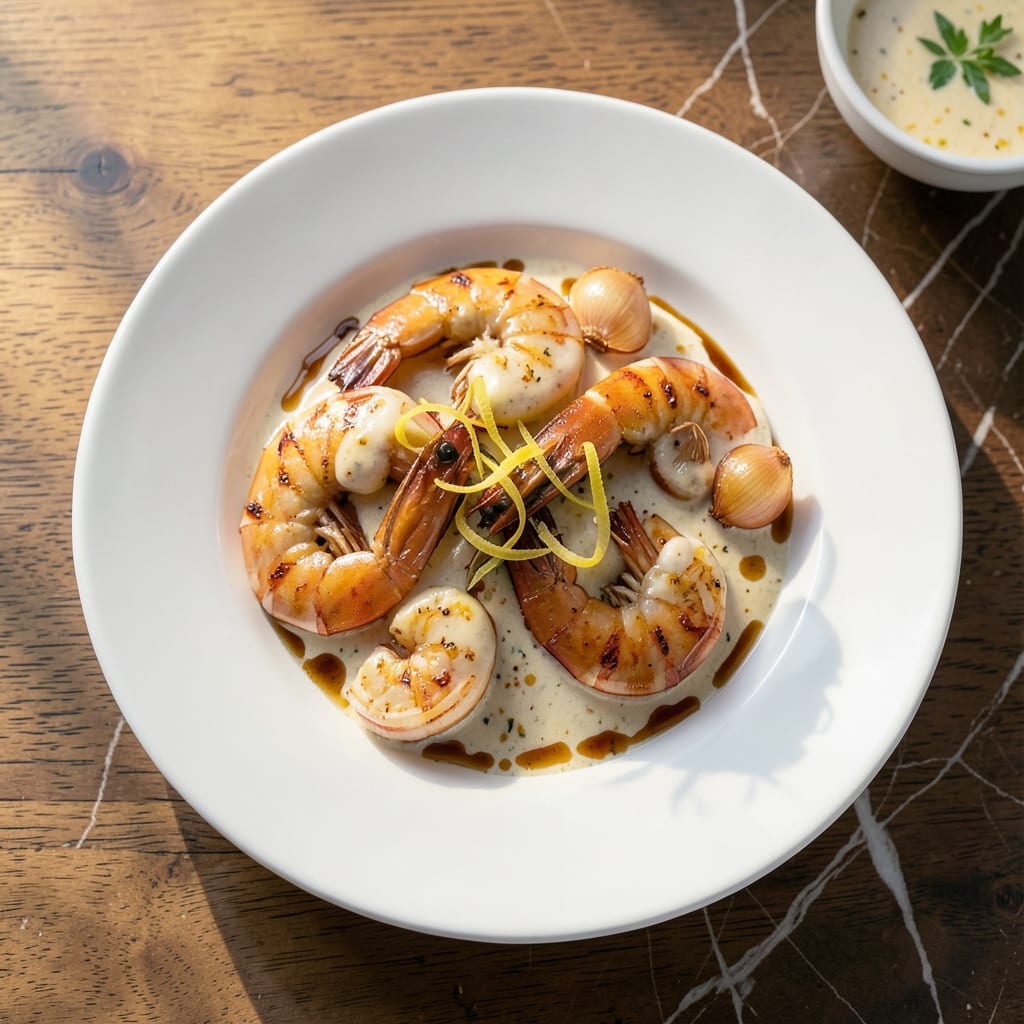
This creamy salted egg shrimp recipe transforms simple ingredients into a luxurious brunch dish that balances rich, velvety sauce with tender shrimp and crunchy toppings. The secret lies in properly preparing the salted egg—its umami depth cuts through the creaminess while adding a subtle, addictive flavor that makes every bite unforgettable. I developed this after years of experimenting with Cantonese-style seafood dishes, and it’s now my go-to for weekend gatherings.
The recipe starts with perfectly cooked shrimp—just enough time to keep them tender yet firm—then combines them with a luscious sauce made from heavy cream, salted egg yolk, and a touch of soy sauce for depth. The sauce is silky and coats the shrimp beautifully, while the crunchy fried shallots on top add a satisfying contrast. What makes this dish special is how the flavors come together: the salted egg’s savory richness, the cream’s velvety texture, and the shrimp’s natural sweetness create a perfect harmony.
What you’ll end up with is a restaurant-quality plate that’s surprisingly simple to make at home. The shrimp stays juicy and pink, the sauce is perfectly balanced—not too heavy, not too light—and the crunchy shallots add a delightful textural element. Serve it over steamed jasmine rice or with a side of stir-fried greens for a complete meal that feels both elegant and comforting.
This dish is ideal for brunch or lunch, especially when you want something special without the fuss. The recipe scales easily, so you can make it for two or a crowd. Let’s get cooking—your taste buds will thank you.
Ingredients for creamy salted egg shrimp
Fourteen ingredients for a restaurant-worthy brunch that feels like a hug in sauce form.
| Ingredient | Amount | Notes |
|---|---|---|
| Large Shrimp (Peeled & Deveined) 🦐 | 1 ½ lb | 16-20 count, tail-on preferred |
| Heavy Whipping Cream 🥛 | 1 cup | Full-fat for best texture |
| Salted Egg Yolks 🥚 | 4 whole | Freshly prepared or store-bought |
| Light Soy Sauce 🍶 | 1 tbsp | For subtle umami balance |
| Shallots 🧅 | 3 whole | Thinly sliced for frying |
| Vegetable Oil 🫒 | ½ cup | High smoke point for frying |
| Jasmine Rice 🍚 | 1 cup | Uncooked, for serving |
| Garlic Cloves 🧄 | 2 cloves | Minced for sauce |
| Sesame Oil 🌿 | 1 tsp | For finishing |
| Green Onions 🧅 | 3 whole | Sliced for garnish |
| Salt 🧂 | ½ tsp | Kosher or sea salt |
| White Pepper 🌶️ | ¼ tsp | Freshly ground for texture |
The salted egg yolks are the star—look for fresh ones at Asian markets or make your own by curing duck eggs in brine. If you can't find them, substitute with high-quality duck egg yolks (they're the closest match). The shrimp should be plump and pink—16-20 count is perfect for this dish. I always grab mine frozen at Trader Joe's or Costco because they're pre-peeled and ready to cook. Thaw them in the fridge overnight for best texture. The heavy cream needs to be full-fat—none of that light stuff—or the sauce will turn out thin and watery. For the shallots, green onions work in a pinch, but they won't give you that same sweet, caramelized crunch.
No salted egg yolks? Mix 4 duck egg yolks with 1 tbsp soy sauce and 1 tsp sugar for a quick substitute. The sauce can handle a splash of chicken or seafood stock if you want to lighten it up. For the shallots, red onion slices work too, but they'll be less delicate. If you're frying them and they burn, lower the heat and work in batches. The green onions add freshness, but if you're out, cilantro or chives will do in a pinch. The sesame oil is non-negotiable for that authentic aroma—don't skip it. And trust me, the white pepper isn't just for looks—it adds a subtle crunch that balances the creamy sauce perfectly.
This sauce reheats beautifully—just warm it gently on the stove with a splash of water to loosen it up. Store leftovers in the fridge for up to 3 days, covered with plastic wrap pressed right on the surface to prevent a skin. The fried shallots stay crispy for about 2 days if you keep them in an airtight container. For the shrimp, cook only what you need—they're best eaten fresh off the heat. The jasmine rice can be made ahead and reheated with a splash of water. I always double the sauce recipe because it disappears faster than you'd think—perfect for leftovers
Why You'll Love This Recipe
- One-Pot Magic: I swear by this recipe for lazy nights—just toss shrimp, cream, and those salty yolks in one pan. No chopping mountains of veggies, no fussy layers, just simmer until the sauce clings like a dream.
- Umami Bomb: That salted egg yolk? It’s the star. The creamy richness cuts through the shrimp’s sweetness while the soy sauce adds this deep, savory punch—like a hug for your taste buds. Honestly, I’ll take this over any plain butter sauce.
- Weeknight & Weekend: Make it for your partner’s "I’m too tired" night or double it for a dinner party. The leftovers reheat beautifully (yes, even the next day), and it’s fancy enough to impress without trying too hard.
- Budget Luxury: Shrimp feels special, but this recipe stretches it. A single salted egg yolk goes a long way, and the cream makes it feel indulgent without breaking the bank. My go-to when I want restaurant-quality without the price tag.
Step-by-step instructions for creamy salted egg shrimp
Here's how to create that perfect balance of rich, velvety sauce and delicate shrimp.
Prepare the Shrimp and Shallot Crunch
Pat the 1.5 lb large shrimp (peeled & deveined) completely dry with paper towels—this ensures they sear properly instead of steaming. Season lightly with 0.25 tsp white pepper and set aside. In a separate bowl, toss the 3 whole shallots with 0.5 tsp salt and 0.5 cup vegetable oil until evenly coated. Let them sit for 10 minutes—this draws out moisture so they'll fry crispy instead of soggy.
Heat 0.25 cup vegetable oil in a large skillet over medium-high heat until shimmering. Fry the shallots for 3-4 minutes until golden brown and crispy. Remove with a slotted spoon and drain on paper towels. Keep warm—they'll add that magical crunchy texture later. Now increase heat to high and add the shrimp. Cook for 1-2 minutes per side until just opaque. Remove and set aside with the shallots.
Build the Silky Cream Sauce
Reduce heat to medium-low and add 2 cloves minced garlic to the same skillet, cooking for 30 seconds until fragrant. Pour in 1 cup heavy whipping cream and let it simmer gently for 2-3 minutes until slightly thickened. Here's where the magic happens: add the 4 whole salted egg yolks and 1 tbsp light soy sauce, stirring constantly. The yolks will emulsify into the cream, creating that luxurious, velvety texture.
Watch carefully—don't let it boil or the sauce will curdle. You're aiming for a smooth, glossy consistency. If it thickens too much, add 1-2 tablespoons hot water to loosen it. The sauce should coat the back of a spoon but still be fluid enough to cling to the shrimp.
Combine and Finish with Flavor
Return the shrimp to the skillet and gently toss to coat in the sauce. Let it simmer for 1-2 minutes until everything is heated through. The shrimp should be fully coated in that golden, creamy sauce. Taste and adjust seasoning—you might need a pinch more salt or white pepper to balance the flavors.
Remove from heat and stir in 1 tsp sesame oil. This adds that final aromatic touch that ties everything together. Divide the cooked 1 cup jasmine rice among serving plates, then spoon the shrimp and sauce over the top. Garnish with 3 whole sliced green onions and the crispy shallots for that perfect crunch contrast.
Serve Immediately for Maximum Creaminess
Serve the creamy salted egg shrimp right away while the sauce is still silky. The contrast between the warm, creamy sauce and the crispy shallots makes every bite irresistible. The shrimp should be tender but still hold its shape, with that delicate pink center that melts in your mouth.
For extra presentation, drizzle a little more sesame oil on top and sprinkle with additional white pepper. This dish tastes even better the next day, but the sauce will thicken slightly—just stir in a splash of warm water to restore its silky texture.
Pro Tips For Making Creamy Salted Egg Shrimp
- Sear Shrimp First: Hit the shrimp in a screaming-hot pan for 30 seconds per side before adding anything else—this locks in juices and builds flavor. I used to skip this, and the shrimp always ended up rubbery and dull. The cream needs something to cling to, and that crisp edge makes all the difference.
- Mash Salted Egg Yolks: Don’t just chop the salted egg yolks—mash them with a fork until they’re almost paste-like. This blends the salt, fat, and richness straight into the sauce instead of leaving chunks that fight for space. (Yes, it looks messy, but your sauce will be silky.)
- Simmer Cream Low: After adding the cream, drop the heat to a bare simmer—no bubbling, no rushing. Heavy cream scalds in seconds, and once it splits, your sauce turns grainy. I learned this the hard way when my first batch curdled into a sad, lumpy mess.
- Toast Shallots Slow: Cook the minced shallots in oil over medium-low heat for 5-6 minutes until golden and soft, not browned. Rushing this step adds bitterness that cuts through the cream’s richness. Patience here means a smoother, cleaner flavor.
Regional styles of this creamy salted egg shrimp
Cantonese Brunch Classic
The original version of this dish comes from Cantonese brunch culture, where it’s served as a luxurious yet approachable centerpiece. In Hong Kong and Guangzhou, you’ll find it on dim sum menus alongside other creamy seafood dishes like steamed fish in soy sauce. The key difference? Cantonese chefs often use duck egg yolks instead of salted eggs for the sauce base, emphasizing a lighter, more delicate flavor. I’ve adapted this version to highlight the salted egg’s bold umami while keeping the dish’s signature creaminess. 🥢
Taiwanese Home-Style Twist
In Taiwan, this dish takes on a heartier profile with extra garlic and chili oil stirred into the sauce. Taiwanese cooks also love topping it with crispy fried garlic bits instead of shallots, adding another layer of crunch. The shrimp here is often marinated in a light soy-ginger mix before cooking, giving it a subtle zing that pairs perfectly with the rich sauce. For a Taiwanese-inspired version, add ½ tsp chili oil at the end and garnish with fried garlic. 🌶️
Singaporean Fusion Adaptation
Singaporean chefs blend this dish with local flavors by adding coconut milk to the sauce, creating a tropical twist that’s lighter yet equally satisfying. They also incorporate lemongrass and kaffir lime leaves into the sauce base for a bright, aromatic note. For a Singaporean-inspired plate, replace ½ cup of the heavy cream with coconut milk and steep 1 lemongrass stalk (bruised) in the sauce for 5 minutes before removing it. Garnish with lime zest for a refreshing finish. 🥥
Japanese-Inspired Elegance
In Japan, this dish would be transformed into a sushi-inspired platter, where the shrimp is served over sushi rice and drizzled with a yuzu kosho (citrus-chili) sauce instead of the traditional soy. The salted egg element is replaced with mirin and bonito flakes for umami, while pickled ginger adds a tangy contrast. For a Japanese-inspired version, swap the soy sauce for 1 tbsp mirin and top with toasted sesame seeds and thinly sliced scallions. Serve with a side of miso soup for a complete meal. 🍣
Modern American Brunch Update
For a contemporary American twist, many chefs serve this dish with avocado slices and a spicy sriracha drizzle on the side. The shrimp can also be grilled instead of pan-seared for a smoky depth, and the sauce is sometimes thickened with a touch of cornstarch slurry for a glossier finish. Pair it with crispy prosciutto for a sweet-savory contrast, or serve it in buttered brioche bowls for an elevated brunch presentation. 🍽️
Vegetarian Adaptation
To make this dish vegetarian-friendly, swap the shrimp for king oyster mushrooms or hearts of palm, which mimic the texture of seafood. The sauce remains the same, but add 1 tbsp nutritional yeast to enhance the umami depth. Garnish with toasted pumpkin seeds for crunch and serve over quinoa or farro instead of rice. This version keeps all the creamy, rich flavors while making it accessible to everyone at the table. 🌱
Nutrition facts
Frequently asked questions
Can I substitute regular eggs for salted egg yolks?
Regular eggs won't work—they lack the deep umami flavor that makes this dish special! For a substitute, mix 4 duck egg yolks with 1 tbsp soy sauce and 1 tsp sugar to mimic the salted egg taste. If you can't find duck eggs, try quail egg yolks (6-8 yolks) for a stronger flavor punch.
How do I keep the shrimp from turning rubbery?
Cook shrimp for only 1-2 minutes per side over high heat—they're done when just opaque. Pat them dry first and avoid overcrowding the pan. If using frozen shrimp, thaw them overnight in the fridge (never at room temperature). For extra tenderness, poach them in 1 cup water + 1 tbsp soy sauce for 30 seconds before searing.
What's the best way to reheat leftovers?
Gently warm the sauce in a saucepan over low heat, stirring in 1 tbsp warm water to restore creaminess. Reheat shrimp separately in a dry skillet for 30 seconds per side to maintain texture. Store leftovers in an airtight container for up to 3 days—the sauce thickens slightly but revives with heat and water.
Can I make this dish ahead of time?
Yes! Prepare the sauce base (without shrimp) up to 2 days ahead and refrigerate. Cook shrimp fresh before serving, then toss in the chilled sauce and reheat gently. For the shallots, fry them fresh day-of—they lose crispness when stored. Assemble plates just before serving to keep the toppings perfect.
What's the secret to crispy fried shallots?
Pat shallots completely dry and let them soak in oil for 10 minutes before frying. Use a neutral oil with high smoke point (like vegetable or peanut oil) and fry in small batches over medium heat until golden brown. Drain on paper towels immediately to remove excess oil—this keeps them crispy for hours!