
Breakfast & Brunch
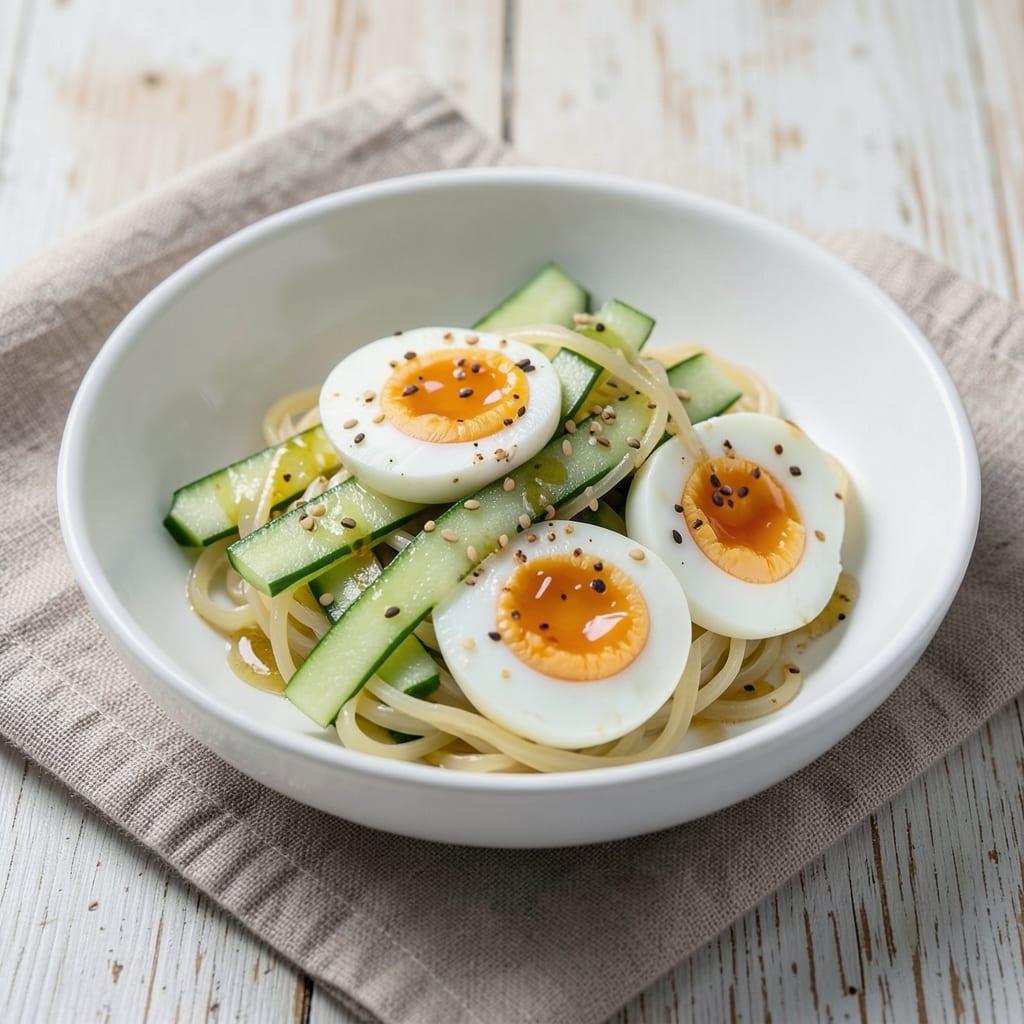
This cucumber egg Chinese recipe delivers the perfect balance of crisp, refreshing cucumbers and silky eggs in a dish that's both light and satisfying. The secret lies in the quick stir-fry technique that preserves the crunch while creating tender, flavorful eggs that melt in your mouth. I first discovered this recipe during a summer visit to a small family restaurant in Shanghai, where the dish was served ice-cold as a refreshing starter—ideal for hot days or as a light lunch.
The beauty of this recipe is its simplicity: just a handful of ingredients come together in minutes to create a dish that feels both rustic and refined. Thinly sliced cucumbers maintain their crisp texture, while the eggs cook just until set, creating that signature silky consistency. The addition of crunchy noodles adds an unexpected but delightful texture contrast that keeps every bite interesting. This dish is equally at home as a standalone meal or as part of a larger Chinese feast.
What makes this recipe truly special is how it transforms ordinary ingredients into something extraordinary. The cucumbers stay crisp, the eggs achieve that perfect silky texture, and the noodles add a satisfying crunch that balances the dish. The result is a harmonious blend of textures and flavors that's both refreshing and deeply satisfying—exactly what you want when you're craving something light yet flavorful. Ready to bring a taste of China to your kitchen?
This dish also works beautifully as a make-ahead meal, as the flavors actually improve when allowed to marinate for a few hours. Perfect for meal prep or serving at gatherings, it's a recipe that proves you don't need complicated techniques to create restaurant-quality results. Let's get started on this refreshing cucumber egg stir-fry!
Ingredients for cucumber egg chinese
Crisp cucumbers, silky eggs, and crunchy noodles transform into a refreshing Chinese masterpiece.
| Ingredient | Amount | Notes |
|---|---|---|
| Persian Cucumbers 🥒 | 2 whole | Thinly sliced lengthwise, seeds removed |
| Large Eggs 🥚 | 4 whole | Fresh, room temperature |
| Linguinine Noodles 🍜 | 4 oz | Dried, cooked al dente |
| Sesame Oil 🫒 | 1 tbsp | Toasted, for aroma |
| Light Soy Sauce 🍶 | 2 tbsp | Low-sodium preferred |
| Rice Vinegar 🍶 | 1 tbsp | Seasoned variety adds depth |
| Sesame Seeds 🌰 | 1 tbsp | Toasted for nutty crunch |
| Fresh Ginger 🧅 | 1 tbsp | Finely grated, aromatic |
| Garlic Cloves 🧄 | 2 cloves | Minced, aromatic |
| Vegetable Oil 🫒 | 2 tbsp | High smoke point |
| Green Onions 🧅 | 2 whole | Thinly sliced, white and green |
| Salt 🧂 | ½ tsp | Kosher or sea salt |
| White Pepper 🌶️ | ¼ tsp | Freshly ground |
The cucumbers are the star—Persian cucumbers stay crispest when sliced lengthwise and seeds removed. Asian markets often carry these, but any seedless cucumber works in a pinch. For the eggs, freshness matters—room temperature eggs stir-fry more evenly. The noodles? Linguinine works perfectly, but any thin noodle (like vermicelli) will do. Toast your sesame seeds in a dry pan for 30 seconds until fragrant—they should smell nutty, not burnt. Fresh ginger and garlic are non-negotiable here; dried just won't cut it for that authentic zing.
No sesame oil? Light olive oil works in a pinch, but add it at the very end to avoid overpowering. Substitute soy sauce with coconut aminos for a gluten-free option. The rice vinegar can be swapped for apple cider vinegar, though the flavor will be slightly different. If you can't find linguinine, rice noodles or angel hair pasta work well. For the eggs, if you prefer them extra-silky, add 1 tsp cornstarch to the beaten eggs before cooking. And if you're feeling adventurous, swap half the cucumber for thinly sliced radish for a peppery kick.
This dish tastes even better the next day—flavors meld beautifully when chilled. Store leftovers in an airtight container for up to 3 days in the fridge, or freeze for 2 months (though texture may change slightly). For meal prep, cook the noodles separately and assemble everything fresh before serving. The noodles can be pre-cooked and stored in the fridge for 2 days—just reheat with a splash of water. Garnish with extra sesame seeds and green onions right before serving to keep everything vibrant.
Why You'll Love This Recipe
- No-Chop Nightmare: I swear, the only knife work here is slicing cucumbers—one cut, done. The noodles just need boiling, eggs get scrambled in seconds, and the sauce? Stir, drizzle, boom. Honestly, this is the kind of dish that lets you scroll through your phone while it cooks.
- Crispy-Creamy Magic: That first bite—cool Persian cucumbers cutting through silky eggs, all wrapped in a whisper of sesame oil? It’s the perfect balance: fresh, rich, and just a little funky from the soy. The noodles soak up the flavor like sponges, so every mouthful is packed.
- Lunchbox Hero: Pack this cold or at room temp—it’s that reliable. My kids grab it for school lunches, and I take it to potlucks because it’s light enough for summer but hearty enough to satisfy. (Yes, even on a Tuesday night.)
- Pantry Staple Power: Sesame oil, soy sauce, eggs—ingredients you already own. No specialty shopping, no wasted leftovers (they vanish fast). Between us, this is my go-to when I’m broke but still want something that tastes like a restaurant.
Step-by-step instructions for silky cucumber egg stir-fry
This dish delivers perfect silky egg curds and crisp-tender cucumbers in under 20 minutes.
Prepare the Cucumber and Aromatics
First, slice the 2 whole Persian cucumbers lengthwise into thin strips, removing any seeds. I like to use a sharp mandoline for even slices about ⅛-inch thick. Transfer the cucumber to a colander and sprinkle with the 0.5 tsp salt. Let it sit for 10 minutes while you prep the rest—this draws out excess moisture for a crisp texture.
While the cucumbers drain, finely grate the 1 tbsp fresh ginger and mince the 2 cloves garlic. Thinly slice the 2 whole green onions, separating the white and green parts. Here's the thing—don't skip the draining step. Wet cucumbers will steam in the pan instead of crisping, and that's a texture disaster we're avoiding.
Cook the Noodles Al Dente
Bring a pot of well-salted water to a rolling boil and add the 4 oz linguinine noodles. Cook for 2 minutes less than package instructions—you want al dente noodles that finish cooking in the hot stir-fry. Drain immediately and rinse briefly under cold water to stop cooking. Toss the noodles with 1 tbsp toasted sesame oil and set aside.
I always cook noodles separately because they absorb flavors better when added fresh to the stir-fry. The sesame oil infusion gives them a nutty aroma that carries through the dish. Keep them covered while you prepare the eggs—this prevents them from drying out.
Scramble the Eggs Silky-Smooth
In a separate bowl, whisk the 4 whole large eggs until frothy. Add the 2 tbsp light soy sauce, 1 tbsp rice vinegar, 0.25 tsp white pepper, and half the sliced green onion whites. Mix well—this seasoning ensures the eggs stay tender and flavorful throughout the cooking process.
Heat 1 tbsp vegetable oil in a wok or large skillet over medium-low heat. Pour in the egg mixture and let it sit undisturbed for 10 seconds before gently stirring with a spatula. The key here is patience—you want soft, silky curds, not scrambled eggs. Cook for 2-3 minutes until just set but still slightly runny in the center. Remove and set aside.
Stir-Fry the Cucumber and Aromatics
In the same pan, add the remaining 1 tbsp vegetable oil over medium-high heat. Add the minced garlic and grated ginger, cooking for 30 seconds until fragrant. Immediately add the drained cucumber and stir-fry for 2-3 minutes until just tender but still crisp. You're aiming for a bright green color with slight softening—overcooking turns cucumbers mushy.
Return the cooked eggs to the pan along with the cooked noodles. Add the remaining green onion whites and toss everything together for 1-2 minutes. The residual heat will finish cooking the noodles while keeping the cucumbers crisp. Taste and adjust seasoning with more soy sauce if needed—this dish should balance sweet, salty, and tangy flavors.
Finish and Garnish
Transfer the stir-fry to serving plates and drizzle with any pan juices. Sprinkle with the 1 tbsp toasted sesame seeds and remaining green onion greens. Here's where it gets good—the sesame seeds add nutty crunch while the green onions provide fresh contrast. Serve immediately while the noodles are hot and the cucumbers retain their crispness.
This dish comes together faster than you can say "wok hei," but every component matters. The silky eggs, crisp cucumbers, and al dente noodles create the perfect balance of textures. Don't skip the draining steps—they're what elevate this from good to exceptional.
Pro Tips For Making Cucumber Egg Chinese
- SLICE CUCUMBERS THIN: Use a sharp knife and cut them into 1/8-inch thick slices—any thicker and they’ll turn to mush when tossed with the eggs. I learned this the hard way after serving a plate where the cucumbers were still crunchy in the middle.
- BOIL EGGS 9 MINUTES: For perfectly set eggs with runny yolks, use large eggs and boil them for exactly 9 minutes in simmering water (not rolling boil). Overcooking by even 30 seconds makes them rubbery—trust the timer, not your guess.
- SALT NOODLES LATER: Toss the cooked linguine with sesame oil first, then add light soy sauce after mixing with the cucumbers and eggs. Salting too early makes the noodles soggy before everything else hits the pan—wait until the last second.
- TOSS HOT NOODLES: Drain the noodles, rinse with cold water to stop cooking, then immediately toss them with a splash of sesame oil while still hot. The residual heat helps the sauce cling better—cold noodles just sit there like sad, limp spaghetti.
Regional styles of these flavors
Shanghai Street Style
This is the version I first tasted in Shanghai, where it's served ice-cold as a refreshing starter. The key difference? Skip the noodles and serve the cucumber-egg mixture over a bed of shredded cabbage or thinly sliced radish for extra crunch. Garnish with crushed peanuts and a drizzle of chili oil for heat. The dish is traditionally eaten with steamed buns or congee for a satisfying meal. 🌶️
For authenticity, use pickled mustard greens (ya cai) as a side—this adds a tangy contrast that balances the dish. The Shanghai version also often includes thinly sliced red chili peppers for a subtle kick. I like to serve mine with a small bowl of black vinegar on the side for dipping.
Sichuan Spicy Twist
In Sichuan province, they take this dish up a notch with fiery chili bean paste and Sichuan peppercorns. Start by stir-frying 1 tbsp chili bean paste in the wok until fragrant, then add the cucumbers and eggs. Finish with 1 tsp Sichuan peppercorns (toasted) for that signature numbing-spicy sensation. The noodles here are often replaced with wide rice noodles for heartier texture. 🔥
For extra depth, add 1 tbsp fermented black beans to the stir-fry—they add a funky umami that pairs perfectly with the spice. Garnish with chopped cilantro and serve with a side of pickled vegetables to cut through the heat. This version is perfect for those who love bold, complex flavors.
Cantonese Cold Salad
The Cantonese approach transforms this into a refreshing cold salad rather than a hot stir-fry. Whisk together 2 tbsp light soy sauce, 1 tbsp rice vinegar, 1 tsp sesame oil, and ½ tsp sugar for the dressing. Toss with the cucumbers and sliced eggs (cooked just until set), then chill for at least 1 hour before serving. The noodles are omitted entirely in this version. 🥒
For extra texture, add crispy fried shallots and toasted sesame seeds on top. This dish is often served at dim sum or as part of a multi-course lunch. The cold preparation makes it ideal for summer—just like the Shanghai version, but with a different flavor profile. Garnish with thinly sliced green onions for freshness.
Hong Kong Fusion
In Hong Kong, they've modernized this dish by adding crispy wonton strips and a sweet chili sauce drizzle. Start with the basic stir-fry, then toss in 2 cups crispy wonton strips (store-bought or homemade) just before serving. Drizzle with 2 tbsp sweet chili sauce and top with chopped cilantro and crushed peanuts. This version is popular in food courts and street markets. 🍜
For a vegetarian twist, replace the wonton strips with crispy tofu skins or tempura-flavored rice crackers. The sweet chili sauce adds a bright, tangy contrast that balances the dish beautifully. Serve with a side of sweet and sour sauce for dipping—it's a crowd-pleaser at any gathering.
Nutrition facts
Frequently asked questions
Can I make this recipe without noodles?
The Shanghai-style version skips noodles entirely and serves the cucumber-egg mix over shredded cabbage or thinly sliced radish for crunch. You can also serve it as a cold salad with a light dressing of soy sauce, rice vinegar, and sesame oil. The Cantonese cold salad version also omits noodles completely.
How do I keep the cucumbers extra crisp?
Salting the cucumbers for 10 minutes before cooking draws out excess moisture, which is key for crispness. After draining, pat them dry with a paper towel. Also, cook them over medium-high heat for only 2-3 minutes—any longer and they'll turn mushy. For extra crunch, add 1 tsp cornstarch to the cucumbers before stir-frying.
Can I use regular eggs instead of fresh ones?
Fresh, room-temperature eggs are ideal for that silky texture, but store-bought eggs work fine if they're not older than 2 weeks. For best results, whisk them thoroughly and cook them over medium-low heat to prevent overcooking. If your eggs are cold, let them sit at room temperature for 30 minutes before cooking for even results.
What's the best way to store leftovers?
Store leftovers in an airtight container in the fridge for up to 3 days. The flavors actually improve when chilled! For freezing, package the components separately (eggs, cucumbers, noodles) and freeze for up to 2 months. When reheating, add a splash of water to the noodles to prevent drying out. The cucumbers may soften slightly after freezing, so it's best to cook them fresh if possible.
Can I make this dish spicy?
The Sichuan-style version adds chili bean paste and Sichuan peppercorns for heat. For a milder spicy kick, stir in ½ tsp chili flakes or 1 tsp sriracha with the soy sauce. Garnish with thinly sliced red chili peppers or drizzle with chili oil. Just