
Breakfast & Brunch
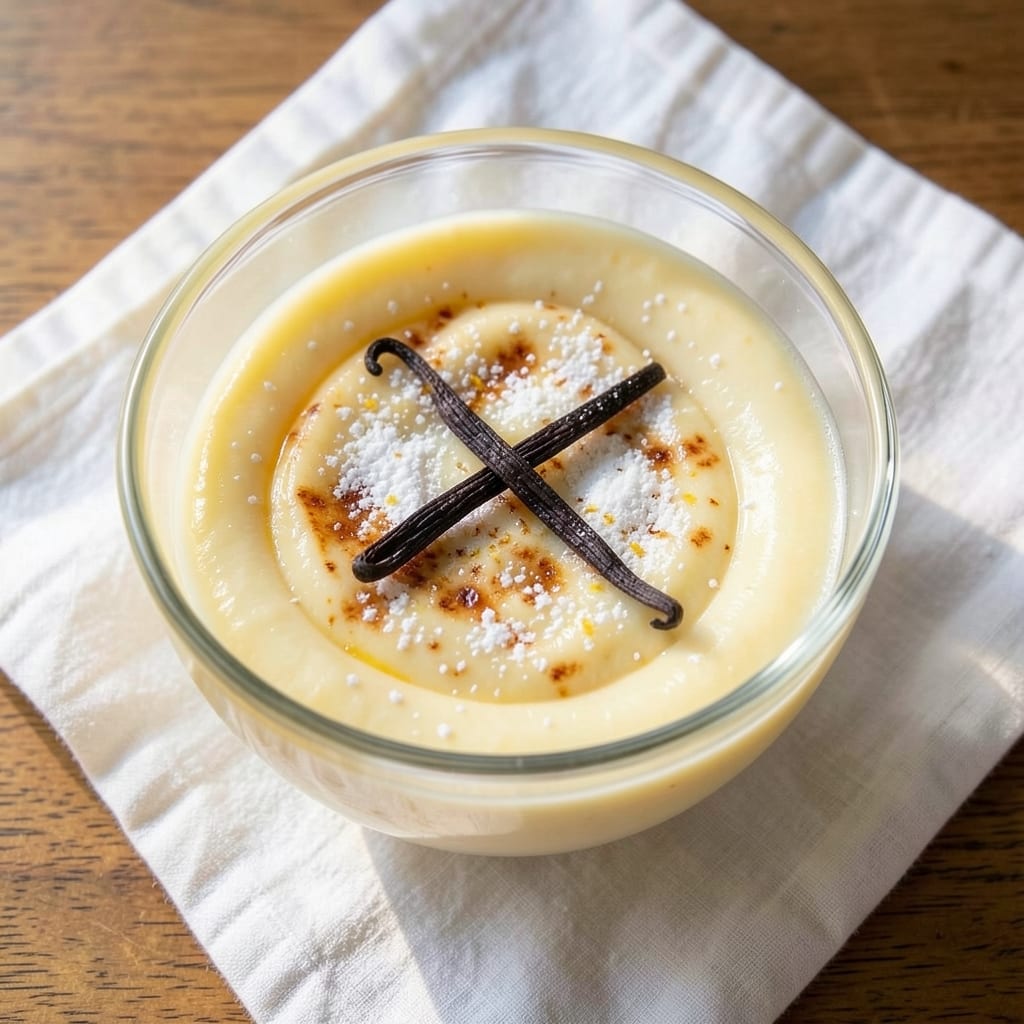
Delia Smith's egg custard recipe delivers that perfect silky-smooth texture we all crave—creamy yet firm, with just the right jiggle when sliced. The secret lies in tempering the eggs properly and baking them gently in a water bath, a technique that transforms simple ingredients into something truly luxurious. This isn't your basic custard; it's a dessert that feels like a hug in every bite, with vanilla depth that elevates it from ordinary to extraordinary.
The foundation of this recipe is precision—measuring ingredients carefully and whisking until the mixture is completely smooth. A 325°F oven ensures gentle cooking, while the water bath prevents cracking and guarantees that creamy, velvety texture we associate with classic custards. The result is a dessert that's elegant enough for special occasions but simple enough for weeknight treats.
What you'll end up with is a custard so perfectly set that it slices cleanly, revealing that signature golden top and silky interior. The vanilla infuses throughout, adding warmth and depth without overpowering the delicate egg flavor. This is the kind of custard that makes you want to pause and savor each spoonful, knowing you've achieved something truly special.
Serve it warm with a dusting of powdered sugar, a drizzle of caramel, or fresh berries for a dessert that feels both comforting and refined. The technique is straightforward, but the results are anything but ordinary—this is how custard should taste. Let's get started on creating your own masterpiece.
Ingredients for delia smith egg custard
Simple ingredients elevated by technique—this custard delivers restaurant-quality texture at home.
| Ingredient | Amount | Notes |
|---|---|---|
| Large Egg Yolks 🥚 | 6 whole | Room temperature for best results |
| Whole Milk 🥛 | 2 cups | Whole milk for creaminess |
| Granulated Sugar 🍚 | ¾ cup | White sugar preferred |
| Vanilla Extract 🌿 | 1 tbsp | Pure vanilla extract |
| Large Egg Whites 🥚 | 3 whole | Separated from yolks |
| Salt 🧂 | ¼ tsp | Fine sea salt preferred |
| Unsalted Butter 🧈 | 2 tbsp | For greasing ramekins |
| Powdered Sugar 🍚 | 2 tbsp | For dusting finished custard |
| Vanilla Bean Seeds 🌿 | 1 tsp | Scraped from 1 vanilla bean |
| Water 💧 | 2 cups | For water bath |
The eggs are the heart of this custard, so use the freshest you can find. Room temperature eggs blend more smoothly, so take them out of the fridge 30 minutes before starting. Whole milk is non-negotiable here—it gives that signature richness. For the vanilla, Madagascar bourbon vanilla from specialty stores adds depth, but pure extract works perfectly fine. The sugar should be white granulated, not brown—it dissolves more evenly. If you're feeling fancy, split a vanilla bean and scrape the seeds for extra aroma. Trader Joe's often has affordable vanilla beans if you want to splurge.
No vanilla extract? Vanilla sugar works at double the amount, though it's not quite the same. Running short on egg whites? Aquafaba (chickpea brine) can replace them at a 1:1 ratio, though texture will differ slightly. For the sugar, turbinado sugar adds subtle crunch if you prefer texture contrast. The butter for greasing ramekins should be unsalted and cold—it prevents sticking without adding saltiness. If you don't have ramekins, small oven-safe bowls or ceramic cups work just as well, as long as they're heatproof.
This custard is best made a day ahead—flavor develops beautifully during overnight chilling. Store finished custards in airtight containers in the fridge for up to 5 days. For serving, dust with powdered sugar right before eating to prevent moisture loss. If you're making multiple custards, prep all ramekins with butter and sugar mixture the night before to save time. The water bath can be prepped while you're whisking the custard mixture—just make sure the water level reaches halfway up the ramekins during baking.
Why You'll Love This Recipe
- No Fuss, No Stress: I swear by this recipe when I need dessert now—just whisk yolks, milk, and sugar until smooth, then fold in stiff whites. No fancy equipment, no waiting for hours. Honestly, my blender gets more use for this than my stand mixer.
- Silky Vanilla Magic: That balance of warm sugar and vanilla? It’s like a hug in custard form. The egg whites give it a lightness that makes it feel special, not heavy—perfect for when you want something rich but still airy.
- Breakfast or Dessert: Between us, I’ve served this chilled with berries for brunch and warm with caramel for dinner. The same simple base works for both—just adjust the sugar or add a pinch of cinnamon. My kids ask for it more than ice cream.
- Leftovers? More Like Lifesavers: This custard thickens beautifully when refrigerated, so I make a big batch and portion it into jars. No waste, no last-minute scrambling. (Yes, even on a Tuesday night.) Plus, it’s cheaper than buying store-bought pudding—by a lot.
Step-by-step instructions for Delia Smith's egg custard
Here's the method that delivers Delia Smith's signature silky texture and rich vanilla flavor.
Prepare the Custard Base
In a medium heatproof bowl, whisk together the 6 whole large egg yolks, 0.75 cup granulated sugar, and 0.25 teaspoon salt until completely dissolved and smooth. This mixture should be pale yellow with no visible sugar grains. I like to use a whisk for this step—it incorporates air more gently than an electric mixer.
Next, add the 2 cups whole milk and 1 tablespoon vanilla extract to the yolk mixture. Whisk vigorously for 2-3 minutes until the mixture thickens noticeably and coats the back of the spoon. This step ensures proper emulsification, which prevents curdling later. The custard should now have a velvety consistency, similar to heavy cream.
Incorporate the Egg Whites
In a separate clean bowl, beat the 3 whole large egg whites until soft peaks form. This means the whites hold their shape when the whisk is lifted, but they still have some give. I find it's best to use a whisk for this—it creates more air incorporation than a mixer.
Gently fold one-third of the beaten egg whites into the yolk mixture to lighten it. Then carefully fold in the remaining egg whites until fully combined. The goal is to maintain as much air as possible while ensuring even distribution. The final mixture should be smooth and glossy, with no visible streaks of white.
Strain and Divide the Custard
Strain the custard mixture through a fine-mesh sieve into a large measuring cup or pitcher. This removes any potential lumps and ensures a perfectly smooth texture. Divide the strained custard evenly among 6 individual ramekins (about ½ cup each).
Place the ramekins in a deep baking dish and pour the 2 cups water into the dish until it comes about halfway up the sides of the ramekins. This creates a water bath that ensures gentle, even heating. The water should be hot but not boiling when you add the ramekins—just off the heat from a recent boil.
Bake to Perfection
Preheat your oven to 325°F (this lower temperature prevents curdling). Place the baking dish with the ramekins in the oven and bake for 35-40 minutes. The custards are done when they've just set but still have a slight wobble in the center—like gelatin that's almost but not quite firm.
To test doneness, gently jiggle the ramekins. The custard should move slightly but not be completely liquid. If it's still very wobbly, return it to the oven for 2-3 minutes at a time until set. Remove from the water bath and let cool to room temperature before refrigerating for at least 2 hours (or overnight) for best texture.
Finish and Serve
Once chilled, run a small knife around the edges of each custard to loosen them from the ramekins. Dust the tops generously with 2 tablespoons powdered sugar and sprinkle with 1 teaspoon vanilla bean seeds for that signature Delia Smith touch. Serve immediately or store covered in the refrigerator for up to 3 days.
The finished custard should have a glossy surface, silky texture, and that perfect balance of sweetness and vanilla depth. Each bite should be rich and velvety, with no graininess or curdling. The powdered sugar adds a delicate finish that complements the custard's natural sweetness.
Pro Tips For Making Delia Smith Egg Custard
- Whisk yolks hot: Heat the milk until it’s steaming (not boiling) before whisking it into the yolks—this prevents scrambling. I learned this the hard way when my custard turned into a sad, lumpy mess because I rushed and poured cold milk straight in.
- Strain the whites: Separate the egg whites early and strain them through a fine-mesh sieve into a clean bowl. This removes any stray yolks that’ll turn your meringue rubbery later. (Yes, even if you’re impatient like me.)
- Don’t overmix the whites: Once the whites hit stiff peaks, fold them in gently—just until combined. Overworking them makes them dense, and your custard’s light, cloud-like texture will suffer. Think "marry, don’t murder."
- Chill the custard slow: After baking, let it cool in the oven with the door ajar for 10 minutes before transferring to the fridge. This gradual cool-down keeps the texture silky instead of weepy. (Your future self will thank you.)
Storing and reheating your leftovers
Refrigerator Storage
Your freshly baked custards will keep beautifully in the fridge for up to 5 days when stored properly. Let them cool completely before transferring to airtight containers—I use glass containers with snap-on lids to prevent moisture loss. The custard actually improves in flavor overnight as the vanilla and milk meld together. 💫
For individual servings, I recommend storing each custard in its original ramekin covered with plastic wrap pressed directly onto the surface. This prevents a skin from forming on top while keeping the texture intact. Label containers with the date to track freshness.
Freezing for Later
While custards aren't ideal for long-term freezing, you can extend their life for up to 1 month with proper technique. First, wrap each chilled custard tightly in plastic wrap, then place in a freezer bag with all air removed. I use the water displacement method for maximum protection against freezer burn.
When ready to serve, thaw overnight in the refrigerator. To refresh the texture, gently reheat in a double boiler over low heat for 5-7 minutes, stirring occasionally. Avoid microwaving as it can make the custard grainy. The texture will be slightly softer after freezing but still delicious.
Reheating Methods
For the best texture, I recommend reheating custards in a bain-marie (double boiler). Place the ramekin in a heatproof bowl set over simmering water, covering with a lid to trap moisture. Heat gently for 8-10 minutes until warmed through but not hot. This method preserves that silky texture we worked so hard to achieve. 🔥
If you're short on time, the microwave works in a pinch. Place the custard in a microwave-safe dish, cover loosely with a damp paper towel, and heat on 50% power for 30-45 seconds. The damp towel prevents drying while allowing gentle warming. Stir before serving to redistribute any separated liquid.
Serving After Storage
Always dust with powdered sugar right before serving to maintain that fresh-from-the-oven appearance. For extra flair, add a few drops of vanilla syrup or a sprinkle of toasted coconut flakes on top. The contrast of warm custard with cold toppings creates an interesting temperature play that enhances the experience.
If your custard has developed a skin during storage, simply scrape it off before serving or gently reheat to melt it away. The texture underneath will still be creamy and delicious—just give it a quick stir to restore that velvety consistency. 💛
Nutrition facts
Frequently asked questions
Why does Delia Smith's custard have egg whites?
The egg whites add lightness and structure to the custard, creating that signature jiggly texture while preventing cracking during baking. They also help create a smoother, silkier finish when folded in properly. Without them, the custard would be denser and less elegant.
Can I make this custard without a water bath?
Technically yes, but the water bath is crucial for preventing curdling and ensuring even cooking. Without it, the custard may overcook on the edges while staying undercooked in the center. For best results, use the water bath method—it's what gives this recipe its professional-quality texture.
What's the secret to a perfectly smooth custard?
Straining the mixture through a fine-mesh sieve removes any potential lumps, while tempering the eggs (adding milk gradually) prevents curdling. Whisking vigorously until the mixture thickens also helps create that velvety consistency. The key is patience—don't rush the whisking or baking steps!
Can I substitute vanilla extract with something else?
Yes! For a more intense vanilla flavor, use 1 teaspoon vanilla bean seeds scraped from a pod. You can also make vanilla sugar by mixing 1 tablespoon sugar with 1 vanilla bean pod, then using 2 tablespoons vanilla sugar instead of the extract. The flavor will be slightly different but equally delicious.
Why did my custard crack on top?
Cracking usually happens from sudden temperature changes or overbaking. Make sure your oven is fully preheated to 325°F and that the water bath reaches halfway up the ramekins. Also, remove the custards from the oven while they still have a slight wobble—they'll firm up as they cool. A thin layer of powdered sugar on top before baking can also help prevent cracking.