
Breakfast & Brunch
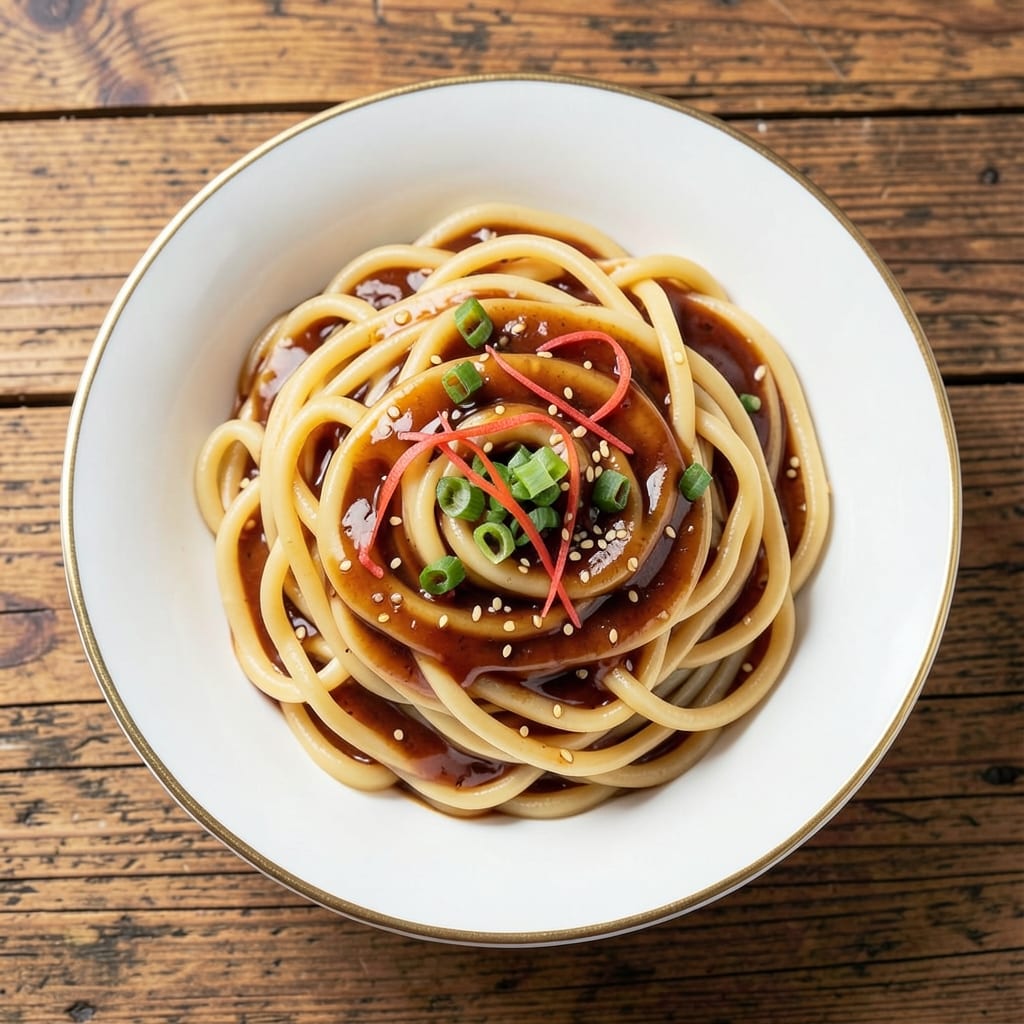
A duck egg noodles recipe transforms breakfast into a luxurious experience with their silky texture and rich, golden yolk-infused flavor—perfect for weekend brunch or a special morning treat. The secret lies in using duck eggs, which yield thicker yolks and a deeper umami taste compared to chicken eggs, elevating even the simplest noodle dish. This recipe balances traditional techniques with modern convenience, ensuring you achieve restaurant-quality results at home.
Hand-pulled noodles form the heart of this dish, their delicate strands clinging to the sauce while maintaining a satisfying bite. The sauce, infused with duck egg yolks and aromatics, creates a velvety coating that enhances every strand of noodle. Whether you prefer a lighter soy-based sauce or a richer sesame-ginger version, the duck egg adds a luxurious depth that makes this dish unforgettable.
What sets these duck egg noodles apart is the harmony of textures and flavors—tender noodles, silky sauce, and the subtle richness of duck egg yolks. The dish is elegant enough for a brunch gathering but simple enough for a weeknight dinner. Garnished with fresh herbs and crispy fried shallots, it becomes a visually stunning and deeply satisfying meal.
Pair these noodles with a side of steamed greens or a crisp salad to balance the richness, and serve with a pot of hot tea for the full experience. This recipe delivers a dish that feels both comforting and refined, proving that breakfast can be an occasion worth celebrating.
Ingredients for duck egg noodles
Four duck eggs, fresh flour, and aromatic oils create restaurant-quality noodles at home.
| Ingredient | Amount | Notes |
|---|---|---|
| Duck Eggs 🥚 | 4 whole | Fresh, room temperature preferred |
| All-Purpose Flour 🌾 | 2 cups | High protein for chewy texture |
| Unsalted Butter 🧈 | ½ cup | Cold, cubed for noodle rolling |
| Soy Sauce 🥢 | ½ cup | Light or dark, to taste |
| Sesame Oil 🫒 | 1 tbsp | Toasted, for aroma |
| Fresh Ginger 🧄 | 1 tbsp | Grated, finely minced |
| Garlic Cloves 🧄 | 4 cloves | Minced, for aromatic base |
| Green Onions 🧅 | 4 whole | Thinly sliced, for garnish |
| Sesame Seeds 🌾 | 1 tbsp | Toasted, for crunch |
| Vegetable Oil 🫒 | 2 tbsp | For frying shallots |
| Shallots 🧅 | 3 whole | Thinly sliced, for frying |
| Salt 🧂 | 1 ½ tsp | Kosher or sea salt |
| White Pepper 🌶️ | ¼ tsp | Freshly ground preferred |
Duck eggs are the star here—look for them at specialty markets or Asian grocery stores like H Mart or 99 Ranch. They should feel heavy for their size, with thick, vibrant yolks. If you can't find duck eggs, goose eggs work too, but chicken eggs won't deliver the same richness. The flour matters too: King Arthur or Caputo brands yield the best texture. For the sesame oil, Kadoya or La Choy are reliable brands that won't overpower the dish with bitterness.
No duck eggs? Use 3 duck eggs plus 1 chicken egg for a lighter version, but expect less depth. Fresh ginger and garlic can be swapped for 1 tbsp ginger paste and 2 tbsp minced garlic if you're short on time. For the shallots, red onion works in a pinch, though it won't have the same delicate sweetness. The sesame seeds can be omitted if you're avoiding nuts, but the toasted aroma is worth the effort—toast them in a dry pan for 30 seconds until fragrant.
Duck eggs keep best in the fridge for 3 weeks—use them within a week for peak freshness. The flour mixture can be made a day ahead and rested at room temperature, covered. For the fried shallots, make extra and store in an airtight container for up to 2 weeks—they're perfect for garnishing other dishes. The sauce components (soy, sesame oil, ginger) stay fresh for 2 months in the pantry, so gather them all at once for efficiency.
Why You'll Love This Recipe
- No-Yolk Mistakes: I’ve cracked duck eggs into flour mixtures before—messy, yes—but the rich, golden yolks always make it worth the splatter. That deep umami flavor? It turns even the simplest noodle into something special without extra effort.
- Butter-Soy Magic: Honestly, the combo of melted butter and soy sauce in the pan is my shortcut to restaurant-quality sauce. Just a splash of sesame oil at the end ties it all together—no fancy reductions, no stress. Taste? Dangerously addictive.
- Lunchbox Hero: Between us, these noodles reheat like a dream. Pack them cold for work or school, and the butter stays creamy, the soy keeps it savory—no sad, rubbery leftovers here. My kid’s favorite "I don’t want to eat school lunch" backup.
- Pantry Staple Power: Duck eggs might sound fancy, but they’re cheaper than you think, and the rest? Flour, butter, soy—stuff you already have. I made a whole batch for $8 and fed my family for three days. Zero guilt, all flavor.
Step-by-step instructions for duck egg noodles
Master the technique for silky, golden noodles infused with rich duck egg flavor.
Prepare the Duck Egg Dough
In a large mixing bowl, combine the 4 whole duck eggs and the 0.5 cup unsalted butter, breaking the eggs gently to avoid excess air. Add the 2 cups all-purpose flour, 1.5 tsp salt, and 0.25 tsp white pepper. Using a fork or dough whisk, mix until the ingredients form a shaggy dough that comes together when pressed.
Transfer the dough to a clean, lightly floured surface and knead gently for 3-5 minutes until smooth and elastic. The dough should be soft but not sticky—if it feels too dry, add 1 tsp water at a time. Wrap tightly in plastic wrap and let rest at room temperature for 30 minutes. This resting period relaxes the gluten, ensuring tender noodles.
Roll and Cut the Noodles
Divide the rested dough into 4 equal portions. Working with one piece at a time, roll it into a thin sheet using a rolling pin or pasta machine set to the widest setting. Gradually adjust the machine to the thinnest setting, rolling the dough 2-3 times at each thickness level. The final sheet should be very thin, almost translucent, but not so delicate it tears.
Lay the rolled dough on a floured surface and cut it into ¼-inch wide ribbons using a sharp knife or pasta cutter. Sprinkle the cut noodles lightly with flour to prevent sticking. Repeat with the remaining dough portions, keeping the unused pieces covered with a damp towel to prevent drying.
Cook the Noodles Al Dente
Bring a large pot of water to a rolling boil and add 1 tbsp salt. Once boiling, add the noodles in batches to avoid overcrowding. Stir gently to prevent sticking and cook for 1-2 minutes until they float to the surface. They should be al dente—tender but still slightly firm to the bite. Drain immediately and rinse briefly with cold water to stop cooking.
For the sauce, heat 2 tbsp vegetable oil in a wok or skillet over medium-high heat. Add the 3 whole shallots, sliced thinly, and fry until golden brown and crispy, about 3-4 minutes. Remove with a slotted spoon and set aside. In the same pan, add 1 tbsp minced fresh ginger and 4 cloves minced garlic, cooking for 30 seconds until fragrant.
Assemble and Finish the Noodles
Return the crispy shallots to the pan and pour in the 0.5 cup soy sauce and 1 tbsp sesame oil. Simmer for 1 minute until the sauce thickens slightly. Toss the drained noodles into the pan, coating them evenly with the sauce. Stir in 1 tbsp toasted sesame seeds and 4 whole green onions, sliced thinly, for garnish.
Serve immediately, garnished with additional green onions and sesame seeds. The noodles should be silky yet firm, with a rich, savory sauce that clings to each ribbon. For extra richness, drizzle with a little more sesame oil before serving.
Pro Tips For Making Duck Egg Noodles
- Chill the Dough: After mixing duck eggs and flour, let the dough rest in the fridge for at least 30 minutes—this prevents gluten from overworking and makes rolling it out a breeze. I used to skip this, and the noodles always turned out tough and chewy.
- Use Cold Butter: Cut unsalted butter into small cubes and keep it cold when folding into the dough—this ensures it stays in chunks for flavor, not melty messes. My grandmother swore by this, and she was right: warm butter makes noodles greasy, not rich.
- Don’t Overcook the Noodles: Duck egg noodles cook fast—test them at 2 minutes, then add 10-second increments. Overcooking turns them mushy, and no one wants that. (Yes, even if you're impatient like me.)
- Toast Sesame Oil Last: Add sesame oil to the pan after the noodles are cooked—heat destroys its delicate aroma. A few drops at the end make a real difference, giving that nutty, fragrant finish without bitterness.
Flavor customization for duck egg noodles
Spicy Sesame Kick
Transform your duck egg noodles into a fiery sensation by adding 1 tsp chili crisp or ½ tsp gochujang to the sauce. For heat lovers, blend 1 tbsp sriracha with the soy sauce before tossing with noodles. Top with crushed red pepper flakes and extra sesame seeds for a spicy-sesame crunch that cuts through the richness. 🌶️
Creamy Miso Twist
Swap the soy sauce for 3 tbsp white miso paste mixed with 2 tbsp water to create a velvety, umami-rich sauce. Stir in 1 tbsp mirin for sweetness and toss with noodles. Garnish with thinly sliced scallions and toasted nori flakes for a Japanese-inspired ramen vibe. The miso adds depth without overpowering the duck egg’s natural richness.
Herb-Infused Freshness
Brighten the dish with 1 tbsp chopped cilantro and 1 tbsp Thai basil mixed into the sauce. Add ½ lime’s worth of juice and a pinch of sugar to balance flavors. For extra freshness, top with quick-pickled cucumbers (thinly sliced cucumber + 1 tbsp rice vinegar + ½ tsp sugar). This version feels light yet luxurious, perfect for warmer weather. 🌿
Smoky Maple Glaze
Create a sweet-savory contrast by simmering 2 tbsp pure maple syrup with 1 tbsp soy sauce and ½ tsp smoked paprika in the pan. Drizzle this glaze over the noodles after tossing with the base sauce. Finish with crumbled bacon bits or crispy fried shallots for a smoky-sweet crunch that pairs beautifully with the duck egg’s richness.
Umami Bomb Sauce
Elevate the sauce with 1 tbsp fish sauce and 1 tsp oyster sauce for an extra umami punch. Add ½ tsp white miso for depth and a splash of rice vinegar to brighten. Stir in 1 tbsp chopped fermented black beans (available at Asian markets) for texture and complexity. This version is bold and savory, ideal for those craving deeper flavors. 💪
Nutrition facts
Frequently asked questions
Can I make duck egg noodles with regular chicken eggs?
While you can use chicken eggs, the dish won't have the same luxurious richness. Duck eggs provide thicker yolks and a deeper umami flavor that elevates the noodles. For a compromise, try 3 duck eggs plus 1 chicken egg—this keeps some of the richness while making the recipe more accessible.
How do I know when the noodles are cooked perfectly?
Your noodles are done when they float to the surface of the boiling water after 1-2 minutes of cooking. They should be al dente—soft but still slightly firm to the bite. Overcooking makes them mushy, while undercooking leaves them chewy. Taste-test a small piece to check!
Can I make the noodle dough ahead of time?
Yes! The dough can be wrapped tightly and refrigerated for up to 24 hours or frozen for 1 month. Let it sit at room temperature for 30 minutes before rolling to relax the gluten. For best texture, don't freeze the rolled or cut noodles—they'll lose their delicate structure.
What’s the best way to store leftover duck egg noodles?
Cool the noodles quickly under cold water, then store them in an airtight container with a damp paper towel to prevent drying. They’ll keep in the fridge for 2-3 days. Reheat gently in a pan with a splash of water or broth—never microwave, as it makes them rubbery. For longer storage, freeze the cooked noodles for up to 1 month.
Why did my noodles turn out too thick?
Thick noodles usually happen if the dough rested too long or wasn’t rolled thin enough. For silky results, roll the dough very thin (almost translucent) and cut into ¼-inch ribbons. Also, ensure your flour isn’t too dry—add 1 tsp water if needed during kneading. Practice makes perfect!