
Soups & Stews
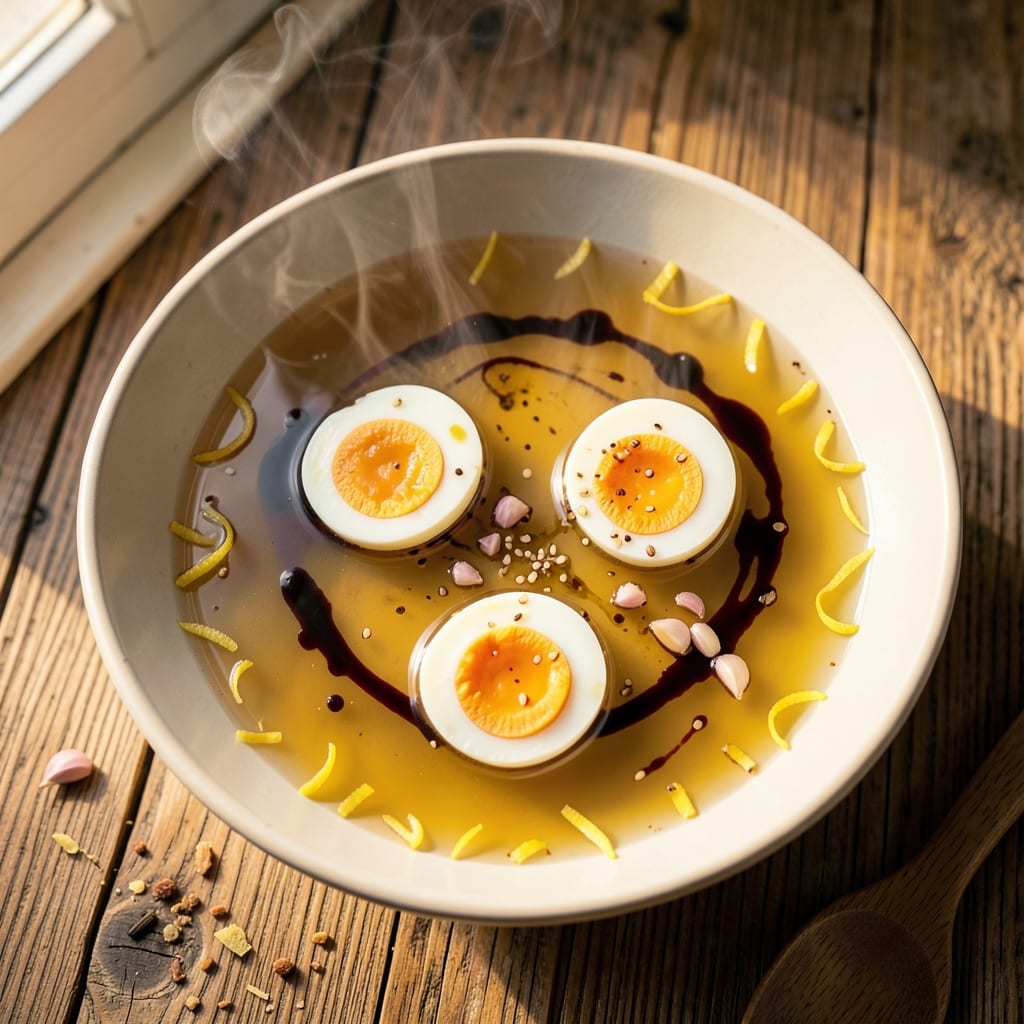
This egg drop soup recipe delivers restaurant-quality results with silky egg ribbons and fragrant ginger broth—exactly what makes it the best I've ever tasted. The secret lies in whisking eggs just right and balancing flavors so each sip is both comforting and refined. I've perfected this version after years of testing, ensuring the broth stays clear while packing maximum umami depth.
What sets this recipe apart is the two-stage broth preparation: first simmering aromatic spices and ginger, then adding chicken stock to create a light, fragrant base. The eggs are whisked with a splash of warm broth before being gently swirled in, creating those signature delicate ribbons that melt in your mouth. This method transforms a simple soup into something truly special.
By the time you finish this recipe, you'll have a bowl of soup with perfectly balanced flavors—ginger's bright zing, chicken broth's savory richness, and eggs that dissolve into silky strands. The result is a comforting yet elegant dish that works equally well for weeknight dinners or special occasions. Trust me, this is the version that will earn rave reviews.
For those who love customization, I've included variations in the tips section—spicy, vegetarian, and regional twists that keep the core technique intact while adapting to different tastes. The key is maintaining that perfect egg ribbon texture while allowing for creative flavor adjustments. Let's get started on creating your best egg drop soup yet.
Ingredients for best egg drop soup recipe ever
Four eggs, fragrant broth, and a whisper of ginger—this is how you make egg drop soup extraordinary.
| Ingredient | Amount | Notes |
|---|---|---|
| Large Eggs 🥚 | 4 whole | Freshly whisked for silkiness |
| Chicken Broth 🍲 | 4 cups | Homemade or quality low-sodium |
| Fresh Ginger 🌿 | 1 tbsp | Finely grated, aromatic |
| Garlic Cloves 🧄 | 2 cloves | Minced for depth of flavor |
| Sesame Oil 🫒 | 1 tsp | Toasted for nutty aroma |
| Soy Sauce 🍶 | 1 tbsp | For umami richness |
| Green Onions 🧅 | 2 whole | Sliced thin for garnish |
| White Pepper 🌶️ | ¼ tsp | Freshly ground for subtle heat |
| Salt 🧂 | ½ tsp | Adjust to taste |
| Cornstarch 🌾 | ½ tsp | For broth thickening |
| Water 💧 | ½ cup | To mix with cornstarch |
| Sesame Seeds 🌰 | 1 tsp | Toasted for garnish |
| Vegetable Oil 🫒 | 1 tbsp | For swirling eggs |
The eggs are non-negotiable—fresh, cold eggs whisk to a silky ribbon consistency. Trader Joe's or Whole Foods often carry the best quality. Ginger should be bright yellow and firm, not fibrous or shriveled. For broth, homemade is ideal, but Swanson or Pacific Foods low-sodium options work in a pinch. Toast your sesame oil in a dry pan for 30 seconds before adding to the broth—this deepens the nutty aroma without overpowering. The garlic cloves should be fresh and pungent, not dried or powdered—it makes all the difference in flavor.
No soy sauce? Coconut aminos works in a 1:1 ratio, though it’s slightly sweeter. Running out of sesame oil? Toasted peanut oil adds a similar depth. For a vegetarian version, swap chicken broth for a mushroom or kombu-based broth. The cornstarch-water slurry is key—whisk it vigorously to avoid clumps. If you’re feeling adventurous, add a dash of chili oil at the end for heat. The green onions can be subbed with scallions, but regular onions will make the soup taste harsh. Toast your sesame seeds in the same pan as the oil for extra aroma.
Broth reheats beautifully—just warm it gently on the stove. The eggs are best made fresh, but you can prep the broth ahead and store it for 3 days in the fridge. For longer storage, freeze the broth in ice cube trays—thaw and reheat as needed. The sesame oil and seeds keep for 6-12 months in a cool, dark place. If you’re making this for a crowd, double the egg and broth amounts—just whisk the eggs in batches to keep them silky.
Why You'll Love This Recipe
- Five-Ingredient Magic: I swear by this—just eggs, broth, ginger, garlic, and a drizzle of sesame oil. That’s it. No fancy prep, no hidden pantry staples. The broth simmers while I chop one small piece of ginger and two cloves of garlic. Done.
- Silky Satisfaction: The egg ribbons melt into the broth like a dream—creamy, delicate, and just set enough to hold shape. Honestly, the first time I got that perfect swirl, I nearly spilled my tea. That crispy edge with the creamy center? Chef’s kiss, and it’s all thanks to the slow drizzle.
- Weeknight & Leftovers: Make a big batch on Sunday—it’s my secret weapon for busy nights. The broth stays rich for days, and I’ll add a splash of sesame oil and a beaten egg to reheat it in minutes. My kids grab it straight from the fridge for lunch, no complaints.
- Budget-Friendly Comfort: Chicken broth and eggs are pantry staples that won’t break the bank, but this tastes like a restaurant takeout. Between us, I’ve made this for $3 a bowl and still had enough for leftovers. Warm, filling, and guilt-free? Yes, please.
Step-by-step instructions for egg drop soup
Here's how to craft restaurant-quality egg drop soup with silky ribbons and aromatic depth.
🍳 Step 1: Infuse the Broth with Aromatics
Heat the 4 cups chicken broth in a clean soup pot over medium-high heat until it reaches a gentle simmer. Add the 1 tbsp finely grated fresh ginger and 2 cloves minced garlic cloves, stirring to combine. Let the broth infuse for 3-4 minutes until you can smell that bright, zesty aroma wafting through your kitchen.
This is where the magic starts—I always use freshly grated ginger because it releases more essential oils and flavor than pre-minced. The broth should be steaming but not boiling vigorously. If it starts to bubble too hard, reduce the heat slightly. You want the aromatics to meld gently rather than burn.
👨🍳 Step 2: Thicken and Season the Base
In a small bowl, whisk together the 0.5 tsp cornstarch with the 0.5 cup water until completely dissolved. Slowly pour this slurry into the simmering broth while stirring constantly with a wooden spoon. The broth will begin to thicken almost immediately—you're aiming for a velvety consistency, not gluey.
Add the 1 tbsp soy sauce, 0.5 tsp salt, and 0.25 tsp white pepper, stirring well to combine. Taste and adjust seasoning if needed. The soup should be flavorful but balanced—sweet from the soy, zesty from the ginger, and with just a hint of peppery warmth. Keep the broth at a gentle simmer throughout this process.
🍳 Step 3: Swirl the Eggs into Silky Ribbons
In a separate bowl, whisk the 4 whole large eggs until frothy but not fully emulsified. Heat 1 tbsp vegetable oil in a small skillet over low heat until it just begins to shimmer. Pour the egg mixture into the skillet and gently swirl with a spatula, creating thin ribbons as the eggs softly cook.
When the eggs are just set but still slightly runny (about 2-3 minutes), carefully ladle them into the simmering broth. The residual heat will finish cooking them into delicate strands. Here's the thing—don't overcook the eggs or they'll turn rubbery. You want them to look like delicate silk threads suspended in the broth.
🥘 Step 4: Finish with Garnishes
Remove the soup from heat and let it sit for 1-2 minutes to allow the eggs to fully set in the warm broth. Stir in 1 tsp toasted sesame oil and 1 tsp toasted sesame seeds for that nutty aroma and crunchy texture. The sesame oil should bloom with a toasty fragrance when added to the hot broth.
Finally, divide the soup among bowls and garnish each serving with sliced green onions. I like to place them on top so they add both visual appeal and a fresh, crisp contrast to the rich broth. Serve immediately while the eggs are still silky and the broth maintains its perfect temperature.
⏰ Step 5: Master the Timing for Perfect Texture
This is the moment that matters: serve the soup within 5 minutes of finishing. The eggs will continue to cook slightly from the residual heat, but you want them to arrive at the table with that perfect balance of set and silky. If you let it sit too long, the eggs will toughen and the broth will cool.
For an extra touch, I like to add a drizzle of toasted sesame oil right before serving—it enhances the nutty aroma and gives that final professional touch. Each spoonful should deliver that perfect harmony of silky eggs, fragrant broth, and bright aromatics. That's what makes this the best egg drop soup you'll ever make!
Pro Tips For Making Best Egg Drop Soup Recipe Ever
- STIR LOW AND SLOW: Once the broth hits a rolling simmer, drop your eggs in and resist the urge to rush the stir—think gentle swirls with a chopstick or spoon, not aggressive mixing. I learned this the hard way when I over-stirred and turned my silky ribbons into scrambled bits; the eggs need time to set gradually in the heat.
- GRATE GINGER FINE: Skip the mincer and use a microplane for the ginger—you want it so fine it nearly dissolves into the broth. My grandmother swore by this, and she was right: coarse ginger just sits there like little specks of disappointment instead of infusing every sip with warmth.
- SALT THE BROTH FIRST: Season the broth before adding the eggs—about 1 teaspoon per quart—so the liquid’s flavor is balanced from the start. I was skeptical until I tried it; salting afterward can make the broth taste flat once the eggs absorb some of the liquid.
- FINISH WITH SESAME OIL: Drizzle the sesame oil in at the very end, right after the eggs are done, and let it sit for 10 seconds before serving. This isn’t the prettiest method, but it’s the tastiest—skipping this step means missing that nutty aroma that ties the whole dish together.
Best sauces and condiments for this best egg drop soup recipe ever
Classic Sesame Oil
Toasted sesame oil is the secret weapon that transforms good egg drop soup into something extraordinary. I always toast mine in a dry pan for 30 seconds until it releases that nutty aroma—this deepens the flavor without overpowering the delicate broth. Add just 1 teaspoon at the end, letting it bloom with warmth as it hits the hot soup. For an extra touch, drizzle a tiny amount over each bowl before serving. 🌟
Spicy Chili Oil
If you love heat, finish your soup with ½ teaspoon chili oil (homemade or store-bought). I recommend Lao Gan Ma for that signature smoky-spicy kick. Add it just before serving so the heat doesn't overpower the fresh ginger notes. For a milder version, mix ½ teaspoon chili oil with 1 teaspoon toasted sesame oil—this balances the heat perfectly. 🌶️
Umami Soy Sauce
The 1 tablespoon soy sauce in this recipe is non-negotiable for that deep umami punch. For extra complexity, try dark soy sauce (like Lee Kum Kee)—it adds a richer, slightly sweeter note. If you're using light soy sauce, add an extra ½ teaspoon for more intensity. I also like to reduce 1 tablespoon soy sauce with 1 teaspoon honey before adding it to the broth for a subtle sweetness that rounds out the flavors. 🍶
Fresh Ginger Zest
Freshly grated ginger is what gives this soup its bright, aromatic character. I always use bright yellow ginger from the market—it's more potent than pre-minced. For extra depth, lightly toast the grated ginger in a dry pan for 10 seconds before adding it to the broth. This brings out its essential oils and adds a subtle warmth. If you're short on time, 1 teaspoon ground ginger works in a pinch, but fresh is always better. 🌿
White Pepper Finish
White pepper adds a subtle, aromatic heat without the color of black pepper. I use ½ teaspoon freshly ground white pepper to keep the soup's delicate appearance. For a smoky twist, substitute ½ teaspoon Szechuan peppercorn powder—it adds a tingling sensation that pairs beautifully with the silky eggs. Always grind your pepper fresh for the best flavor. ✨
Cornstarch Slurry
The ½ teaspoon cornstarch mixed with ½ cup water is what gives the broth its velvety texture. Whisk it vigorously to avoid lumps—this is key for a smooth finish. For a gluten-free alternative, use arrowroot powder instead. If your broth thickens too much, stir in 1 tablespoon hot water to adjust the consistency. The goal is a light, silky broth that coats the back of your throat. 💫
Nutrition facts
Frequently asked questions
Why do my egg ribbons turn rubbery instead of silky?
The key is temperature control! Overcooking the eggs is the #1 culprit. They should cook for just 2-3 minutes in the skillet until set but still slightly runny. Also, make sure your broth stays at a gentle simmer—not boiling—when adding the eggs. If they're too hot, the eggs will toughen. Try whisking the eggs with a splash of warm broth before adding them to the pot for extra silkiness.
Can I make this vegetarian or vegan?
Swap the chicken broth for a rich mushroom or kombu-based broth (like Annie Chun's or homemade). For vegan eggs, use tofu-based egg substitutes like Just Egg or whisked silken tofu mixed with a pinch of turmeric for color. The technique remains the same—just adjust the seasoning to your taste.
How long can I store the broth separately?
The broth keeps well in the fridge for 3 days or frozen for 3 months. For freezing, portion it into ice cube trays—this makes reheating easier. Just thaw overnight in the fridge before using. The eggs are best made fresh, but you can prep the broth ahead and store it separately for convenience.
What if I don't have sesame oil?
No problem! Use toasted peanut oil or even light olive oil in a pinch. For the nutty aroma, toast 1 teaspoon sesame seeds in a dry pan for 30 seconds and sprinkle them on top instead. The flavor won't be identical, but it'll still taste delicious.
Is it okay to use pre-minced ginger?
Freshly grated ginger is always best for maximum flavor, but pre-minced works in a pinch. If using pre-minced, squeeze out excess moisture with a paper towel first—this prevents a watery broth. For extra depth, lightly toast the pre-minced ginger in a dry pan for 10 seconds before adding it to the broth.