
Main Courses
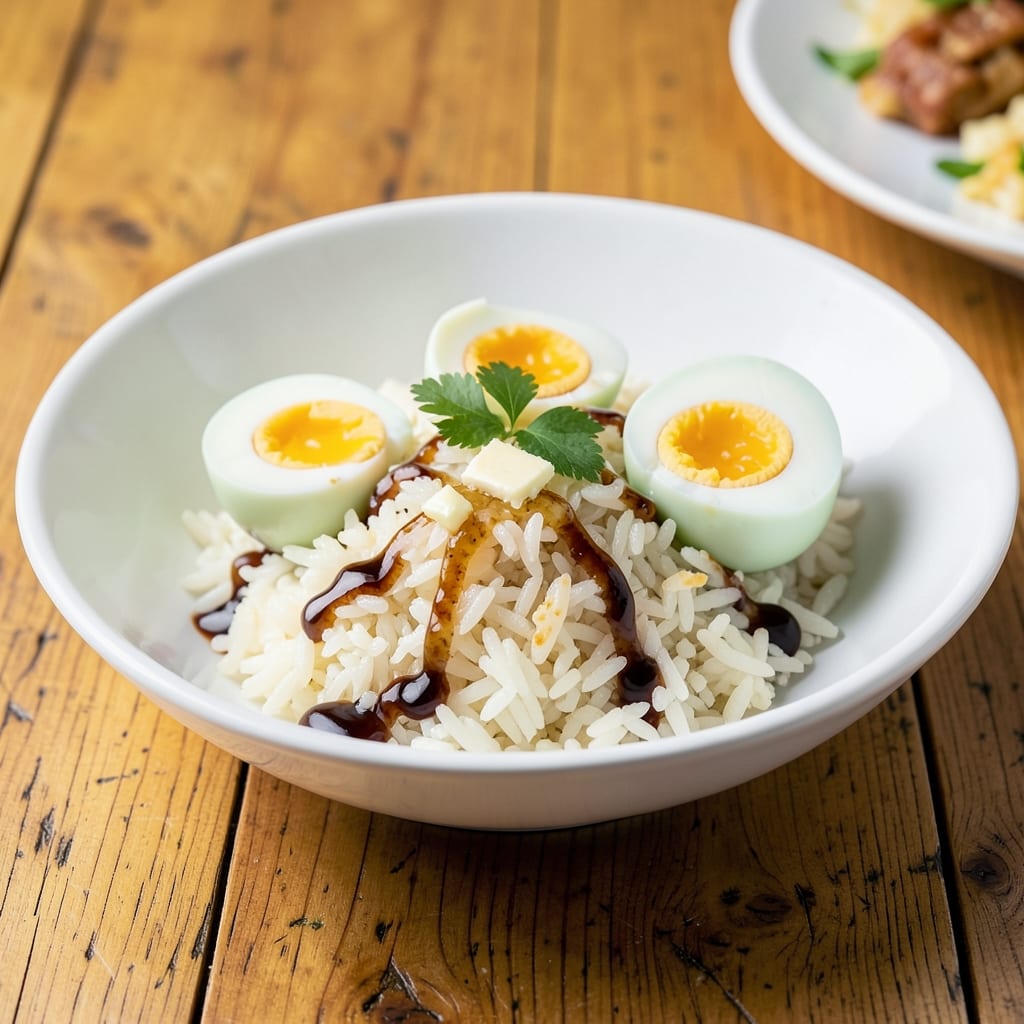
This one-pot boiled egg and rice recipe transforms simple ingredients into a satisfying meal in just 20 minutes—perfect for busy weeknights when you need protein and carbs without the fuss. The secret lies in timing both components simultaneously: rice simmers gently while eggs boil alongside, ensuring perfectly cooked grains and firm yolks every time. No separate pots, no complicated steps—just one container, minimal cleanup, and a balanced plate ready in under half an hour.
What makes this recipe work is the dual-cooking method: rice absorbs flavor from a light butter-salt base, while eggs develop just enough firmness to slice cleanly. The result is tender, slightly sticky rice paired with creamy yet firm eggs—ideal for quick lunches, meal prep, or even a light dinner. Add a sprinkle of soy sauce or sesame oil for extra depth, or keep it simple with a pinch of salt and pepper. This is the kind of meal that proves simplicity can still deliver restaurant-quality results.
Ingredients for boiled egg and rice
Nine simple ingredients for a balanced one-pot meal that delivers restaurant-quality results.
| Ingredient | Amount | Notes |
|---|---|---|
| Long-Grain White Rice 🍚 | 1 cup | Uncooked, rinsed thoroughly |
| Large Eggs 🥚 | 4 whole | Room temperature for even cooking |
| Unsalted Butter 🧈 | 2 tbsp | Cold, cut into small pieces |
| Water 💧 | 2 cups | Filtered preferred for clarity |
| Salt 🧂 | ½ tsp | Diamond Crystal preferred |
| Soy Sauce 🍶 | 1 tbsp | Light or regular, optional |
| Sesame Oil 🫒 | ½ tsp | Toasted for aroma, optional |
| Garlic Cloves 🧄 | 2 cloves | Minced for subtle flavor |
| Black Pepper 🌶️ | ¼ tsp | Freshly ground preferred |
| Green Onions 🧅 | 2 whole | Thinly sliced for garnish |
Rice is the foundation here, and jasmine or basmati work beautifully if you want extra aroma, but long-grain white is perfect for this quick method. Day-old rice reheats better if you're prepping ahead, but fresh works fine for immediate meals. Eggs should be large and fresh—room temperature ensures even cooking. The butter adds richness without overpowering the dish, so unsalted is key to control seasoning. For the garlic, mincing it finely ensures it blends seamlessly into the rice without chunks. If you're short on time, pre-minced garlic from a jar works in a pinch.
No soy sauce? Light fish sauce or a splash of Worcestershire adds umami depth. Skipping sesame oil? Toasted sesame seeds on top give a similar nutty finish. The green onions are purely decorative but add freshness—skip if you're sensitive to texture. For a vegetarian twist, replace eggs with extra-firm tofu cubes (boil alongside rice). The water-to-rice ratio is critical—2 cups water for 1 cup rice ensures tender grains without mushiness. If you prefer firmer rice, reduce water slightly to 1.75 cups.
This dish reheats beautifully—microwave with a splash of water to restore moisture. Store leftovers in an airtight container for 3-4 days in the fridge or freeze for up to 3 months. For meal prep, double the batch and portion into containers with a layer of plastic wrap pressed against the rice to prevent drying. The eggs stay firm when reheated gently, making this perfect for grab-and-go lunches. If making ahead, undercook the eggs slightly (6-7 minutes) so they firm up during reheating.
Why You'll Love This Recipe
- Five-Ingredient Magic: I swear by this recipe because it’s the kind of meal that makes you feel like you’ve cooked a full spread—just with rice, eggs, butter, water, and salt. No fancy gadgets, no last-minute grocery runs, just pure, satisfying simplicity.
- Butter-Perfect Richness: That first bite of buttery rice with a perfectly runny yolk? It’s the kind of flavor that turns a basic meal into something special. Honestly, the butter makes all the difference—it’s rich but not heavy, and the eggs add that creamy, indulgent touch.
- Lunchbox Hero: Between us, this is my go-to for meal prep. Pack it cold for work lunches or reheat it in seconds—fluffy rice, firm eggs, and that buttery warmth. My kids actually ask for it, and I’ll take that over any sad desk salad.
- Budget Breakthrough: A single batch feeds four for under $3, and leftovers taste just as good the next day. I’ll be real: I’ve stretched this into three meals before, and nobody’s complained. That’s the power of rice and eggs working together.
Step-by-step instructions for boiled eggs and rice
A simple, efficient method combining rice and eggs in one pot for a balanced, protein-rich meal.
Prepare the Rice Base
Rinse the 1 cup long-grain white rice thoroughly under cold water until the water runs clear. This removes excess starch and prevents gummy rice. Drain well in a fine-mesh strainer and transfer to a 4-quart saucepan. Add the 2 cups water and bring to a boil over medium-high heat. Once boiling, reduce heat to medium-low and stir once to distribute the rice evenly.
Let the rice simmer uncovered for 10 minutes, stirring occasionally to prevent sticking. You'll notice small bubbles forming around the edges—this indicates the rice is absorbing water. After 10 minutes, check the texture: grains should still feel firm but slightly softened. If needed, add 1-2 tablespoons hot water and cover with a tight-fitting lid to steam.
Add Aromatics and Seasonings
While the rice cooks, prepare the aromatics. In a small bowl, combine the 2 cloves minced garlic, 0.25 tsp black pepper, and 0.5 tsp salt. Once the rice has simmered for 10 minutes, stir the garlic mixture into the pot. Add the 2 tbsp cold unsalted butter and 1 tbsp soy sauce, mixing gently to distribute. The butter will melt into the rice, adding richness.
Let the rice cook an additional 5 minutes with the aromatics. The butter should be fully incorporated, and the rice should be tender but still slightly firm to the bite. This stage ensures the flavors meld together without overcooking the rice. If the rice appears dry before reaching 15 minutes total, add 2-3 tablespoons hot water and cover to steam.
Cook the Eggs in the Rice
Place the 4 room-temperature eggs on a plate and carefully crack them one at a time into the rice mixture. Distribute them evenly across the surface. The eggs should float just below the rice level. Cover the pot with a lid and reduce heat to low. Let the eggs cook for 8-10 minutes, stirring gently once or twice to ensure even heat distribution.
You'll know the eggs are done when their whites are fully set and the yolks are still slightly runny. The rice should be tender with a slight bite, and the eggs should be firm but not rubbery. If the rice looks dry before the eggs are fully cooked, add 1-2 tablespoons hot water and cover again. The residual heat will finish cooking the eggs without overcooking the rice.
Finish and Garnish
Remove the pot from heat and let it sit covered for 5 minutes. This resting period allows the rice to absorb any remaining moisture and the eggs to firm up slightly. Stir the rice gently to combine any separated ingredients, then drizzle with 0.5 tsp sesame oil for added aroma. The sesame oil should coat the rice evenly, enhancing its nutty flavor.
Garnish with the 2 thinly sliced green onions just before serving. The green onions add a fresh contrast to the rich, savory rice and eggs. Serve immediately while the eggs are still warm and the rice retains its texture. This one-pot meal delivers balanced nutrition with minimal cleanup, making it perfect for busy weeknights.
Pro Tips For Making Boiled Egg And Rice
- USE COLD WATER FOR EGGS: I learned this the hard way—hot water makes eggs crack like overconfident shells. Drop them into cold water first, then gently bring to a boil. The temperature shock keeps them intact, and you’ll end up with cleaner whites every time.
- SALT THE RICE WATER LATE: Adding salt early turns your rice into a sad, mushy mess. Wait until the water’s boiling and the rice is submerged, then toss in the salt. This keeps the grains firm and lets the butter flavor shine later.
- STOP THE RICE ON HEAT: I used to pull the pot off the stove too soon, leaving rice undercooked and gummy. Once the water’s absorbed but there’s still a tiny bit of liquid left, take it off heat—steam does the rest. Trust the residual heat.
- BUTTER AFTER DRAINING: Mixing butter into hot rice? That’s a shortcut to greasy, clumpy rice. Drain the cooked rice, let it sit for 2 minutes, then fold in cold butter. The grains stay separate, and the butter melts just enough to coat—no lumps.
Wine and beer pairings for this recipe
Light White Wine
This dish pairs beautifully with a crisp, light white wine like Sauvignon Blanc or Pinot Grigio. The acidity in these wines cuts through the richness of the butter and eggs while complementing the subtle garlic and soy notes. I recommend a New Zealand Sauvignon Blanc—its zesty citrus and herbal undertones enhance the dish’s freshness. 🍷
Dry Riesling
For a slightly sweeter but still dry option, try a German Riesling. The wine’s balance of acidity and mild sweetness complements the sesame oil and soy sauce without overpowering the delicate flavors. Look for a Kabinett-level Riesling—it’s light enough to let the rice and eggs shine while adding a touch of complexity.
Light Lager Beer
If you prefer beer, a crisp German Pilsner or Japanese lager works wonderfully. The clean, refreshing profile of these beers won’t clash with the dish’s simplicity. I love pairing this meal with Asahi Super Dry—its light body and subtle hoppiness cleanse the palate between bites. 🍺
Sake for Authentic Touch
For a more traditional pairing, especially if you’re serving this as a light lunch or dinner, chilled Japanese sake is perfect. A dry junmai ginjo enhances the umami from the soy sauce and the nutty notes of sesame oil. Serve it slightly chilled to highlight its delicate flavors.
Avoid Heavy Wines
Skip bold reds or heavy whites like Chardonnay—they’ll overpower the dish’s light, savory profile. Even a full-bodied Riesling might be too intense. Stick to wines with bright acidity and minimal oak to let the rice and eggs take center stage.
Nutrition facts
Frequently asked questions
Can I use brown rice instead of white rice in this recipe?
Yes, but adjust the cooking time and liquid ratio. Brown rice needs 30-40% more water (about 2.5 cups for 1 cup brown rice) and 30-40 minutes to cook fully. The eggs will still cook in the same 8-10 minutes, but you may need to extend the total cooking time. For best results, start with the rice first, then add eggs when the rice is nearly done.
How do I know when the eggs are perfectly cooked?
For firm but slightly creamy eggs, cook them for 8-10 minutes in the rice. Test by gently shaking the pot—if the eggs wobble slightly, they're done. The whites should be fully set while yolks remain soft but not liquid. Overcooking turns yolks rubbery, so keep an eye on them during the last 2 minutes of cooking.
What if my rice turns out mushy?
Mushy rice usually happens from overcooking or too much liquid. Next time, use 1.75 cups water for 1 cup rice and reduce heat to low once boiling. Stir occasionally to prevent sticking. If using a heavy-bottomed pot, cover with a tight lid and let it steam for 5 minutes off heat after cooking to redistribute moisture.
Can I make this recipe ahead of time?
Yes! Cook the rice and eggs as directed, then refrigerate in an airtight container for up to 3 days. Reheat gently with 2 tbsp water in the microwave for 2 minutes. For meal prep, undercook eggs by 1 minute so they firm up during reheating. Store eggs separately if you prefer them runnier when reheated.
What are some good toppings or sides for this dish?
Try these easy pairings: Steamed broccoli adds freshness, crispy fried shallots bring crunch, or quick-pickled cucumbers cut through the richness. For extra protein, serve with grilled shrimp or soft-boiled eggs on the side. A drizzle of spicy mayo or chili crisp adds excitement without overpowering the simple flavors.