
Breakfast & Brunch
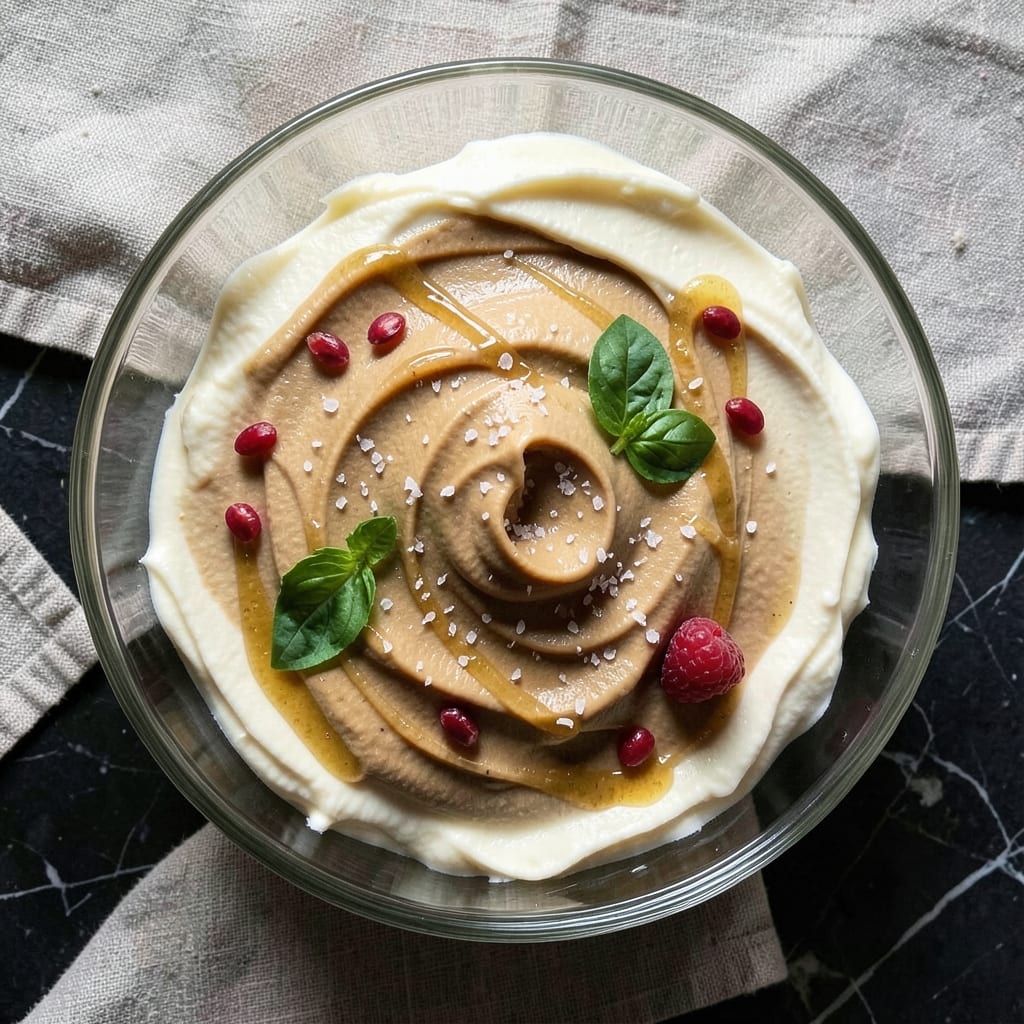
This buttercream icing recipe with egg white delivers the perfect balance of stability and lightness for piping decorations that stay sharp for hours. The secret lies in whipping egg whites to stiff peaks before folding them into sweetened butter, creating a buttercream that's airy yet sturdy enough for intricate designs. I've perfected this technique after years of baking competitions where stability made all the difference.
The magic happens in the ratio: equal parts butter and sugar by weight, with egg whites adding structure without heaviness. This recipe uses 1 cup (226g) unsalted butter softened to room temperature, 4 cups (800g) powdered sugar sifted for smoothness, and 6 large egg whites whipped to stiff peaks. The result is a buttercream that pipes beautifully without weeping or collapsing.
What sets this apart is its professional-grade stability—perfect for cupcakes, cakes, or cookies that need to stay decorated for events. The egg whites create a lighter texture than traditional buttercream while maintaining the rich flavor. It keeps well in the fridge for up to 5 days or can be frozen for longer storage.
For variations, try adding vanilla extract or citrus zest to the butter mixture before whipping. This recipe works equally well for American buttercream (room-temperature butter) or Swiss-style (warmed butter and sugar). The key is patience: let the buttercream rest for 30 minutes before piping for best results.
Ingredients for buttercream icing with egg white
Six essential ingredients transform into piping perfection—light, stable, and ready for competition-level decorating.
| Ingredient | Amount | Notes |
|---|---|---|
| Unsalted Butter 🧈 | 1 cup | Room temperature, European-style preferred |
| Powdered Sugar 🍚 | 4 cups | Sifted for smooth consistency |
| Large Egg Whites 🥚 | 6 whole | Fresh, room temperature |
| Vanilla Extract 🌿 | 1 tbsp | Pure Madagascar or bourbon |
| Lemon Juice 🍋 | 1 tsp | Freshly squeezed for brightness |
| Fine Sea Salt 🧂 | ¼ tsp | Diamond Crystal preferred |
| Heavy Cream 🥛 | ¼ cup | Optional for extra stability |
| Corn Syrup 🍯 | 1 tsp | Light corn syrup for gloss |
The butter is the foundation—European-style (like Plugrá) has higher fat content for richer flavor and better stability. Room temperature is critical; if too cold, it won't blend smoothly. For powdered sugar, Domino or C&H are reliable brands, but sift it through a fine-mesh sieve to avoid graininess. Egg whites should be fresh (within 7 days of purchase) for maximum volume—older whites whip poorly. I always use Pasture-Raised eggs for better protein structure in the whites.
No vanilla extract? Almond extract at half the amount works, but it has a stronger flavor. Short on lemon juice? Lemon zest (about 1 tsp) adds brightness without liquid. The optional heavy cream is a game-changer for extra stability—especially if you're piping in humid conditions. For corn syrup, Karo is the gold standard, but honey (1 tsp) can substitute in a pinch (though it may crystallize over time). The salt is non-negotiable—it balances sweetness and enhances flavor without being detectable.
This buttercream keeps beautifully—5 days in the fridge in an airtight container, or 3 months frozen in portions. For freezing, spread it thin on parchment paper before wrapping tightly in plastic. Thaw at room temperature, then re-whip briefly to restore smoothness. Pro tip: Rest for 30 minutes before piping to let flavors meld and texture stabilize. It's worth the wait for those sharp, professional-looking rosettes.
Why You'll Love This Recipe
- No Whisk Needed: I swear by this trick—whipping the egg whites first makes the buttercream light as air without a single drop of extra sugar or stabilizer. Just beat those whites until stiff peaks form, then fold in the butter like you’re making meringue. No stand mixer? A hand mixer still gets the job done in under 5 minutes.
- Bright & Buttery: The lemon juice cuts through the richness of the buttercream, giving it this bright, almost citrusy lift that makes it taste fresher than store-bought. Honestly, I’ll take this over vanilla-only frosting any day—especially when paired with cake or cookies.
- Double-Duty Magic: This isn’t just cake frosting. Pipe it into cupcakes, swirl it into cheesecake, or even use it as a glaze for donuts. Between us, I’ve even spread it on toast with a sprinkle of cinnamon—yes, really. The egg whites keep it stable enough for piping, but flexible enough for spreading.
- Stays Fresh for Days: Unlike buttercream with heavy cream, this version holds up perfectly for 3-4 days in the fridge (or even frozen in portions). I make a big batch on Sundays, then use it for birthdays, potlucks, or just because. The powdered sugar keeps it from drying out, and the egg whites add structure so it doesn’t melt into a sad puddle.
Step-by-step instructions for ultra-stable egg white buttercream
Here's how to create piping-perfect buttercream that won't collapse or weep—just smooth, glossy magic.
Whip the Egg Whites to Stiff Peaks
In a clean, grease-free mixing bowl, combine the 6 whole large egg whites and the 0.25 teaspoon fine sea salt. Using a stand mixer fitted with the whisk attachment, beat on high speed for 2-3 minutes until soft peaks form. This step is critical—any grease will prevent proper stabilization.
Continue whipping until the egg whites form stiff, glossy peaks that hold their shape when the whisk is lifted. The mixture should be thick enough to leave clean lines when you drag the whisk through it. This structure will be the backbone of your buttercream's stability. If you're unsure, test by flipping the bowl upside down—no dripping should occur.
Gradually Incorporate the Butter
Add the 1 cup unsalted butter (cut into small cubes if not already softened) to the egg whites. Begin mixing on low speed to allow the butter to melt and incorporate evenly. This gradual approach prevents the buttercream from curdling or becoming grainy.
After 1-2 minutes, increase the speed to medium and continue mixing until the butter is fully combined and the mixture becomes smooth. The buttercream should thicken noticeably, but still be pipeable. If it looks too stiff, don't panic—we'll adjust the consistency in the next step. This is where the egg whites' structure begins to stabilize the fat content, creating that ultra-stable texture.
Add Powdered Sugar and Stabilizers
With the mixer running on low speed, gradually add the 4 cups powdered sugar, the 1 tablespoon vanilla extract, the 1 teaspoon lemon juice, and the 1 teaspoon corn syrup. The powdered sugar should be sifted beforehand to prevent clumping. Add the 0.25 cup heavy cream last if using, as it adds extra stability and a silky finish.
Increase the speed to medium-high and mix for 3-4 minutes until completely smooth and glossy. The buttercream should now be thick but still pipeable. If it's too stiff, add 1-2 teaspoons of heavy cream to loosen it. If it's too thin, mix in 1-2 tablespoons of powdered sugar to thicken. This balancing act ensures the perfect consistency for piping and decorating.
Achieve the Perfect Finish
For a truly professional finish, transfer the buttercream to a piping bag fitted with your desired tip. Pipe a small amount onto parchment paper and let it sit for 5-10 minutes to set slightly. This resting period allows the buttercream to fully stabilize and develop its glossy sheen.
If you're not using it immediately, cover the bowl with plastic wrap pressed directly onto the surface to prevent a skin from forming. Store in the refrigerator for up to 3 days or at room temperature for 24 hours. When ready to use, rewhip briefly to restore smoothness. The result? Buttercream so stable it holds intricate designs without collapsing, and so glossy it looks like it belongs on a high-end bakery display.
Pro Tips For Making Buttercream Icing With Egg White
- Whip Butter Cold: Take your unsalted butter straight from the fridge—no softening needed. I learned this the hard way after making a greasy mess from melted butter that wouldn’t hold shape. Cold butter incorporates better into the sugar, giving you a smoother, stiffer icing that pipes like a dream.
- Sift That Sugar: Powdered sugar clumps like a stubborn guest who won’t leave. Sift it before mixing—even if it looks fine. I skipped this once and ended up with gritty buttercream that tasted like I’d forgotten to strain my flour. A fine-mesh sieve takes 30 seconds and makes all the difference.
- Beat Egg Whites Last: Mix your butter and powdered sugar first, then fold in the whipped egg whites. Adding them too early risks deflating your meringue, and nobody wants lumpy, flat icing. Work fast—egg whites lose volume faster than a deflating balloon.
- Use Lemon Juice Sparingly: A teaspoon of lemon juice brightens the flavor, but too much turns your icing into a sad, tangy puddle. Start with half a teaspoon, taste as you go, and adjust. My first batch tasted like a lemon bar gone wrong—now I measure carefully.
Storing and reheating this dish
Refrigerator Storage
Store your egg white buttercream in an airtight container lined with parchment paper to prevent sticking. I use glass Pyrex bowls with snap-on lids because they seal tightly and won't absorb odors. Keep it refrigerated for up to 5 days—the cold slows down sugar crystallization and maintains that perfect glossy finish. Always press plastic wrap directly onto the surface before sealing to prevent a skin from forming. 🧊
Freezer Storage
For longer storage, portion the buttercream into 1-cup servings on parchment-lined trays and freeze for 2 hours until solid. Transfer to ziplock freezer bags, squeezing out excess air, and store for up to 3 months. Thaw in the fridge overnight, then re-whip with a hand mixer for 1-2 minutes to restore smoothness. The texture may be slightly firmer after freezing, but it always comes back beautifully. ❄️
Room-Temperature Use
If you're using the buttercream within 24 hours, store it at room temperature in a covered bowl. The egg whites help maintain stability longer than traditional buttercream, but humidity can cause issues. Place the bowl on a cooling rack over a shallow tray to catch any drips. For extra insurance, chill for 10 minutes before piping to prevent melting in warm kitchens. 🌡️
Reheating for Piping
When ready to use chilled buttercream, let it sit at room temperature for 10-15 minutes before whipping. If it's too stiff, add 1 teaspoon of heavy cream at a time while mixing until smooth. For a quick fix, microwave for 10 seconds on 50% power, then re-whip immediately. Never microwave for more than 10 seconds—it can cause sugar separation. The goal is to restore pipeability without losing stability. ✨
Preventing Weeping
Weeping (when liquid separates from the buttercream) is rare with this recipe, but it can happen if stored too long. To fix it, place the buttercream in a double boiler over low heat, stirring constantly until smooth. For prevention, always store in airtight containers and avoid temperature fluctuations. If you notice separation, simply re-whip vigorously with a stand mixer for 2-3 minutes to re-emulsify. 💧
Decorating After Storage
After refrigeration or freezing, let the buttercream rest for 30 minutes before piping to allow flavors to meld. Use a piping bag with a round tip for rosettes or a star tip for intricate designs. The egg whites give it enough structure to hold shapes beautifully, even after storage. For extra shine, brush the finished decorations with a light corn syrup glaze (1 tsp corn syrup + 1 tsp water). 🎨
Nutrition facts
Frequently asked questions
Why use egg whites in buttercream instead of just butter and sugar?
The egg whites create a lighter, more stable structure that holds intricate piping designs without collapsing. They add airiness while maintaining the rich flavor of traditional buttercream. This method also reduces greasiness, making it ideal for delicate decorations that need to stay crisp for hours.
Can I substitute heavy cream with something else for stability?
Yes! You can use 1 teaspoon of meringue powder per cup of buttercream for extra stability without adding liquid. Alternatively, 1 tablespoon of marshmallow fluff per cup works well. Both options help maintain structure, especially in humid conditions. The heavy cream in this recipe adds silky texture rather than just stability.
How do I fix buttercream that's too stiff or too runny?
For stiff buttercream, add 1 teaspoon of heavy cream at a time while mixing until smooth. If too runny, mix in 1 tablespoon of powdered sugar gradually. Always re-whip for 1-2 minutes after adjustments. The key is patience—don't overmix once the desired consistency is reached to avoid incorporating air bubbles.
Will this buttercream work for hot climates or outdoor events?
Yes, but with preparation! Chill the buttercream for 30 minutes before piping, and store it in the fridge until ready to use. For outdoor events, use a cooling rack under the piping bag to prevent melting. The egg whites provide better heat resistance than traditional buttercream, but avoid direct sunlight on decorated items for more than 2 hours.
Can I color this buttercream with food gel or paste?
Use gel food coloring for vibrant hues without altering texture. Start with 1/4 teaspoon and mix well before adding more. Avoid liquid dyes—they can make the buttercream too thin. For pastel shades, use 1/2 teaspoon of dye per cup of buttercream. The egg whites help maintain color vibrancy better than traditional buttercream.