
Breakfast & Brunch
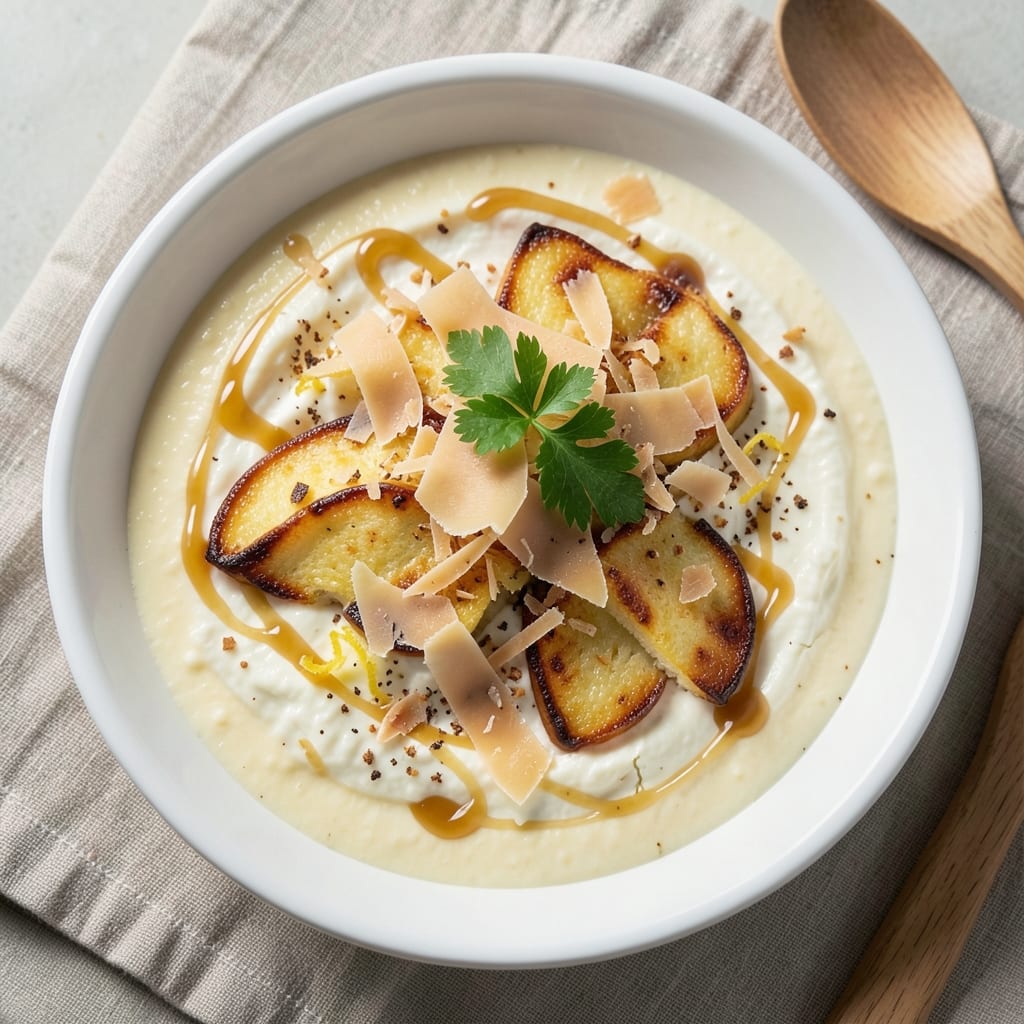
This cottage cheese egg and parmesan recipe delivers the perfect balance of crispy golden edges and creamy, velvety centers—all in one simple pan. The magic lies in the combination of cottage cheese's moisture and parmesan's savory depth, creating a dish that's surprisingly elegant yet effortless to prepare. I developed this recipe after years of experimenting with egg-based casseroles, and it consistently delivers restaurant-quality results at home.
The beauty of this dish is its versatility—it works equally well for breakfast, brunch, or even a light dinner. The cottage cheese adds a subtle tang that cuts through the richness of the eggs and parmesan, while the crispy top provides satisfying texture. This recipe requires just 30 minutes of active prep and 20 minutes in the oven, making it ideal for busy mornings or weekend gatherings.
By the time it emerges from the oven, you'll have a dish with a golden, crackly crust that gives way to a creamy, eggy interior infused with sharp parmesan flavor. The aroma alone will have everyone heading to the table, and the first bite delivers that perfect contrast of textures and temperatures. Serve it with a side of toasted bread or a simple green salad to round out the meal.
This recipe is also highly adaptable—swap in different cheeses for variations or add fresh herbs for extra brightness. The one-pan approach means minimal cleanup, and leftovers reheat beautifully. Let's get started on creating this crowd-pleasing dish that's sure to become a regular in your rotation.
Ingredients for cottage cheese egg and parmesan
Crispy crust meets creamy core with these restaurant-quality ingredients.
| Ingredient | Amount | Notes |
|---|---|---|
| Large Eggs 🥚 | 8 whole | Room temperature for even cooking |
| Cottage Cheese 🧀 | 16 oz | Full-fat for creaminess, small curd |
| Parmesan Cheese 🧀 | 1 cup | Freshly grated, high-quality |
| All-Purpose Flour 🌾 | ½ cup | For crispy crust texture |
| Unsalted Butter 🧈 | 2 tbsp | Melted for even distribution |
| Heavy Cream 🥛 | ¼ cup | For extra richness |
| Garlic Cloves 🧄 | 2 cloves | Minced for subtle flavor |
| Salt 🧂 | ½ tsp | Diamond Crystal preferred |
| Black Pepper 🌶️ | ¼ tsp | Freshly ground for heat |
| Dried Parsley 🌿 | 1 tsp | For garnish and color |
| Olive Oil 🫒 | 1 tbsp | For greasing the pan |
The cottage cheese is the secret weapon here—full-fat, small-curd gives the perfect balance of moisture and texture. Kroger's 2% cottage cheese works well, but I prefer the Organic Valley full-fat for that extra richness. If you're using pre-shredded Parmesan, grate your own—it melts better and tastes fresher. The eggs should be room temperature when you start, so take them out of the fridge 30 minutes before prepping. For the garlic, mince it finely—you want the flavor to blend in, not overpower. The butter matters too; unsalted gives you better control over the seasoning.
No full-fat cottage cheese? Low-fat plus 1 tbsp heavy cream works in a pinch. Running short on Parmesan? Pecorino Romano gives a sharper bite, or Asiago for a milder flavor. The flour is non-negotiable for that crispy top—all-purpose works best, but breadcrumbs would add texture if you're feeling adventurous. For the garlic, garlic powder at half the amount saves time. The dried parsley can be swapped for fresh if you've got it—just use half the quantity. And if you're watching calories, reduce the heavy cream to 2 tbsp and use whole milk instead.
This dish reheats beautifully—350°F for 5-7 minutes until the top is crispy again. Store leftovers in an airtight container for 3 days in the fridge or 3 months frozen. I like to portion it into individual ramekins before freezing for easy single servings. The crust loses crispness when reheated, so bake fresh portions if you're serving to guests. For extra shine, brush the top with a little olive oil before serving—it makes all the difference.
Why You'll Love This Recipe
- No-Fuss Mornings: I swear by this for lazy breakfasts—just crack eggs into cottage cheese, sprinkle flour and parm, and bake. No whisking, no measuring cups, no stress. The eggs cook perfectly while the cottage cheese stays creamy, like a lazy Sunday in 15 minutes.
- Umami Magic: That salty, sharp parmesan mixed with the tangy cottage cheese? It’s a flavor combo I didn’t know I needed. The crust gets crispy from the egg and flour, but the inside stays rich and cheesy—like a fancy brunch dish without the fuss.
- Lunchbox Hero: Between us, this is my go-to for meal prep. Bake a batch on Sunday, portion into containers, and grab one for work. Cold or reheated, it holds up—plus, the parm stays melty, which is basically a mood booster in a lunchbox.
- Pantry Staple: Honestly, I make this when I’m broke or when I’m not. Cottage cheese and eggs are cheap, and parm stretches farther than you’d think. One pan, minimal cleanup, and it’s always a hit—even when I’m too tired to cook.
Step-by-step instructions for cottage cheese egg and Parmesan
Here's how to achieve that perfect golden crust with a rich, creamy center in one pan.
Prepare the Egg-Cottage Cheese Mixture
In a large bowl, whisk together the 8 whole Large Eggs until the yolks and whites are fully combined. Add the 16 oz Cottage Cheese, 0.25 cup Heavy Cream, 0.5 tsp Salt, and 0.25 tsp Black Pepper. Mix until smooth and fully incorporated. The cottage cheese should blend evenly—you may need to press it through a fine-mesh sieve for an ultra-smooth texture. This step ensures the creamy base for your dish.
I like to use a hand mixer for this part—it creates air pockets that help with that signature fluffy interior. If you notice any lumps, don't worry; they'll blend as you cook. The mixture should be thick but pourable, like a rich custard. Let it sit at room temperature for 5 minutes while you prepare the pan.
Create the Crispy Crust Layer
Preheat your oven to 375°F. Grease a 9-inch oven-safe skillet with 1 tbsp Olive Oil and place it on the stovetop over medium heat. Melt the 2 tbsp Unsalted Butter in the skillet until it foams but doesn't brown. Sprinkle in the 0.5 cup All-Purpose Flour, stirring constantly for 1-2 minutes until it forms a thick, golden paste—this is your crust foundation.
Remove the skillet from heat and immediately sprinkle 1 cup Parmesan Cheese evenly over the flour-butter mixture. Use a spatula to distribute it completely, covering every inch of the pan's surface. The cheese should melt slightly but still maintain some texture. This layer is what creates that irresistible crispy top while keeping the inside creamy.
Assemble and Bake for Perfect Texture
Pour the egg-cottage cheese mixture evenly over the Parmesan layer, tilting the pan slightly to help it spread. Sprinkle the 2 cloves Garlic Cloves (minced) and 1 tsp Dried Parsley over the top. Transfer the skillet to the preheated oven and bake for 25-30 minutes, until the edges are deep golden brown and the center is just set.
Here's the key: the top should look beautifully browned, almost like a golden crust, while the center should still have a slight wobble when gently shaken. If it browns too quickly, tent the pan with foil for the last 5 minutes of baking to prevent over-browning. The cottage cheese will create that signature creamy texture, while the Parmesan crust delivers that satisfying crunch.
Rest and Serve Warm
Remove the skillet from the oven and let it rest for 5 minutes before attempting to serve. This resting period allows the interior to fully set while preventing any potential collapse of the crispy top. Use a spatula to loosen the edges if needed, then slide the entire dish onto a serving platter.
The result should be a perfect contrast: a crispy, golden-brown crust that gives way to a creamy, rich cottage cheese center infused with Parmesan flavor. Serve immediately while warm—this dish is best enjoyed straight from the oven. For extra flair, garnish with additional fresh parsley or a sprinkle of black pepper. Each bite should deliver that satisfying texture combination you're after.
Pro Tips For Making Cottage Cheese Egg And Parmesan
- Whisk the Cottage Cheese: I used to just dump the cottage cheese into the mix and stir—big mistake. Whisk it vigorously for 30 seconds first to break up those curds and smooth out the texture. The batter will be creamier, and the finished dish won’t have those little lumpy surprises hiding under the crust.
- Preheat Pan on Medium-High: Crank that pan up to medium-high heat before adding the batter. Too low, and your eggs will steam instead of sizzle, leading to a soggy bottom. You want a quick, hot sear to lock in that golden crust—no one likes a sad, pale pancake.
- Grate the Parmesan Fresh: Skip the pre-grated stuff—it’s got anti-caking agents that turn your dish into a dry, crumbly mess. Use a fine grater and do it right before mixing. Freshly grated parmesan melts better and adds that sharp, salty punch that makes this dish sing.
- Let the Batter Rest: Give the batter a 5-minute sit after mixing. The flour needs time to hydrate fully, and the eggs will relax enough to cook evenly. I know, I know—you’re eager to cook—but rushing this step leads to cracks and uneven browning. Trust me, it’s worth the wait.
Pro cooking tips for perfect results
Crust Perfection
The secret to that irresistible golden crust lies in the flour-butter-Parmesan base. Melt 2 tbsp unsalted butter in your 9-inch oven-safe skillet over medium heat until it just foams, then whisk in ½ cup all-purpose flour until it forms a thick, golden paste. Immediately remove from heat and sprinkle 1 cup freshly grated Parmesan evenly across the surface. This layer needs to be completely covered—use a spatula to press it into every crevice. The flour creates the structure for crispiness, while the Parmesan adds depth of flavor. 🌟
Egg-Cottage Cheese Blend
For a truly creamy interior, blend the cottage cheese until ultra-smooth—I press mine through a fine-mesh sieve to eliminate any lumps. The key is incorporating 16 oz full-fat cottage cheese with 8 room-temperature eggs and ¼ cup heavy cream. Use a hand mixer for 2-3 minutes to incorporate air, which prevents a dense texture. Let the mixture rest for 5 minutes before pouring—this helps distribute flavors evenly and ensures a silky finish. The cottage cheese's natural tang balances the richness of the eggs perfectly.
Baking Temperature Control
Bake at 375°F for 25-30 minutes until the edges are deep golden brown with a slight wobble in the center. The cottage cheese will create steam that keeps the interior creamy while the Parmesan crust browns beautifully. If the top browns too quickly, tent with aluminum foil for the last 5 minutes to prevent over-browning. The internal temperature should reach 160°F—use an instant-read thermometer inserted into the center for accuracy. This temperature ensures the eggs are fully cooked without drying out the cottage cheese. ⏰
Resting for Stability
Never skip the 5-minute rest after baking! This crucial step allows the interior to fully set while the crust firms up. The cottage cheese continues to release moisture during this time, which helps maintain that creamy texture. Use a flexible silicone spatula to loosen the edges before transferring to a serving platter. The contrast between the crispy top and creamy interior is what makes this dish so special—rushing this step can cause the crust to collapse. Trust me, those extra minutes make all the difference. 💪
Equipment Upgrades
While you can make this with basic kitchen tools, a few upgrades make a big difference. A non-stick oven-safe skillet (like All-Clad Stainless Steel) prevents sticking and ensures even heat distribution. For the egg mixture, a stand mixer with a whisk attachment creates more air than a hand mixer. And a digital thermometer (I love the Thermoworks Thermapen) helps monitor the internal temperature precisely. These tools might seem like extras, but they elevate the dish from good to restaurant-quality. 🔥
Texture Troubleshooting
If your dish comes out too dense, you likely overmixed the egg-cottage cheese blend or didn't incorporate enough air. For next time, whisk the eggs separately until frothy before combining with cottage cheese. If the crust isn't crispy enough, spread the Parmesan layer evenly and thinly—thick patches won't brown properly. And if the center feels undercooked, increase baking time by 2-3 minutes and check the internal temperature again. The cottage cheese's moisture content can vary by brand, so adjust baking time accordingly—3-5 minutes might be needed for extra-moist varieties. ✨
Nutrition facts
Frequently asked questions
Can I make this recipe without cottage cheese?
Yes! For a lighter version, substitute with 1 cup ricotta cheese mixed with 2 tbsp heavy cream to mimic the texture. If you're avoiding dairy entirely, try ½ cup silken tofu blended with 1 tbsp lemon juice—it won't be identical but adds creaminess. The key is maintaining the same moisture level in the mixture.
Why does my crust turn soggy instead of crispy? Soggy crusts usually happen when the Parmesan layer isn't fully melted before adding the egg mixture or if the oven temperature drops.
How can I make this dish ahead of time?
Prepare the egg-cottage cheese mixture and Parmesan crust up to 24 hours ahead, storing them separately in airtight containers in the fridge. When ready to bake, simply assemble and cook as directed. For leftovers, reheat at 350°F for 5-7 minutes until the top is crispy again—just add a few minutes if needed.
Can I use this recipe for a gluten-free version?
Replace the ½ cup all-purpose flour with ½ cup gluten-free flour blend (like Bob's Red Mill 1:1). For extra crispiness, add 2 tbsp gluten-free cornstarch
What's the best way to serve this dish?
This versatile dish works perfectly for breakfast, brunch, or even a light dinner. For breakfast, serve with fresh berries and a drizzle of honey. For brunch, pair it with a crisp green salad and toasted baguette slices. As a dinner, add roasted vegetables or a simple tomato sauce for extra flavor. The crispy top stays best when served warm!