
Breakfast & Brunch
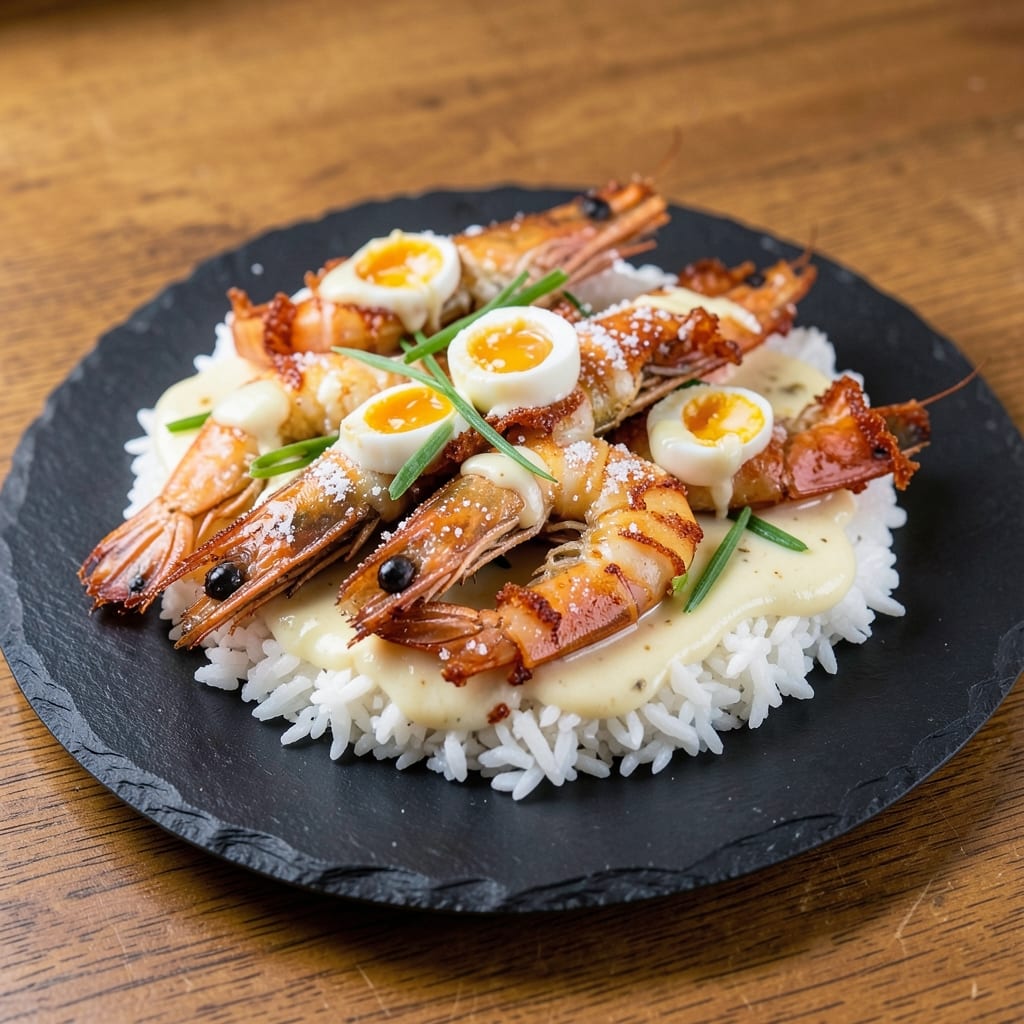
This creamy salted egg prawn recipe transforms simple shrimp into a luxurious, restaurant-worthy dish with just 30 minutes of hands-on time. The secret lies in emulsifying silky egg yolks with coconut milk and prawn paste, creating a velvety sauce that clings to every tender bite. I developed this version after craving the rich, salty depth of traditional salted egg dishes but wanting a lighter, coconut-infused twist—perfect for brunch or a weeknight dinner upgrade.
The technique is simpler than it sounds: start by sautéing garlic and shallots until fragrant, then add prawns for just 2 minutes to lock in their sweetness. The real magic happens when you whisk in the salted egg yolks and coconut milk over low heat, creating a sauce so smooth it practically melts on your tongue. Garnish with crispy fried shallots or chili oil for that essential crunch and heat contrast.
What you’ll end up with is a dish that balances creamy, salty, and slightly spicy flavors in every spoonful—rich enough to feel indulgent but brightened by coconut’s natural sweetness. The prawns stay juicy and tender, while the sauce coats them perfectly, making each bite feel like a little celebration. This recipe serves 2 generously, but the leftovers reheat beautifully for lunch the next day.
Pair it with steamed jasmine rice to soak up every last drop of that luscious sauce, or serve over noodles for a heartier meal. The dish also works as a stunning appetizer when plated with edible flowers or microgreens. Ready to make this your new go-to prawn dish?
Ingredients for creamy salted egg prawn
Silky prawns, rich salted egg yolks, and fragrant coconut milk create this luxurious dish.
| Ingredient | Amount | Notes |
|---|---|---|
| Large Prawns (Shrimp) 🦐 | 12 oz | Peeled, deveined, tail-on preferred |
| Salted Duck Egg Yolks 🥚 | 4 whole | Freshly shelled, salted egg yolks |
| Coconut Milk 🥥 | 1 cup | Full-fat for creaminess |
| Prawn Paste 🍜 | 1 tbsp | Or substitute 1 tsp fish sauce |
| Garlic Cloves 🧄 | 4 cloves | Minced, fresh preferred |
| Shallots 🧅 | 2 whole | Thinly sliced, for garnish |
| Green Chili 🌶️ | 1 whole | Thinly sliced, for garnish |
| Cilantro Leaves 🌿 | ¼ cup | Chopped, for garnish |
| Vegetable Oil 🫒 | 2 tbsp | For sautéing |
| Lime Juice 🍋 | 1 tbsp | Freshly squeezed |
| Sugar 🍬 | 1 tsp | White sugar, balances salt |
| Salt 🧂 | ½ tsp | Adjust to taste |
| Black Pepper 🌶️ | ¼ tsp | Freshly ground |
| Chili Oil 🔥 | 1 tbsp | For garnish, optional |
The salted duck egg yolks are the star here—look for fresh, unbroken yolks at Asian markets or specialty grocers like Whole Foods. If you can't find them, substitute 4 hard-boiled quail eggs (salted and shelled) or even regular duck eggs with extra salt. Prawns should be fresh, not frozen, for the best texture—Costco or local seafood markets usually have great options. The prawn paste adds depth, but if you can't find it, fish sauce works in a pinch. Just remember to balance the saltiness with the sugar later.
No coconut milk? Substitute with equal parts light coconut milk and a splash of cream—it won't be as rich, but still delicious. Fresh shallots can be swapped for onions, though they add a slightly different flavor. The green chili is optional but adds that essential heat contrast—bird's eye chilies work perfectly. For extra crunch, fry the shallots in oil until golden before adding them to the dish. The lime juice brightens everything up, so don't skip it. If you're feeling adventurous, add a dash of soy sauce for an umami boost, but keep it subtle.
This sauce reheats beautifully—just warm it gently on the stove with a splash of water to restore its creaminess. Store leftovers in an airtight container for up to 3 days in the fridge. The prawns stay tender, but the sauce might thicken slightly—thin with a little coconut milk or water when reheating. Garnishes like cilantro and chili oil can be added fresh when serving, so they stay crisp. For a quick prep, chop all garnishes ahead and store them in the fridge until ready to use.
Why You'll Love This Recipe
- One-Pot Magic: I swear by this recipe when I’m too tired to wash extra bowls—just toss prawns, prawn paste, and coconut milk in one pot, let the garlic sizzle, then fold in those rich salted egg yolks at the end. The cleanup? A single pan, a quick wipe, and you’re done.
- Umami Bomb: That first bite of prawn with the salted egg yolk oozing out? It’s like a flavor explosion—salty, creamy, and just a hint of funk from the prawn paste. Honestly, I’ll take this over any fancy seafood dish when I crave something bold but simple.
- Weeknight or Date Night: Serve it over jasmine rice with a sprinkle of chili flakes for a quick weeknight meal, or drizzle it over noodles for a restaurant-worthy dish. Between us, my partner’s favorite is when I plate it with fresh herbs—looks fancy, takes zero effort.
- Leftovers That Don’t Suck: Unlike many creamy dishes, this actually tastes better the next day. I’ll reheat a portion for lunch or toss it into fried rice—no one ever complains. (Yes, even on a Tuesday night.) The coconut milk keeps it rich without curdling, and the prawns stay tender.
Step-by-step instructions for creamy salted egg prawn curry
Here's how to create a velvety coconut curry with rich salted egg yolks and perfectly cooked prawns.
Sauté Aromatics Until Fragrant
Heat the 2 tablespoons vegetable oil in a deep skillet over medium heat. Add the 4 cloves minced garlic cloves and cook for 30 seconds until you can smell that sweet, pungent aroma wafting up. The garlic should just start to turn golden around the edges—don't let it brown or it'll turn bitter.
Next, add the 1 tablespoon prawn paste and stir vigorously for 1 minute until it turns a deep amber color. This paste is the flavor foundation of your dish, so let it bloom fully. The mixture should smell intensely savory and slightly funky—this is where all the umami magic happens. Keep the heat at medium to prevent burning while developing these flavors.
Build the Creamy Coconut Base
Pour in the 1 cup coconut milk and stir to combine with the prawn paste. Bring the mixture to a gentle simmer over medium-low heat—you'll see small bubbles forming around the edges but not a full rolling boil. Let it cook for 3-4 minutes until the coconut milk begins to thicken slightly and the aroma becomes rich and tropical.
Add the 4 whole salted duck egg yolks, stirring constantly with a silicone spatula to prevent them from breaking. The yolks will begin to emulsify into the coconut milk, creating that signature creamy texture. If you notice any lumps forming, gently press them through a fine-mesh sieve to achieve a completely smooth consistency. This is where the dish gets its luxurious, velvety quality.
Season and Cook the Prawns
Add the 12 oz large prawns to the skillet and stir gently to coat them in the coconut mixture. Sprinkle with ½ teaspoon salt, ¼ teaspoon black pepper, and 1 teaspoon sugar, then stir again to distribute evenly. Cook for 3-4 minutes until the prawns turn opaque and curl slightly at the edges. They should feel firm to the touch but still tender—overcooking will make them rubbery.
Here's the thing—don't overcrowd the pan. If your prawns are too tightly packed, they'll steam instead of sear. I like to work in batches if needed, adding them to the skillet in 2-minute intervals until all are cooked. The prawns should have just a hint of pink in the center when done—they'll continue cooking slightly from residual heat.
Finish with Lime and Garnish
Remove the skillet from heat and stir in the 1 tablespoon lime juice. This bright citrus note cuts through the richness of the coconut and salted eggs, balancing the flavors perfectly. Taste and adjust seasoning if needed—you might want to add a pinch more salt or a splash more lime juice depending on your preference.
For the final touch, divide the curry between serving bowls. Top each portion with thinly sliced shallots, thinly sliced green chili, and chopped cilantro leaves. Drizzle with 1 tablespoon chili oil for that signature spicy crunch. The contrast of textures—creamy curry, crunchy garnishes—makes this dish truly special. Serve immediately with steamed jasmine rice to soak up every last drop of that silky sauce.
Pro Tips For Making Creamy Salted Egg Prawn
- Bloom the paste: Heat your prawn paste with just a splash of coconut milk (about 2 tablespoons) first—stirring constantly on medium-low heat for 3-4 minutes until it turns a deep, glossy red. I learned this the hard way after my first batch tasted raw and chalky; blooming it properly unlocks that rich, umami depth before the rest of the sauce even joins the party.
- Mince garlic finely: Use a knife—or better yet, a garlic press—to mince your cloves into a near-paste before cooking. Whole slices burn unevenly and leave harsh, bitter pockets, while finely minced garlic melts smoothly into the coconut milk, blending seamlessly with the salted egg yolk’s creaminess. (Yes, it takes 2 minutes extra, but your mouth will notice.)
- Poach prawns first: Shock your prawns in boiling water for 30 seconds, then plunge into ice water to stop cooking immediately. This keeps them tender and prevents them from turning rubbery when they hit the creamy sauce later. Overcooking them in the final stir-fry is how you end up with chewy, sad shrimp—trust me, I’ve served that to guests.
- Whisk yolk last: Toss the salted egg yolks into the sauce after removing it from heat, then give it a quick whisk to emulsify—just until the yolks soften but don’t fully cook. If you add them too early, they’ll scramble into gritty bits instead of silky ribbons. The sauce should coat a spoon like thick custard, not break apart like a failed mayo. (And no, a blender won’t fix it.)
Perfect pairings for these flavors
Rice Pairings
Steamed jasmine rice is my go-to pairing—its delicate floral aroma complements the coconut's sweetness without overpowering the dish. Cook 1 cup jasmine rice with 1.5 cups water until tender, then fluff with a fork. The rice soaks up every last drop of that creamy sauce, making each bite feel indulgent. For extra flair, sprinkle with toasted sesame seeds before serving. 🍚
For a heartier option, try thai fragrant rice—its nutty undertones add depth to the dish. I like to cook it slightly firmer than jasmine rice so it holds up to the rich sauce. Another winner is basmati rice, which stays separate and lets the prawns shine. Whatever you choose, serve it warm to enhance the coconut's natural richness.
Vegetable Sides
A light steamed bok choy or baby spinach adds freshness to balance the dish's richness. Toss 4 cups baby spinach with 1 tablespoon toasted sesame oil and a pinch of salt before serving. The greens' mild bitterness cuts through the creaminess beautifully. For a crunchier option, try quick-pickled cucumbers—slice 1 English cucumber into thin rounds, then toss with 1 tbsp rice vinegar, 1 tsp sugar, and ½ tsp salt. Let sit for 10 minutes before serving. 🥬
Beverage Pairings
A crisp Thai iced tea is my perfect beverage match—its sweet, floral notes complement the coconut and prawns without competing. Brew 4 tea bags in 4 cups hot water, add ½ cup sugar, and chill. Serve over ice with lemon slices. For a non-alcoholic option, try sparkling lime soda—the effervescence cleanses your palate between bites. 🍹
If you prefer alcohol, a lightly chilled Riesling works wonders. The wine's acidity balances the dish's creaminess, while its citrus notes echo the lime finish. For something stronger, a sake with a touch of yuzu juice adds an elegant contrast. Just keep it chilled to avoid overwhelming the delicate flavors.
Garnish Upgrades
For an extra touch of sophistication, top your dish with crispy fried shallots—their golden crunch contrasts perfectly with the creamy sauce. Fry 2 tbsp thinly sliced shallots in 2 tbsp oil until golden brown, then drain on paper towels. Sprinkle generously over the prawns right before serving. 🌟
Fresh Thai basil leaves add a fragrant, slightly peppery note that elevates the dish. Tear ½ cup basil leaves by hand and scatter over the top just before eating. Another great garnish is toasted coconut flakes—their nutty aroma enhances the coconut milk's flavor. Toast 2 tbsp unsweetened coconut flakes in a dry pan for 2 minutes until golden, then sprinkle on top.
Nutrition facts
Frequently asked questions
Can I substitute regular eggs for salted duck eggs?
You can try, but the flavor won't be the same! Salted duck eggs provide that signature umami depth and salty richness. For a closer substitute, use 4 hard-boiled quail eggs (salted and shelled) or regular duck eggs with an extra ½ teaspoon salt added to the sauce. If using chicken eggs, you'll need to add 1 teaspoon fish sauce or soy sauce to compensate for the missing saltiness.
How do I prevent the prawns from turning rubbery?
Cook them just until they turn opaque (3-4 minutes) and have a slight curl. Overcooking releases their natural juices, making them tough. Work in batches if needed to avoid crowding the pan—this ensures they sear properly. Also, never overcrowd the pan with prawns, and keep the heat at medium to maintain even cooking.
What if I can't find prawn paste?
No problem! Use 1 teaspoon fish sauce as a substitute—it provides similar umami depth. For a more authentic flavor, blend 1 tablespoon dried shrimp with 1 teaspoon soy sauce and use that instead. The dish will still taste delicious, though the texture will be slightly different. Adjust the salt in the final seasoning if needed.
Can I make this dish ahead of time?
but store the sauce and prawns separately. The sauce keeps well in an airtight container for 3 days in the fridge. Reheat gently on the stove with a splash of coconut milk or water to restore creaminess. Add the prawns fresh when reheating to maintain their texture—just cook for 1-2 minutes until warmed through.
What's the best way to store leftover salted duck eggs?
Keep them in their shells in the fridge for up to 1 week—the shell protects them from absorbing other flavors. If you need to use them quickly, remove the yolks and store them in an airtight container with a thin layer of oil on top to prevent browning. For longer storage, freeze the yolks in an ice cube tray with a splash of water—they'll keep for 3 months** and work perfectly in this recipe!