
Salads
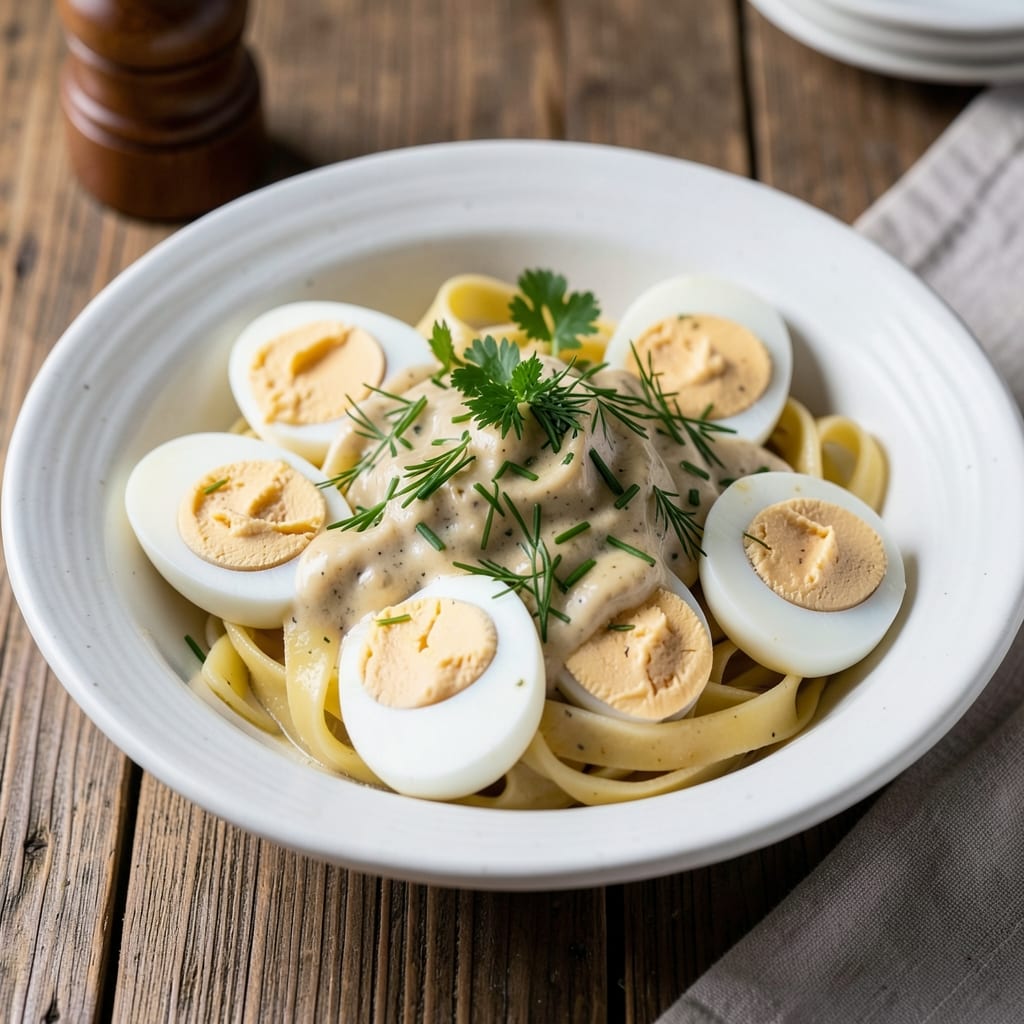
This deviled egg pasta recipe reimagines a classic comfort dish with a creamy, herb-infused twist that delivers restaurant-quality results at home. The marriage of tender pasta and rich yolk filling creates a dish that’s surprisingly elegant yet simple to prepare—perfect for vegetarians or anyone craving something hearty yet light. What sets this apart is the way the flavors meld: silky egg yolks blend seamlessly with pasta, while fresh herbs and a touch of mustard add brightness.
The process is straightforward: cook your pasta al dente, then mix the yolks with mayo, Dijon, and herbs for a filling that’s creamy without being heavy. The key is timing—whisk the filling just before combining with the pasta to keep it velvety smooth. This isn’t your grandmother’s deviled eggs; it’s a modern take that still feels nostalgic. The result is a dish that’s rich, satisfying, and packed with protein, making it ideal for lunch or a light dinner.
What you’ll end up with is a plate of golden pasta coated in a luscious yolk-herb sauce, where every bite delivers a perfect balance of creaminess and texture. The dish holds together beautifully, so you won’t need to worry about soggy noodles or separated fillings. Garnish with crispy breadcrumbs or fresh parsley for extra flair, and you’ve got a meal that’s both impressive and effortless.
Whether you’re serving this for a weeknight dinner or a special occasion, it’s a dish that feels indulgent yet balanced. The vegetarian-friendly ingredients make it versatile, while the technique ensures foolproof success. Let’s get cooking!
Ingredients for deviled egg pasta
Eight eggs, creamy tofu, and fresh herbs transform simple pasta into restaurant-worthy elegance.
| Ingredient | Amount | Notes |
|---|---|---|
| Large Eggs 🥚 | 8 whole | Room temperature for even cooking |
| Extra-Firm Tofu 🍛 | 1 lb | Pressed and crumbled for texture |
| Vegetarian Mayonnaise 🥫 | ½ cup | Vegan mayo for binding (Hellmann's Vegan) |
| Dijon Mustard 🍯 | 1 tbsp | For tangy brightness |
| Fresh Chives 🌿 | ¼ cup | Finely chopped for freshness |
| Fresh Dill 🌿 | ¼ cup | Chopped, for herbal depth |
| Lemon Zest 🍋 | 1 tsp | Bright citrus finish |
| Fennel Seeds 🌶️ | ½ tsp | Toasted for warmth |
| Extra-Virgin Olive Oil 🫒 | ¼ cup | For richness and moisture |
| Fettuccine Pasta 🍝 | 12 oz | Al dente texture preferred |
| Vegetable Broth 💧 | ½ cup | For pasta cooking liquid |
| Parmesan Cheese 🧀 | ½ cup | Freshly grated for garnish |
| Panko Breadcrumbs 🍞 | ¼ cup | Toasted for crispy topping |
| Salt 🧂 | 1 ½ tsp | Diamond Crystal preferred |
| Black Pepper 🌶️ | ½ tsp | Freshly cracked |
The eggs need to be room temperature—cold yolks won’t blend smoothly. Grab extra-firm tofu from the refrigerated section (not silken) and press it for 15 minutes to remove moisture—this ensures your filling stays creamy, not watery. Fresh herbs are non-negotiable here: chives and dill from the grocery store’s produce section should be bright green, not wilted. If you’re in a pinch, dried herbs work at half the amount, but trust me, fresh makes all the difference. For the pasta, fettuccine is ideal—its flat surface clings beautifully to the yolk mixture, but any long pasta shape will do.
No vegetarian mayo? Vegan mayo or Greek yogurt works in a bind, though the texture will be slightly thicker. Short on fresh herbs? Dried chives or parsley at one-third the amount gets you close, but the flavor won’t be as vibrant. The fennel seeds can be skipped if you’re not a fan, but a pinch of ground coriander adds a similar warmth. For extra richness, stir in 1 tbsp nutritional yeast—it mimics the umami of Parmesan without dairy. And if you’re prepping ahead, hard-boil the eggs the day before for foolproof yolks.
This dish tastes even better the next day—honestly, the flavors meld more beautifully after a night in the fridge. Store leftovers in an airtight container for up to 3 days, though I’ve never had it last that long. The pasta holds up well, but the breadcrumbs lose their crunch after 24 hours, so toast fresh before serving. Freeze portions for up to 2 months—thaw overnight in the fridge, then reheat gently with a splash of water to revive the creamy texture. Garnish with extra herbs or a drizzle of olive oil right before serving to keep everything looking fresh.
Why You'll Love This Recipe
- I’ll be real: blending tofu into the filling cuts prep time in half. No chopping, no fuss—just mash it smooth with mayo and mustard, and suddenly you’ve got a creamy, protein-packed base that holds together like a dream. (My lazy Sundays thank me.)
- Tofu Hack Wins: I’ll be real: blending tofu into the filling cuts prep time in half. No chopping, no fuss—just mash it smooth with mayo and mustard, and suddenly you’ve got a creamy, protein-packed base that holds together like a dream. (My lazy Sundays thank me.)
- Creamy Without the Guilt: That vegetarian mayo and Dijon mustard combo? Chef’s kiss. The tang cuts through the richness, and the chives add this bright, herby lift that makes it taste like a restaurant dish—just without the dairy. Honestly, I reach for this over classic deviled eggs any day.
- Meal Prep MVP: Make a big batch on Sunday, and you’ve got lunch covered for days. The pasta holds up surprisingly well, and the filling actually tastes better after a day in the fridge (yes, really). Pack it cold for work or reheat it gently—it’s my go-to for busy weeks.
Step-by-step instructions for creamy deviled egg pasta
Here's how to transform classic deviled eggs into a rich, herb-infused pasta dish that keeps all the comfort of the original.
Hard-Boil the Eggs and Prepare the Tofu Base
Place the 8 whole large eggs in a saucepan and cover with cold water by about 1 inch. Bring to a boil over high heat, then immediately reduce to a gentle simmer for exactly 10 minutes. This precise timing ensures perfectly set whites while keeping yolks tender enough to mash smoothly. Transfer eggs to an ice bath for 5 minutes to stop cooking.
While eggs cool, press the 1 lb extra-firm tofu using a clean towel and a heavy object for 15 minutes. Crumble the pressed tofu into small, pea-sized pieces—this texture mimics the creaminess of egg yolks while keeping the dish plant-based. Set aside in a bowl, as we'll use it to replace the traditional yolk filling.
Create the Herb-Yolk Mixture
Peel the cooled eggs and carefully separate the yolks from the whites. Place the yolks in a mixing bowl and mash them with a fork until completely smooth. Add the crumbled tofu, 0.5 cup vegetarian mayonnaise, 1 tbsp Dijon mustard, 0.25 cup finely chopped fresh chives, 0.25 cup chopped fresh dill, and 1 tsp lemon zest. Mix thoroughly until you achieve a thick, creamy consistency—this blend should hold its shape when piped but still be spreadable.
Toast the 0.5 tsp fennel seeds in a dry skillet over medium heat for 1 minute until fragrant, then grind them lightly with a mortar and pestle. Stir these toasted seeds into the mixture along with 0.5 tsp black pepper. The fennel adds a subtle warmth that complements the bright lemon zest perfectly. Taste and adjust seasoning with an additional pinch of salt if needed.
Cook the Fettuccine Al Dente
Bring a large pot of water to a rolling boil and add 1.5 tsp salt. Cook the 12 oz fettuccine pasta until 1 minute before the package's recommended al dente time—this ensures perfect texture when finished in the sauce. Reserve 0.5 cup of the pasta water before draining, as we'll use it to adjust the sauce consistency later.
While pasta cooks, heat 0.25 cup extra-virgin olive oil in a large skillet over medium heat. Add the drained fettuccine and toss to coat evenly. The oil will help create a silky finish while preventing the pasta from sticking. Keep the pasta warm by covering the skillet with a lid.
Assemble and Finish the Deviled Egg Pasta
Return the skillet with pasta to low heat and stir in the herb-yolk mixture, adding reserved pasta water 1 tablespoon at a time until the sauce reaches a creamy, clinging consistency. The mixture should coat the pasta strands completely without being watery. For extra richness, sprinkle in 0.5 cup freshly grated Parmesan cheese and stir until melted.
Toast the 0.25 cup panko breadcrumbs in the same skillet over medium heat for 2-3 minutes until golden brown. Sprinkle these crispy breadcrumbs over the finished pasta just before serving. The contrast between the creamy sauce and crunchy topping creates the perfect textural balance. Serve immediately while warm, garnished with additional fresh dill and a crack of black pepper.
Pro Tips For Making Deviled Egg Pasta
- Boil Eggs Until Cool: Boil your eggs until they’re just done—about 9 minutes from a rolling boil. If you pull them out too early, they’ll be undercooked; too late, and the yolks turn greenish-gray. Let them cool in ice water for 5 minutes before peeling, or the shells will stick like glue.
- Press Tofu Like a Pro: Wrap the extra-firm tofu in a clean towel and press it between two plates or a heavy pan for 15 minutes. This removes excess water so it absorbs the mayo-mustard filling better. Skip this, and your pasta will taste soggy instead of creamy.
- Mix Filling at Room Temp: Take the mayo and mustard out of the fridge 10 minutes before mixing—they’ll blend smoother and stick together better. Cold ingredients make a grainy, lumpy filling, and nobody wants that in their deviled egg pasta.
- Chop Chives Last: Hold off on chopping the chives until right before serving. They lose their bright color and crispness fast, and you don’t want them turning into sad, wilted garnishes. A quick snip at the end keeps them fresh and poppy.
Pro cooking tips for deviled egg pasta
Timing is Everything
This recipe hinges on precise timing to keep the yolk mixture velvety smooth. Whisk the filling just before combining with the pasta—never prepare it too early, or the mayo will separate. I like to assemble the herb-yolk mix while the pasta finishes cooking, so everything comes together hot and creamy. 💡
Tofu Texture Secrets
The pressed tofu is the game-changer here, replacing yolks while keeping the dish rich. Use extra-firm tofu and press it for 15 minutes—this removes excess moisture and creates a crumbly texture that mimics egg yolks. If you skip pressing, your filling will be watery and won’t cling to the pasta properly.
Pasta Water Magic
Reserve that starchy pasta water like it’s liquid gold. Stir it into the sauce 1 tablespoon at a time until it reaches a silky consistency. The starch acts as a natural emulsifier, preventing separation and making the sauce cling beautifully to the noodles. Trust me, this is the secret to restaurant-quality texture.
Herb Freshness Matters
Fresh herbs are non-negotiable for vibrant flavor. Use bright green chives and dill—if they look wilted, they’ll taste bland. I chop them finely so they distribute evenly through the sauce. For extra depth, toast the fennel seeds until fragrant before grinding them into the mixture. This adds warmth that balances the lemon zest perfectly. 🌿
Low-and-Slow Assembly
After combining the pasta and sauce, keep the heat low to prevent curdling. Stir gently and add the Parmesan cheese last—this melts smoothly without scrambling. The breadcrumbs should go on just before serving to maintain their crispy texture. This slow approach keeps the dish creamy and cohesive. ⚡
Make-Ahead Tip
This dish actually tastes better the next day—honestly, the flavors meld more beautifully after resting. Store leftovers in an airtight container for up to 3 days, but toast fresh breadcrumbs before serving to revive the crunch. For freezing, portion the sauce separately from the pasta and reheat gently with a splash of water. 📅
Nutrition facts
Frequently asked questions
Can I make this recipe without tofu for a traditional deviled egg pasta?
Replace the 1 lb extra-firm tofu with 8 extra egg yolks (for a total of 16 yolks) and reduce the mayo to 0.25 cup. The dish will be richer and more classic, but the tofu version keeps it vegetarian while adding a subtle creaminess.
Why does my sauce separate when mixing with pasta?
This happens when the sauce is too cold or you add too much liquid at once. Keep the pasta and sauce warm on low heat and stir in reserved pasta water 1 tablespoon at a time—the starch acts as a natural emulsifier. If it still separates, whisk in 1 tsp Dijon mustard to help bind the mixture.
What’s the best pasta shape for this recipe?
Fettuccine works perfectly because its flat surface clings to the creamy sauce, but linguine or tagliatelle also work well. For extra texture, try pappardelle or ribbon pasta. Avoid small shapes like penne—they won’t hold the sauce as effectively.
How can I make this dish spicier or more flavorful?
Add ½ tsp smoked paprika or ¼ tsp cayenne to the yolk mixture for heat. For depth, stir in 1 tbsp lemon juice or a pinch of red pepper flakes. Garnish with chili oil drizzle or extra black pepper right before serving for a kick.
Is this dish gluten-free?
Not as written, but you can easily adapt it! Use gluten-free pasta and ensure your mayo and breadcrumbs are certified gluten-free. The rest of the ingredients are naturally safe. For extra security, check labels on all packaged items.