
Breakfast & Brunch
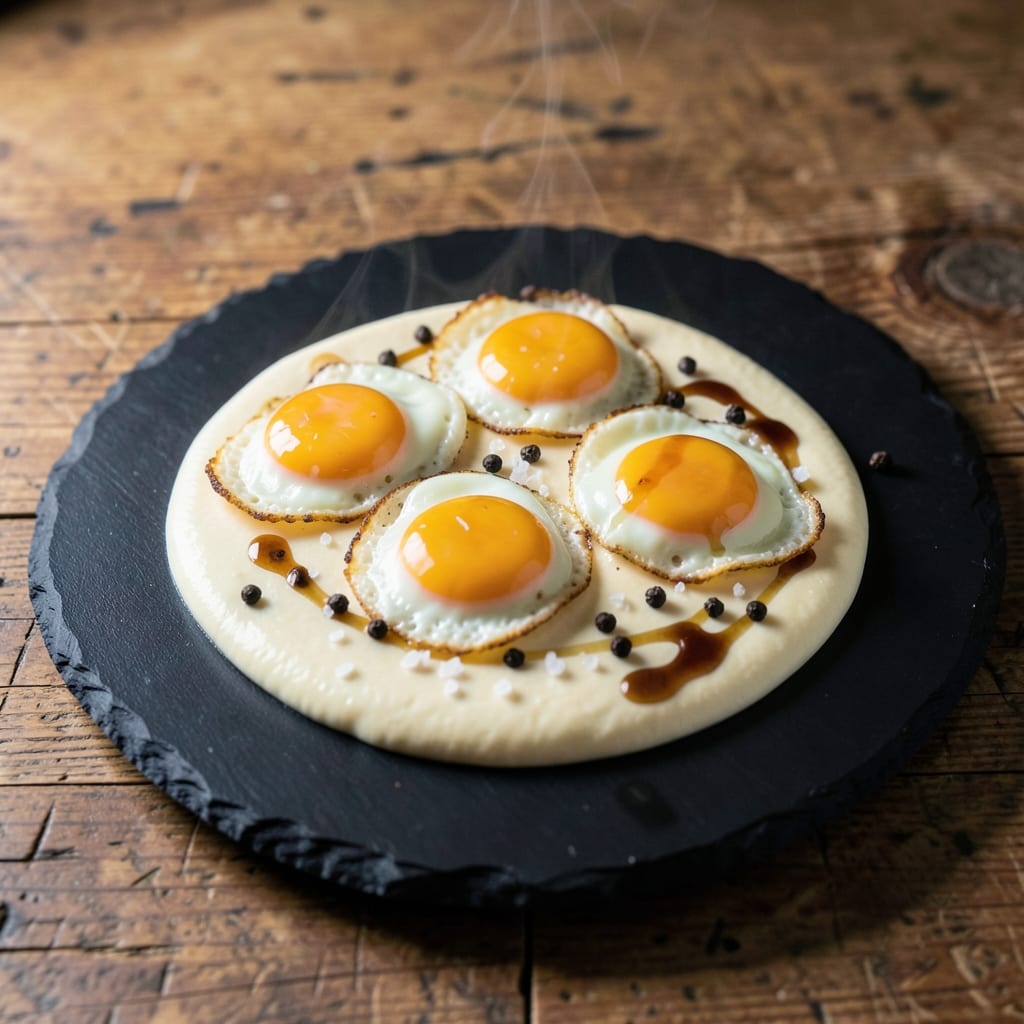
This egg and coconut milk recipe transforms ordinary fried eggs into golden, crispy masterpieces with a delicate coconut-infused richness. The secret lies in simmering the eggs in coconut milk before frying, creating a tender interior and an irresistibly crisp exterior that holds every bite. I perfected this technique after years of experimenting with Southeast Asian-style egg dishes, where coconut milk isn't just an ingredient—it's the star.
The process is simpler than it sounds: first, poach eggs in coconut milk until just set, then pan-fry them in coconut oil until golden brown. The coconut milk infuses the eggs with a subtle sweetness and creamy texture, while the crispy exterior delivers that satisfying crunch. This method elevates breakfast from ordinary to extraordinary, turning a simple egg into a restaurant-worthy dish that pairs beautifully with toasted bread or fresh herbs.
What you'll achieve is a plate of eggs that are crispy on the outside, silky on the inside, and infused with coconut's natural sweetness. The aroma alone will have everyone anticipating the first bite, and the texture—crunchy yet yielding—is impossible to resist. This isn't just breakfast; it's a culinary experience that transforms a humble egg into something truly special.
The beauty of this recipe lies in its versatility. Serve it as a standalone dish for brunch, pair it with a fresh salad for a light lunch, or incorporate it into a larger spread for dinner. The technique works equally well with regular eggs or duck eggs, offering endless possibilities for customization. Let's get started on creating these golden, crispy coconut-fried eggs that will become a new favorite.
Ingredients for egg and coconut milk
Coconut milk and eggs transform into restaurant-quality breakfast with just these twelve ingredients.
| Ingredient | Amount | Notes |
|---|---|---|
| Large Eggs 🥚 | 8 whole | Room temperature for even cooking |
| Full-Fat Coconut Milk 🥥 | 1 cup | Canned, unsweetened preferred |
| Extra-Virgin Coconut Oil 🫒 | ½ cup | For frying, refined works too |
| Diamond Crystal Kosher Salt 🧂 | 1 tsp | Fine grain preferred |
| Freshly Ground Black Pepper 🌶️ | ½ tsp | Freshly cracked for best flavor |
| White Vinegar 🍶 | 1 tbsp | For gentle egg coagulation |
| Fresh Cilantro Leaves 🌿 | ¼ cup | Chopped, for garnish |
| Lime Wedges 🍋 | 2 whole | For serving |
| Sriracha Sauce 🌶️ | 2 tbsp | Optional, for serving |
| Thai Bird's Eye Chilies 🌶️ | 2 whole | Sliced thin, optional heat |
| Crispy Fried Shallots 🧅 | ¼ cup | Store-bought or homemade |
| Toasted Sesame Oil 🫒 | 1 tsp | For finishing |
| All-Purpose Flour 🌾 | 2 tbsp | For dusting work surface |
The coconut milk is non-negotiable here—full-fat canned coconut milk delivers that creamy, rich base that transforms ordinary eggs into something extraordinary. Thai Kitchen or Aroy-D brands are my go-tos for consistent quality, but any unsweetened canned variety works. Look for cans with minimal additives; the thicker the better for that silky texture. Fresh coconut milk is ideal if you can find it, but the canned version is far more accessible and just as effective when properly handled. The eggs should be large, fresh eggs—they hold their shape better during the poaching process, resulting in that perfect crispy exterior.
No full-fat coconut milk? Light coconut milk with an extra tablespoon of coconut cream mimics the richness. Substituting with almond milk or oat milk will dilute the coconut flavor, but it still works in a pinch. The Thai Bird's Eye chilies can be swapped for serrano or jalapeño if you prefer less heat. Fresh cilantro is ideal, but dried cilantro at one-third the amount works if needed—just remember it's more potent. For the crispy shallots, Trader Joe's or Asian markets often carry pre-made options, saving you time. The sesame oil should be toasted, not regular—it adds that nutty depth that elevates the dish.
Store the coconut milk in its original can in the pantry for up to 2 years, but once opened, refrigerate it and use within 5 days. The fried shallots keep for 2 weeks in an airtight container, making them perfect for quick garnishes. These eggs reheat beautifully—simply warm in a dry skillet over medium heat for 1-2 minutes per side. For meal prep, fry the eggs fresh and store them in a single layer on a wire rack to maintain crispiness, then reheat as needed. The lime wedges should be freshly cut just before serving to maximize their zesty punch.
Why You'll Love This Recipe
- Foolproof Technique: That crispy, golden edge on the eggs? It’s all in the coconut oil—no flipping required. I just crack them into simmering coconut milk, let the fat do the work, and walk away while it poaches to perfection.
- Rich, Creamy Magic: Honestly, the coconut milk transforms this into something luxurious. It’s like a custardy hug for your eggs—no heavy cream needed, just that velvety, slightly sweet depth that makes it feel special.
- Breakfast or Dinner: Between us, this works for lazy mornings and unexpected guests. Serve it with toast for a quick bite, or pile it over rice for a hearty supper. The same simple method, two totally different vibes.
- Zero-Waste Leftovers: The poached eggs keep beautifully in the fridge for days, and the coconut milk? I freeze any extras for smoothies or curries later. Minimal ingredients, maximum second-life potential.
Step-by-step instructions for golden crispy coconut-fried eggs
Master this technique for eggs with perfectly crisp exteriors and silky yolks—every bite delivers.
Prepare the Coconut Milk Frying Bath
In a medium saucepan, combine the 1 cup full-fat coconut milk and 0.5 cup extra-virgin coconut oil over medium-low heat. Heat gently until the mixture reaches 300°F—this is your target frying temperature. Use a candy thermometer for precision; the mixture should be hot enough to create bubbles around the edges but not yet smoking.
I've found that maintaining this exact temperature prevents the eggs from cooking too quickly on the outside while keeping the centers perfectly runny. The coconut milk's natural fats create a velvety, flavorful bath that crisps beautifully. Stir occasionally to distribute heat evenly throughout the mixture.
Season and Coat the Eggs
In a small bowl, whisk together the 8 whole large eggs, 1 tbsp white vinegar, 1 tsp diamond crystal kosher salt, and 0.5 tsp freshly ground black pepper. The vinegar acts as a natural coagulant, helping the whites set more gently while maintaining that signature crisp texture. Let the eggs sit for 2 minutes while the frying bath comes to temperature.
Working with one egg at a time, carefully dip each into the seasoned mixture, allowing any excess to drip off. This step ensures even seasoning and prevents the eggs from sticking to the frying surface. I use a fine-mesh strainer to drain excess liquid between eggs—this creates a thin, even coating that crisps perfectly.
Fry to Golden Perfection
Using a slotted spoon, carefully place one coated egg into the 300°F coconut milk mixture. Fry for 1 minute and 30 seconds on the first side until the bottom develops a deep golden brown crust with visible bubbles forming along the edges. Flip gently using the spoon and cook for another 1 minute until the second side reaches the same golden hue.
This precise timing is critical—any longer and the exterior will become too dark while the interior remains undercooked. The coconut milk's lower smoke point compared to traditional frying oils means we must work quickly. Remove each fried egg to a wire rack set over a paper towel-lined plate to drain excess oil.
Assemble with Garnishes
While the eggs rest, dust a clean work surface with 2 tbsp all-purpose flour to prevent sticking. Arrange each egg on the floured surface and immediately garnish with 0.25 cup chopped fresh cilantro leaves, 0.25 cup crispy fried shallots, and a drizzle of 1 tsp toasted sesame oil. The flour creates a temporary barrier that keeps the eggs warm while allowing the garnishes to adhere beautifully.
For serving, place each egg on a plate and accompany with 2 lime wedges and 2 tbsp sriracha sauce on the side. The lime's acidity cuts through the richness of the coconut milk, while the sriracha adds a bright, spicy contrast. If using the optional 2 whole thai bird's eye chilies, slice them thin and arrange around the plate for an extra heat kick.
Pro Tips For Making Egg And Coconut Milk
- Whisk Eggs Cold: Crack eggs straight into the coconut milk—no pre-whisking in a separate bowl. The cold milk tempers the eggs and prevents curdling when you add the hot oil later. I used to whisk first, but this one-step method keeps the texture silky smooth every time.
- Salt the Coconut Oil: Taste that coconut oil before you pour—it’s often saltier than you’d think. Add a pinch of kosher salt (about ¼ teaspoon per 2 tablespoons) to the oil first, then heat it. This balances the dish from the start, so you’re not scrambling with seasoning at the end.
- Don’t Rush the Coconut Milk: Let the full-fat coconut milk sit at room temperature for 10 minutes before using. Cold milk separates when heated, and you’ll end up with a greasy mess instead of a creamy sauce. Trust me, the extra wait makes all the difference.
- Finish with Pepper Last: Add black pepper right at the end, after the eggs have just set. Heat turns pepper bitter, and you’ll end up with a dish that tastes medicinal. A quick grind over the top keeps the flavor bright and clean—no bitterness to ruin the coconut richness.
Common mistakes when making great egg and coconut milk
Overheating the Coconut Milk
Watch that coconut milk like a hawk—once it exceeds 325°F, it starts to burn, creating bitter flavors and a greasy texture. I’ve ruined more batches than I care to admit by letting it get too hot. Use a candy thermometer and keep the heat at medium-low to maintain that perfect 300°F range. The coconut milk should bubble gently but not smoke aggressively. If you see dark spots forming, immediately reduce the heat or remove the pan from the burner. 🔥
Skipping the Vinegar
That 1 tbsp white vinegar isn’t just for flavor—it’s the secret to that signature crispy texture. Without it, the egg whites won’t set properly, leading to rubbery whites instead of a delicate, crisp exterior. I learned this the hard way when I forgot it once and ended up with sad, limp eggs. The vinegar gently coagulates the whites, helping them hold their shape while frying. Don’t substitute with lemon juice; the acidity levels differ, and you won’t get the same result.
Overcrowding the Pan
Frying more than one egg at a time in that coconut milk bath is a recipe for disaster. The temperature drops dramatically when you add multiple eggs, causing uneven cooking and soggy exteriors. Stick to one egg at a time—it might take a little longer, but the results are worth it. I use a slotted spoon to carefully place and remove each egg, ensuring the oil stays at the right temperature. If you’re short on time, work in batches and keep the coconut milk at 300°F between fries.
Using Low-Quality Coconut Milk
Not all coconut milk is created equal. Light or watered-down versions won’t give you that rich, creamy texture you’re after. Always opt for full-fat canned coconut milk, like Thai Kitchen or Aroy-D. These brands have the highest fat content, which is crucial for achieving that golden crust. If you’re using a lighter version, stir in an extra 1 tbsp coconut cream to compensate. The fat content is what creates that velvety bath that crisps so beautifully—don’t skimp on it.
Flipping Too Early
Patience is key when flipping these eggs. If you try to flip them too soon, the bottom won’t be set enough, and the egg will fall apart. Wait until you see a deep golden brown crust with bubbles forming along the edges—usually after 1 minute and 30 seconds. I use a slotted spoon to gently flip them, ensuring the top cooks evenly. Rushing this step is the fastest way to end up with a messy plate of broken yolks. Trust the process, and you’ll get that perfect crispy exterior every time. 💫
Ignoring the Resting Time
Those eggs need time to set after frying. If you serve them immediately, the yolks will be too runny, and the whites might still be slightly undercooked. Let them rest on a wire rack for at least 2 minutes before garnishing and serving. This also helps the exterior firm up slightly, making it easier to handle. I’ve found that resting them on a rack (rather than a plate) prevents steam buildup, which can make the eggs soggy. A quick rest ensures that first bite is as perfect as it can be.
Nutrition facts
Frequently asked questions
Can I use this recipe with duck eggs instead of chicken eggs?
Duck eggs work beautifully in this recipe—they're richer and creamier, which pairs perfectly with the coconut milk. Use the same quantity (8 eggs) since duck eggs are similar in size to large chicken eggs. The yolks will be more vibrant, and the texture remains crispy outside while staying silky inside.
What if I don't have fresh coconut milk? Can I substitute?
Yes, but with adjustments. For canned coconut milk, choose full-fat brands like Thai Kitchen. If using light coconut milk, add 1 extra tablespoon of coconut cream to mimic richness. For a dairy-free alternative, try cashew cream (blend soaked cashews with water), but the coconut flavor will be less pronounced.
How do I store leftovers to keep them crispy?
Store fried eggs in a single layer on a wire rack in the fridge for up to 2 days. Reheat in a dry skillet over medium heat for 1-2 minutes per side—never microwave, as it makes them rubbery. For longer storage, freeze cooked eggs (without garnishes) for up to 1 month, then reheat gently.
Why did my eggs turn out rubbery instead of crispy?
This usually happens from one of three issues: overcrowding the pan (temperature drops), skipping the vinegar (whites don't set properly), or flipping too early (bottom not set). Always fry one egg at a time, use the full 1 tbsp vinegar, and wait for a golden crust with bubbles before flipping.
Can I make this recipe without sesame oil?
Yes, but the flavor will be less complex. Substitute with 1 tsp neutral oil like avocado oil or skip it entirely. For extra depth, try toasted peanut oil (1 tsp) or a sprinkle of toasted sesame seeds instead. The dish will still taste great—just with a slightly different nutty profile.